Ship Agency’s Guide to Understanding and Calculating Laytime and Demurrage in Indonesia
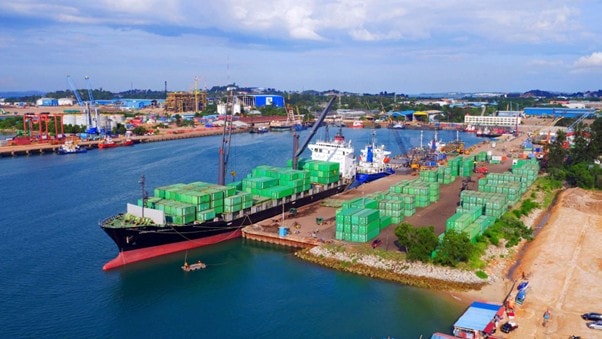
Mastering laytime calculation is essential for every ship agency operating in Indonesian waters, where port delays and contractual disputes can significantly impact vessel profitability. This comprehensive demurrage guide provides vessel…
Ship Agency Support for Remote Underwater Inspections in Indonesia
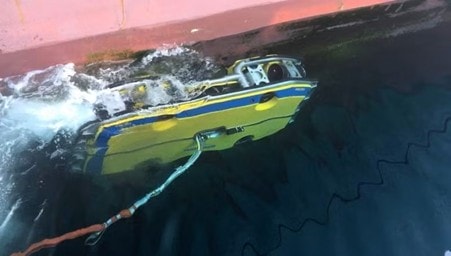
Inspection of underwater structures has evolved beyond traditional diving methods. Remote underwater inspections in Indonesia are increasingly carried out using advanced technologies such as remotely operated vehicles, allowing vessels to…

Husbandry Services for Specialized Cargo Vessels: A Ship Agency’s Expertise
Specialized cargo vessels including project carriers, heavy-lift ships, and chemical tankers require husbandry services that go far beyond standard provisioning. A professional ship agency with expertise in these complex operations…
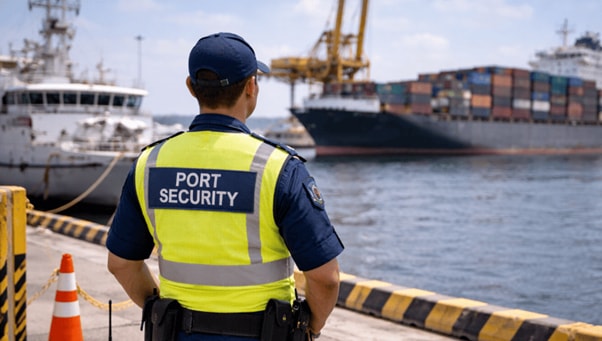
Ship Agency’s Guide to Indonesian Port Security Regulations (ISPS Code)
Professional ship agency providers implement structured protocols to ensure seamless port security compliance with the isps code across indonesian ports. Pre-arrival procedures include verifying that the target facility holds a…
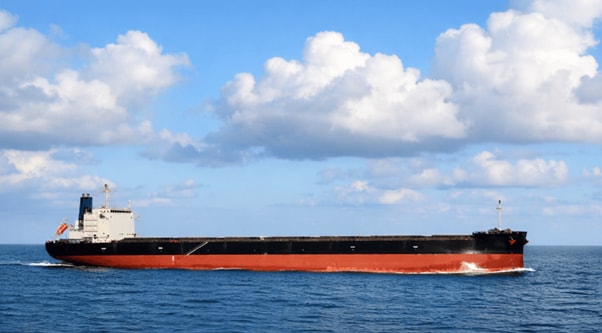
Case Study: Managing a Complex Ship Spare Parts Delivery During Port Congestion
Port congestion does not only affect vessel movement. It directly impacts supporting operations, especially when time-sensitive spare parts are involved. In such situations, delivery arrangements must be adjusted quickly to…
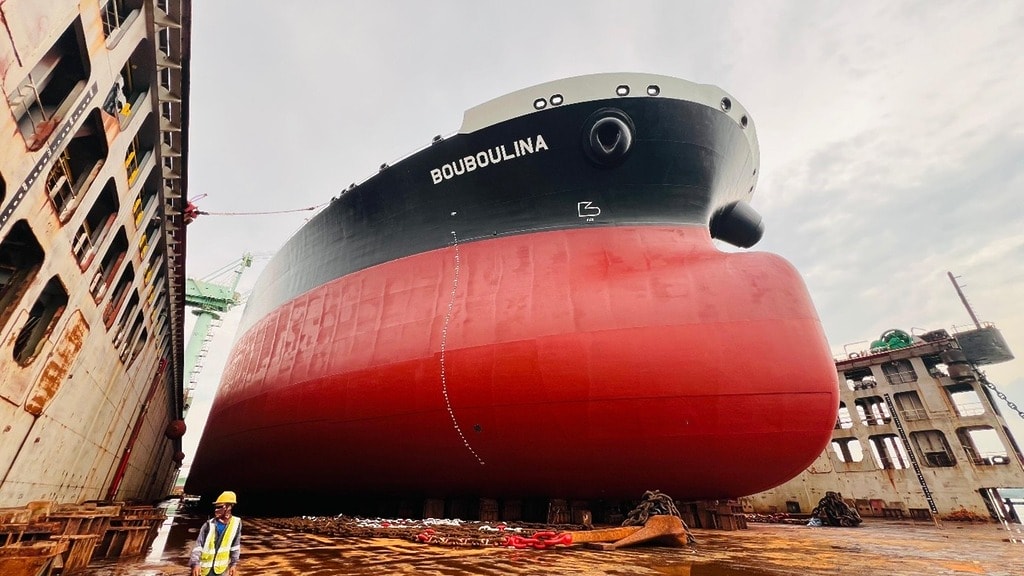
A Ship Agency’s Role in Facilitating Emergency Dry Docking in Indonesia
Navigating the bureaucratic waters of Indonesia is often as complex as the physical repairs themselves. A ship agency manages the heavy lifting of paperwork, from customs clearances for imported spare…
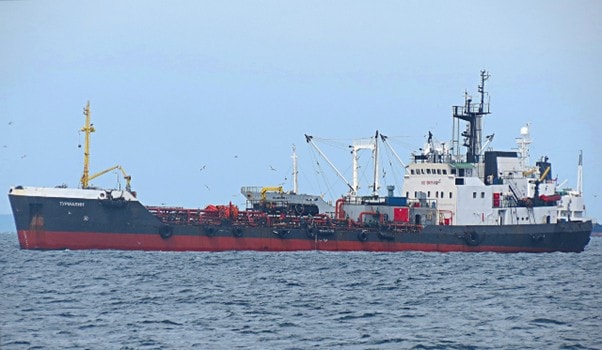
Understanding Dahsuskim and Dahsuslo Regulations in Indonesian Ports
The dahsuskim regulation focuses primarily on the oversight of Special Immigration Border Posts. Within the busy hubs of indonesian ports, this regulation dictates how immigration officers monitor the entry and…

Sustainable Ship Husbandry Practices: Balancing Efficiency and Environmental Responsibility in Indonesia
Adopting sustainable shipping practices through effective ship husbandry is essential for advancing the green maritime agenda across Indonesia’s archipelago. This case study explores how vessel operators and support services are…
A Ship Agency’s Role in Ensuring Vessel Security in Indonesian Waters
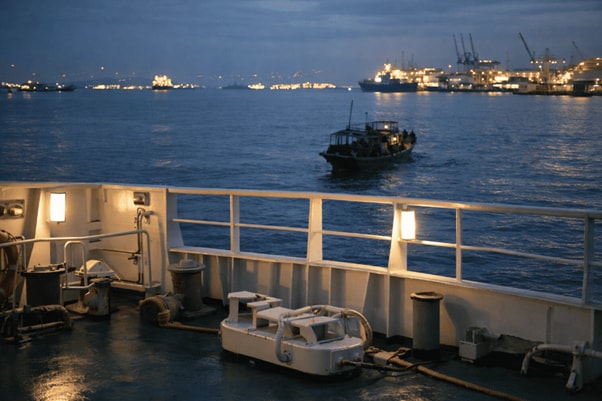
Ensuring robust vessel security is a top priority for every professional ship agency operating in indonesian waters, where maritime safety challenges intersect with complex regulatory requirements. This comprehensive guide examines…
Ship Agency’s Guide to Port State Control (PSC) Inspections in Indonesia: Preparation and Compliance
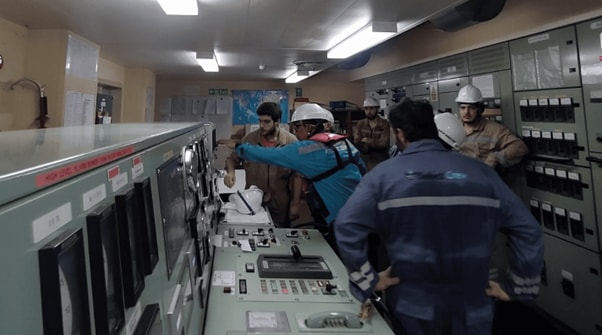
With high vessel traffic across the country, Port State Control (PSC) inspections are actively carried out to ensure that ships comply with international safety, environmental, and crew welfare standards. Proper…
Husbandry Services for Livestock Carriers: Specific Considerations in Indonesian Ports
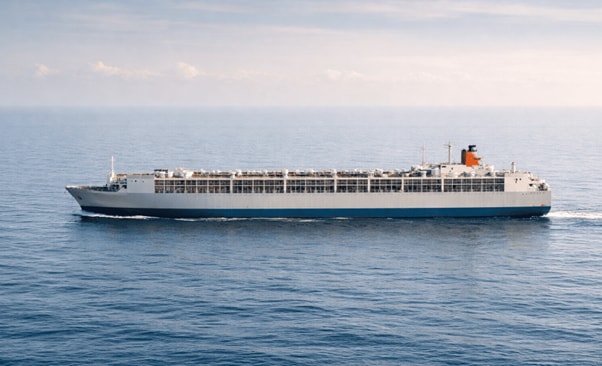
Livestock carriers bring a different operational dynamic. Unlike conventional cargo, live animals require continuous care, controlled conditions, and strict regulatory compliance throughout the port stay. These unique husbandry requirements must…

The Impact of Tides and Currents on Ship Agency Operations in Indonesian Waters
Understanding tidal impact is essential for every ship agency operating in indonesian waters, where complex maritime conditions directly influence vessel scheduling and port operations. This comprehensive guide explores how tidal…