
The Impact of Tides and Currents on Ship Agency Operations in Indonesian Waters
Understanding tidal impact is essential for every ship agency operating in indonesian waters, where complex maritime conditions directly influence vessel scheduling and port operations. This comprehensive guide explores how tidal patterns and ocean currents affect agency services, from berth allocation to cargo handling timelines. By mastering these environmental factors, ship agency professionals can optimize operations and minimize costly delays across indonesian waters.
Part of Vessel Control
In certain parts of Indonesia, currents can be strong and unpredictable, especially around straits, narrow channels, or shallow areas. What this means in practice is simple. The vessel may not always move the way you expect.
A cross current can slowly push the vessel off track during approach. A following current can increase speed over ground, making it harder to slow down safely. At the same time, reduced water depth during low tide can make the vessel feel heavier and less responsive.
This is why local conditions are always part of the planning. It is not only about navigation, but about understanding how the vessel will behave in real conditions.
Berthing and Unberthing
When tides and currents are involved, berthing is no longer just about lining up with the jetty. Timing becomes critical.
Approaching against the current often gives better control, while coming in with current from astern can make the vessel more difficult to handle. Even small miscalculations can lead to additional maneuvering, longer berthing time, or unnecessary stress on the vessel and berth.
Ship agencies coordinate with pilots and port authorities to ensure that movements are planned at the right time, not just the earliest available slot. This helps create a more controlled approach and reduces the risk of delays during maneuvering.
For your vessel, getting the timing right here can make the entire port call smoother.
Ship agencies coordinate with pilots and port authorities to ensure that movements are planned at the right time, not just the earliest available slot. This helps create a more controlled approach and reduces the risk of delays during maneuvering. It is important to note that these tidal calculations are often complicated by external factors like high winds or monsoons. Understanding the broader impact of weather conditions on ship agency operations is essential, as atmospheric changes can shift arrival windows even when tidal conditions are favorable.
STS Operations
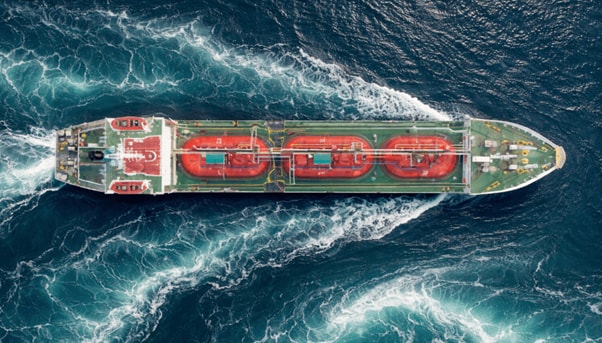
If berthing is sensitive, STS operations are even more exposed to tidal and current conditions.
When two vessels are positioned side by side, water movement creates forces that are not always obvious but can be quite strong. The vessels may slowly drift closer together or move apart, putting pressure on fenders, mooring lines, and cargo hoses.
This is where coordination becomes very important. Timing, positioning, and support arrangements all need to be aligned carefully. Ship agencies work closely with STS service providers to ensure that operations are carried out under conditions that are manageable, not just possible.
For your vessel, this reduces the risk of equipment damage and helps maintain stable cargo transfer.
Timing Is Everything
One of the most practical ways to deal with the impact of tides and currents is simple: choose the right time.
Operations are often planned around tidal conditions. Higher water levels provide better clearance, while periods of reduced current allow more controlled maneuvering. This is not about delaying operations, but about executing them more efficiently.
Ship agencies coordinate this timing with pilots and port authorities, ensuring that vessel movements are aligned with actual conditions on the ground.
In many cases, proper timing can save more time than rushing into an unfavorable condition.
Additional Support Makes a Real Difference
In stronger current areas, vessel control often requires more than just engine and rudder response. Tug assistance becomes essential, especially when managing sideways movement or holding position.
Ship agencies arrange tug support based on local conditions rather than standard requirements. This ensures that the vessel has enough control during critical stages such as berthing, unberthing, or holding position during operations.
For your vessel, having the right level of support in place reduces uncertainty and allows operations to proceed more confidently.
Local Knowledge Is What Ties Everything Together
Tidal data and charts provide a general picture, but real conditions are often influenced by local factors such as seabed shape, nearby structures, and traffic patterns.
This is where local knowledge becomes important. Ship agencies rely on experience and coordination with local pilots to understand how currents behave in specific areas, not just in theory but in practice.
That insight is then used to plan vessel movements more realistically, reducing the need for last-minute corrections.
Keeping Operations Controlled and Predictable
The impact of tides and currents is always present, but it does not have to become a problem. With the right coordination, timing, and local understanding, these conditions can be managed effectively.
Ship agency operations are structured to align vessel movements with actual conditions, ensuring that berthing, STS operations, and departures can be carried out safely and efficiently.
For ship owners, this means operations remain controlled and predictable, even in environments where natural conditions are constantly changing.
BALANCIA SHIP AGENCY
HQ Address : Komplex Ruko Golden City Block C No.3A, Batam City, Indonesia 29432
www.balancia.co.id
Mobile Ph. : +628112929654
Office Ph. : +627784883769
References:
- Effects of Current and Tidal Stream. (n.d.). Retrieved from Shiphandling for Professionals: https://www.shiphandlingpro.com/effect-of-current-tidal-stream#:~:text=Berthing/unberthing%20in%20tidal%20current,turn%20as%20quickly%20as%20possible.
- Fan, F., Guo, R., Wang, D. (2025). Research on the Berthing and Unberthing Time Windows for 100000-ton Container Ships at the Luojing Container Terminal. American Journal of Traffic and Transportation Engineering, 10(1), 22-32. https://doi.org/10.11648/j.ajtte.20251001.13