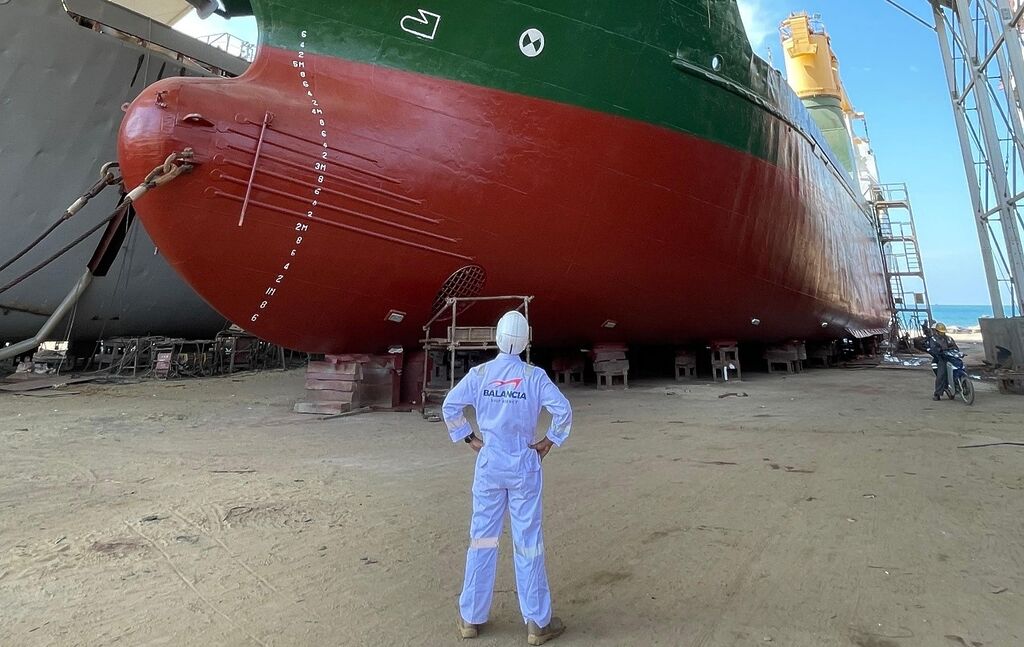
Dry Docking: Ship Hull Painting and Surface Preparation
Ship hull painting is a critical aspect of dry docking, ensuring the vessel’s protection and performance. This meticulous process involves thorough preparation and precise application of specialized coatings to shield…
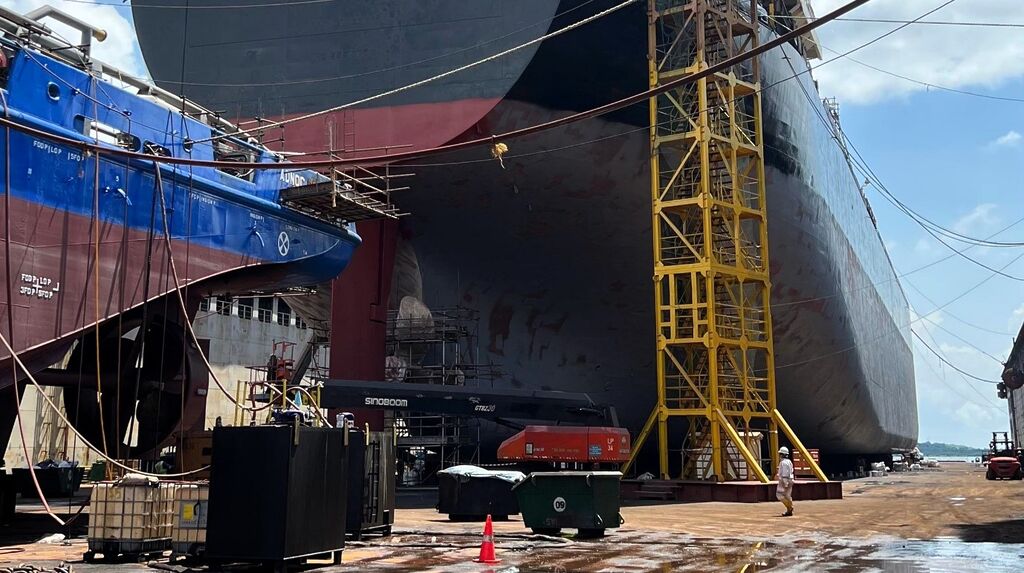
Dry Dock Safety Impact on Vessel Longevity
Dry dock safety impact is a critical aspect of the ship maintenance process, playing a key role in preserving the vessel’s condition and operational longevity. The safety protocols observed during…
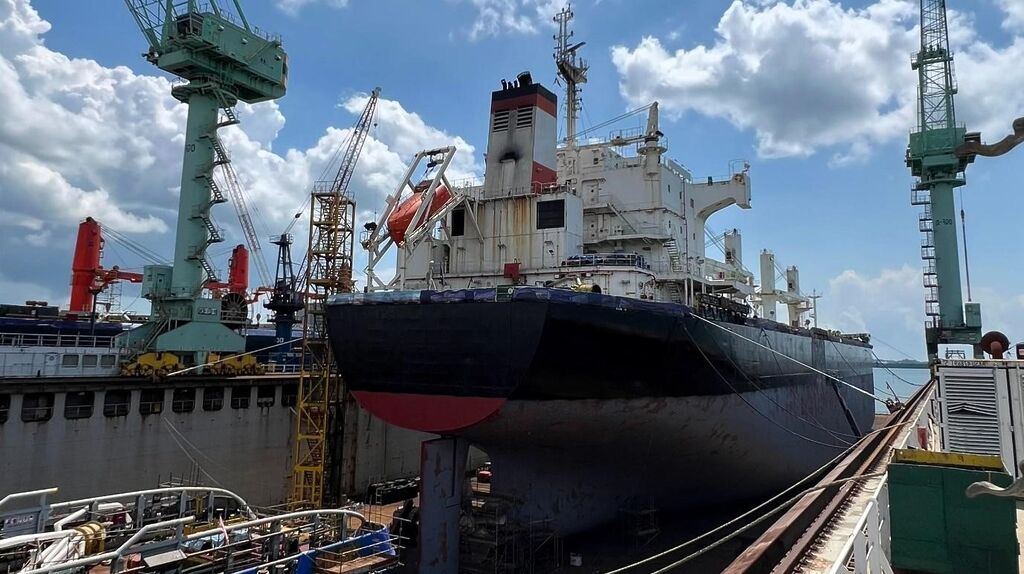
Dry Docking vs Routine Maintenance: What’s the Difference?
Dry docking vs routine maintenance are two essential aspects of ship maintenance that play a vital role in ensuring the upkeep of ships and boats. While both are crucial, they…
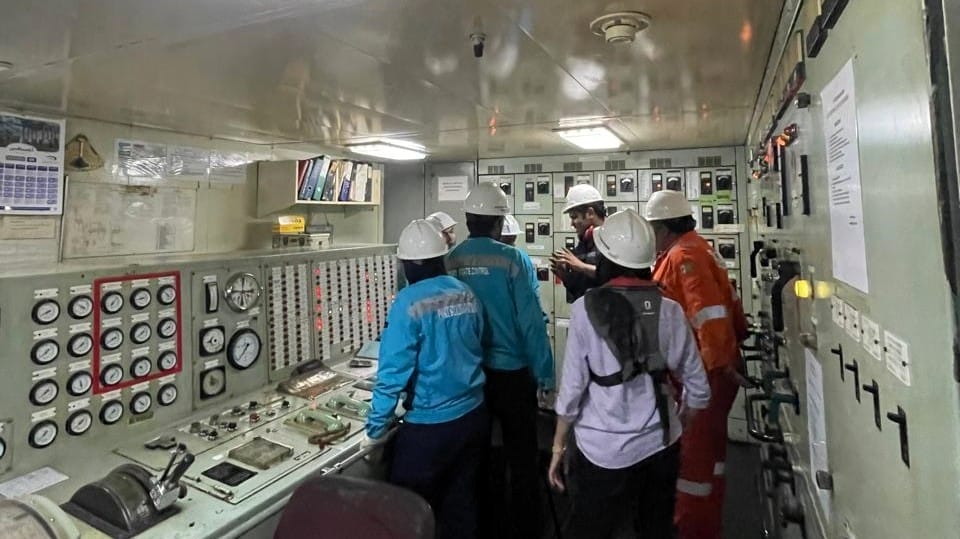
Common Deficiencies Found During PSC Inspections and How to Avoid Them
Port State Control or PSC inspections are a critical part of maintaining maritime safety and ensuring that vessels comply with international regulations. These inspections are conducted by port authorities to…
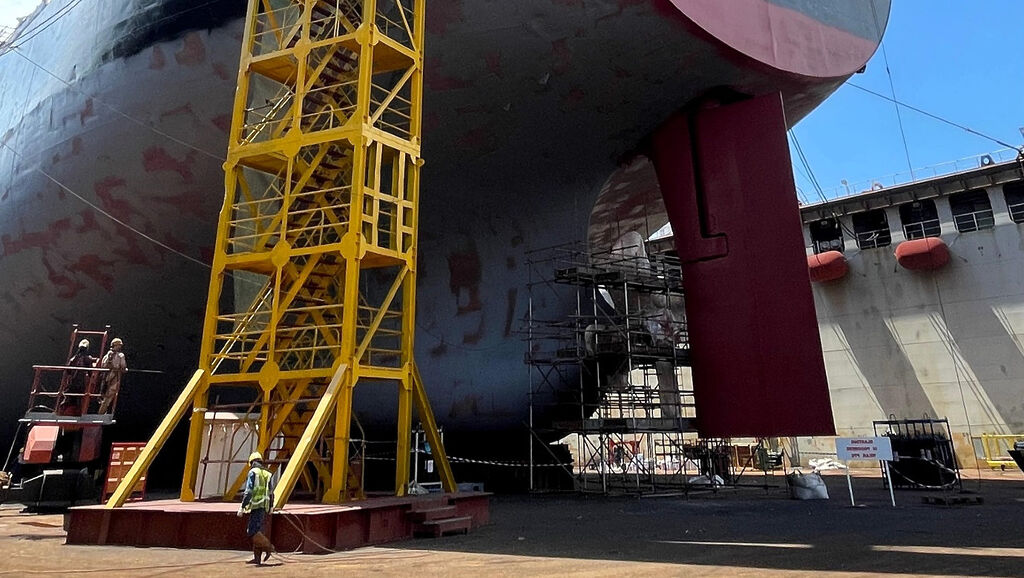
A Comprehensive Overview of the Dry-Dock Inspection Process
Dry-dock inspection are essential for maintaining a ship’s safety and operational efficiency. These inspections occur when a vessel is removed from the water and placed in a dry dock, allowing…
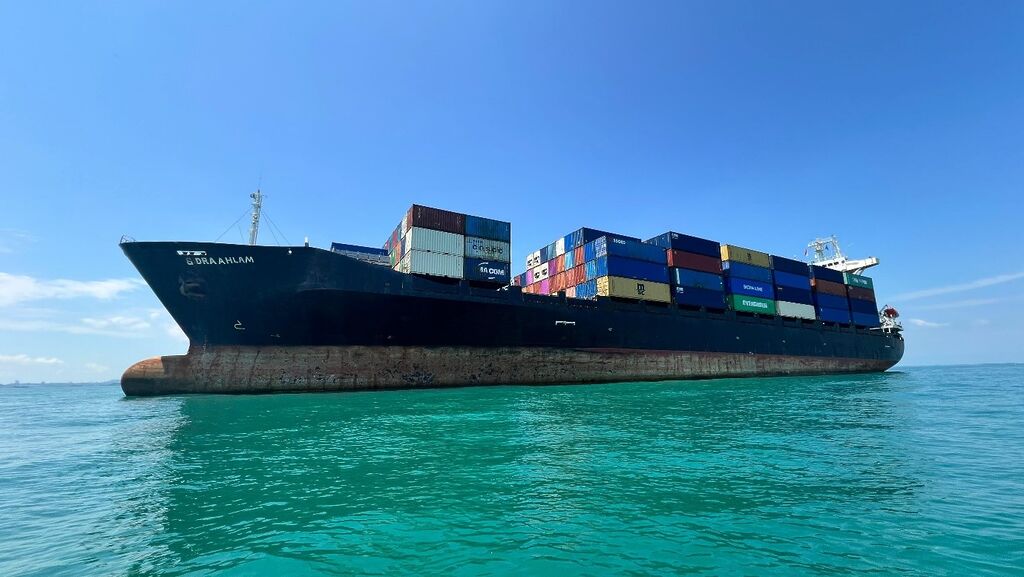
Why Certification and Compliance Matter in Underwater Hull Cleaning
Selecting the right underwater hull cleaning service is crucial for maintaining your vessel’s performance and fuel efficiency. The vessel’s hull is constantly exposed to marine growth and contaminants as it…
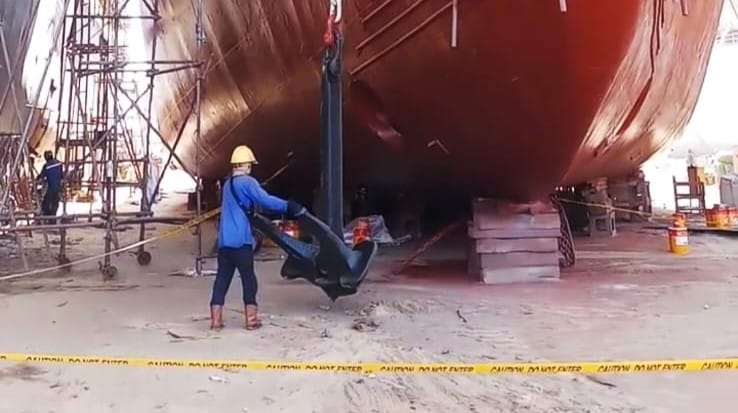
7 Common Dry Dock Accidents and How to Prevent Them
Dry dock accidents can pose significant risks during ship maintenance operations. Understanding the potential for dry docking accidents and taking proactive measures is essential to prevent these incidents and ensure…
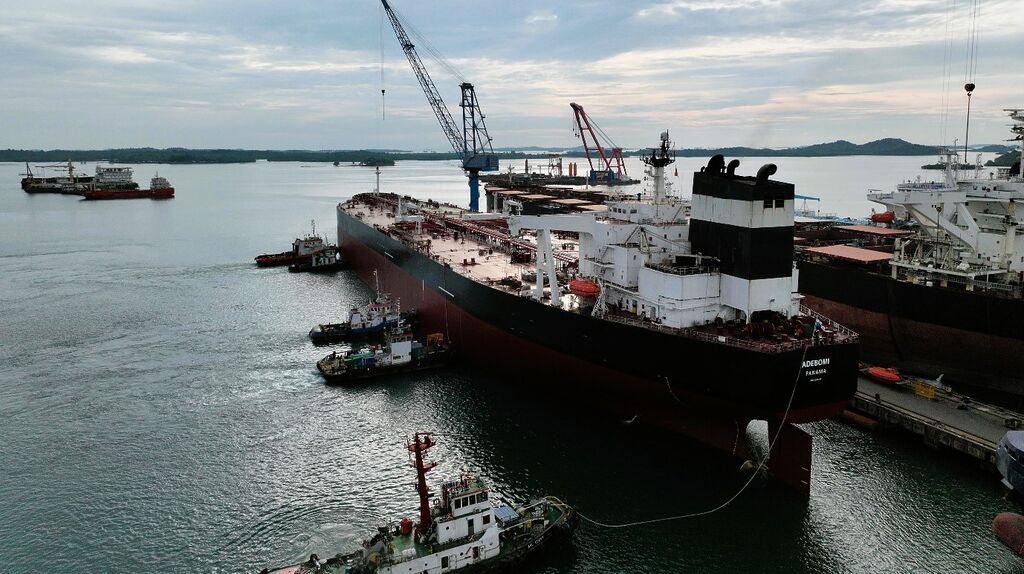
Optimizing Port Operations for Efficient Crew Changes
Efficient crew changes are crucial in maritime operations, ensuring seamless transitions for seafarers to continue voyages without interruption. Managing these operations within the port is essential for optimizing port operations,…
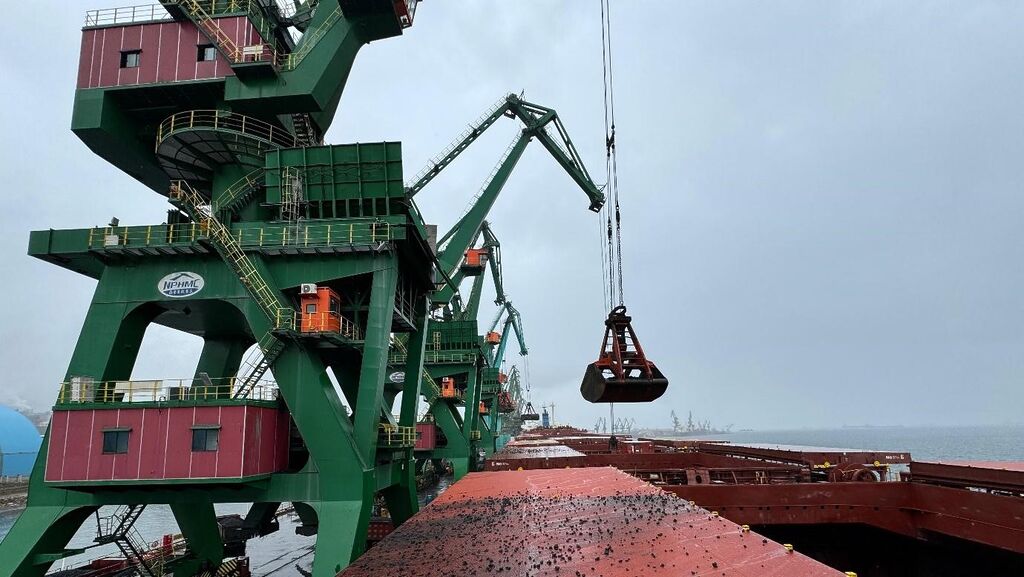
Cargo Operations Flexibility During Inclement Weather
Cargo operations flexibility is essential for ship agencies to navigate weather-related challenges in the maritime industry. Adverse weather conditions can lead to disruptions, delays, and safety concerns, underscoring the importance…
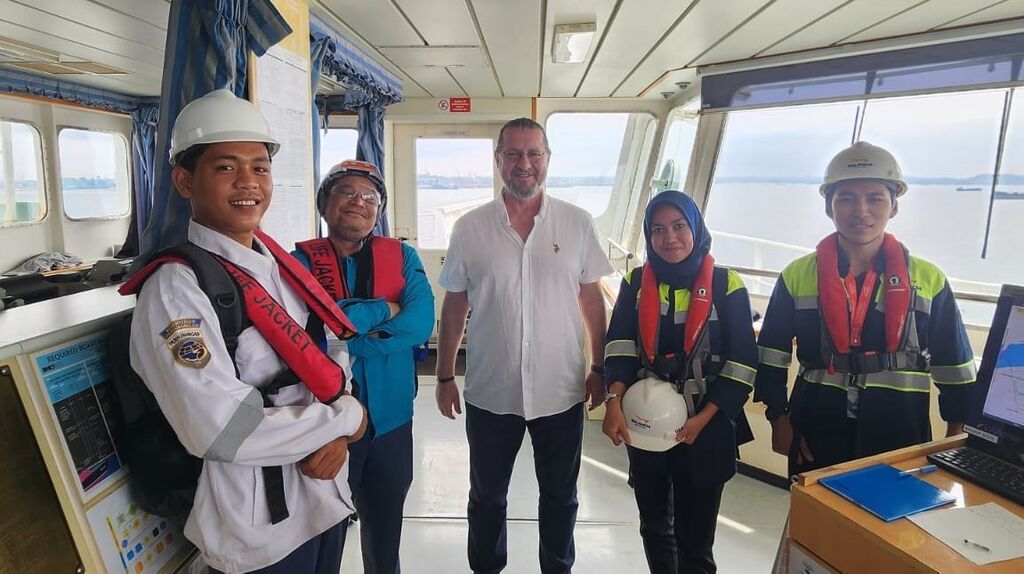
Ship Agencies Strategies to Connect with Clients and Stakeholders
Ship agencies strategies play a pivotal role in fostering strong relationships within the maritime industry. As essential bridges connecting shipowners, operators, and various stakeholders, ship agencies employ diverse strategies to…
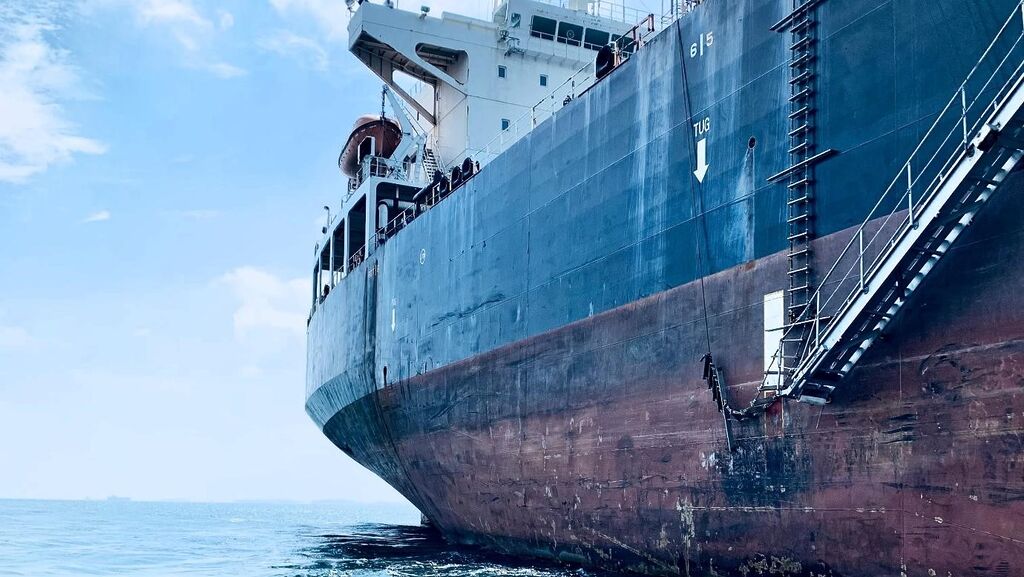
How Incorrect Hull Cleaning Practices Can Affect Your Ship
Incorrect hull cleaning practices can have adverse effects on your ship’s performance and longevity. Proper hull maintenance is essential for efficient operations, fuel savings, and preserving the vessel’s overall condition…
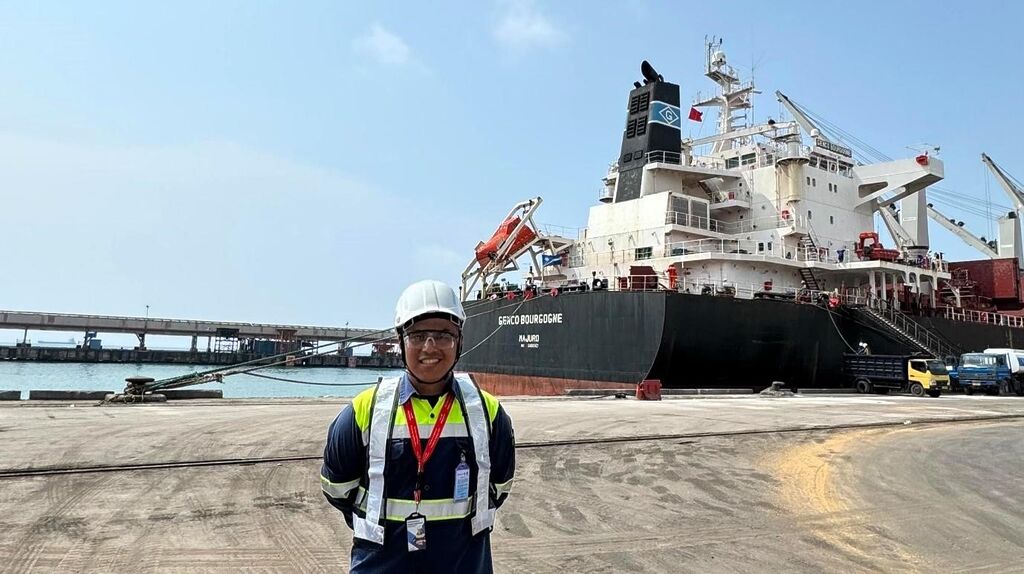
Cold Lay-Up: A Smart Strategy for Long-Term Vessel Downtime
Following the discussion on hot lay-up, we now turn our attention to cold lay-up, another strategy for managing inactive vessels. Cold lay-up is an ideal solution for ships that are…