Eco Friendly Underwater Cleaning Innovations: Balancing Efficiency and Environmental Care
The global maritime sector is increasingly focused on sustainability as it seeks to reduce its environmental footprint while maintaining operational efficiency. Within this effort, eco friendly underwater cleaning innovations have emerged as essential solutions. By ensuring cleaner hulls through environmentally responsible methods, vessels are able to achieve enhanced performance while safeguarding marine ecosystems. The integration of underwater cleaning and eco cleaning practices reflects a growing recognition that ecological protection and economic efficiency must progress in parallel.
The Growing Importance of Eco Cleaning in Global Shipping
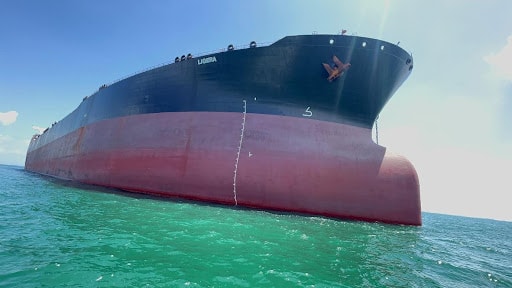
A ship’s hull is central to its operational efficiency. As vessels move through diverse waters, they accumulate layers of marine organisms such as algae and barnacles, a process referred to as biofouling. This growth increases drag, slows vessel movement, and significantly raises fuel consumption. Without proactive hull maintenance, these effects translate into elevated greenhouse gas emissions and reduced competitiveness in global shipping.
Eco cleaning practices have therefore become indispensable. They mitigate biofouling while supporting compliance with international regulations. Beyond efficiency, they address critical ecological concerns. Biofouling has been linked to the spread of invasive species, which threaten marine biodiversity by altering local ecosystems. The adoption of underwater cleaning ensures not only smoother operations but also responsible participation in the protection of global marine environments.
Fuel Efficiency and Emission Reduction Through Underwater Cleaning
Fuel accounts for a substantial share of maritime operating costs, often exceeding half of overall expenditures. A fouled hull places considerable strain on engines, increasing fuel demand. Research indicates that biofouling may elevate fuel consumption by as much as 40 percent in extreme cases. By contrast, a clean hull can achieve fuel savings of 10 to 20 percent, generating substantial reductions in operating expenses for shipping companies.
The environmental benefits are equally compelling. Underwater cleaning reduces emissions of carbon dioxide, sulfur oxides, and nitrogen oxides, which are principal contributors to global warming and air pollution. These outcomes reinforce international decarbonization efforts and underscore the significance of eco cleaning in advancing sustainability within the shipping sector. Thus, hull maintenance must be regarded not merely as a technical procedure but as a cornerstone of environmentally responsible maritime operations.
Eco Friendly Innovations in Hull Maintenance
The development of new technologies has reshaped hull cleaning practices, replacing traditional methods with more efficient and sustainable approaches. Diver-assisted cleaning remains in use, yet it is increasingly supplemented by automated systems that enhance safety and environmental protection.
Robotic hull cleaners represent one of the most significant innovations. These systems, equipped with specialized brushes and high-pressure water jets, remove marine growth while minimizing coating damage and preventing waste from dispersing into the sea. Case studies confirm that robotic technologies reduce hull cleaning costs and vessel downtime, offering both economic and ecological advantages.
Ultrasonic cleaning systems are also gaining recognition. By emitting microscopic sound waves, they discourage marine growth without physical contact or harmful chemicals. This innovation has proven effective in regions where vessels remain idle for long periods and biofouling risks are heightened.
Equally important are foul-release coatings, which create smooth hull surfaces that limit marine adhesion. Unlike biocidal coatings, which release harmful chemicals, these coatings are environmentally safe, reduce drag, and extend intervals between cleanings. Collectively, these innovations demonstrate the growing capacity of eco friendly underwater cleaning innovations to balance environmental stewardship with maritime efficiency.
Environmental Protection and Compliance Benefits
Beyond efficiency, eco cleaning contributes to the protection of fragile marine ecosystems. Biofouling removal reduces the risk of species transfer between regions, limiting ecological disruption. International regulators have emphasized the importance of addressing this issue, and many ports now inspect vessels to verify compliance with established biofouling management standards.
A strong regulatory framework supports these practices. The International Maritime Organization’s Biofouling Guidelines, the Anti-Fouling Systems (AFS) Convention, and Ship Energy Efficiency Management Plans (SEEMP) all encourage sustainable hull maintenance. Adherence to these frameworks enables vessels to operate without disruption across international ports, while also enhancing their reputation as environmentally responsible operators. Compliance is not only a legal necessity but also a strategic advantage in a market that increasingly values sustainability.
Economic and Operational Advantages of Eco Cleaning
The economic case for eco cleaning is compelling. Fuel savings alone translate into significant financial benefits for shipowners and operators. For large fleets, these savings may reach millions of dollars annually. Reduced dry-docking frequency and lower maintenance costs further strengthen the financial rationale for proactive cleaning strategies.
Operational reliability is also enhanced. Ships with clean hulls maintain consistent performance, improve voyage predictability, and minimize delays. Such efficiency is fundamental in the highly competitive maritime sector, where scheduling precision directly influences profitability.
Additionally, vessels with well-documented maintenance histories are considered lower-risk by insurers, potentially resulting in reduced premiums. Ports that reward environmentally responsible ships with lower fees and priority berthing further highlight the advantages of eco cleaning. Together, these factors demonstrate that eco friendly underwater cleaning innovations provide a comprehensive solution that enhances financial performance while promoting sustainability.
Conclusion
The integration of eco friendly underwater cleaning innovations into global shipping practices is redefining vessel maintenance. Through the adoption of underwater cleaning and eco cleaning, ship operators are simultaneously achieving efficiency, compliance, and environmental responsibility. Clean hulls deliver measurable reductions in fuel consumption, emissions, and operating costs, while also protecting marine biodiversity.
As international regulations strengthen and environmental expectations increase, the commitment to sustainable hull maintenance becomes not only prudent but essential. Eco cleaning is no longer a peripheral practice but a central component of modern maritime operations. Its benefits extend across economic, operational, and ecological dimensions, ensuring that the shipping industry advances toward a future in which efficiency and environmental care are inseparable.
BALANCIA SHIP AGENCY
HQ Address : Komplex Ruko Golden City Block C No.3A, Batam City, Indonesia 29432
www.balancia.co.id
Mobile Ph. : +628112929654
Office Ph. : +627784883769
References:
- Ship Hull Maintenance and Cleaning: Cutting Costs and Emissions. (n.d.). Retrieved from Maritime Education: https://maritimeducation.com/ship-hull-maintenance-and-cleaning-cutting-costs-and-emissions/
- Vessel Maintenance and Management – Keeping Hulls Clean. (2024, October 31). Retrieved from Sea News: https://seasnews.net/vessel-maintenance-and-management-keeping-hulls-clean/