Underwater Cleaning for Holiday Vessel Readiness
Prioritizing underwater cleaning is a decisive step for vessel operators who aim to ensure operational certainty during peak holiday periods. Rather than reacting to performance dips, forward-thinking managers use this technique to optimize hull integrity and fuel efficiency without disrupting active trading schedules. By addressing biofouling through scheduled cleaning, organizations can maintain professional standards and reliability when global supply chains are at their busiest.
Executive Oversight During High Activity Periods
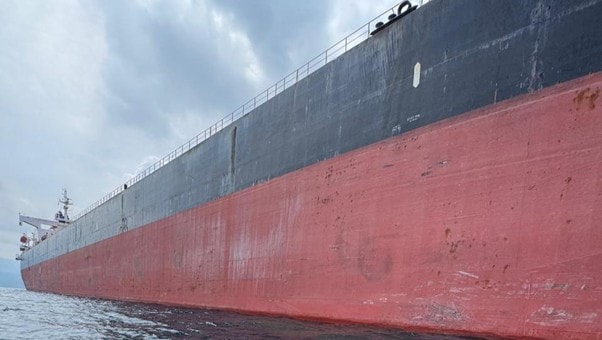
Periods of elevated vessel movement compress decision making timelines. Berthing windows narrow, service availability fluctuates, and deviations quickly affect downstream schedules. Hull condition, though less visible than deck readiness or documentation, has a direct influence on a vessel’s ability to perform within these constraints. Marine growth accumulates continuously, particularly in warm waters, increasing resistance and eroding performance margins.
Hull maintenance conducted underwater allows leadership teams to address this exposure without removing vessels from commercial operations. This approach reflects disciplined oversight focused on continuity, asset protection, and delivery certainty. During intensive trading phases, such foresight differentiates prepared operators from those exposed to avoidable inefficiencies.
Hull Performance as a Measure of Operational Control
A vessel entering a peak cycle with an unclean hull carries latent operational risk. Increased resistance elevates engine load, raises fuel consumption, and reduces maneuvering responsiveness. These effects become more pronounced in congested ports where precision and predictability are essential.
Underwater cleaning restores the submerged hull closer to its intended hydrodynamic condition. Targeted attention to propellers, rudders, and sea inlets improves flow characteristics and handling response. These improvements support steady sailing and controlled port movements, reinforcing an operator’s ability to meet commitments with confidence.
Underwater Cleaning Within a Structured Hull Maintenance Strategy
Dry docking remains indispensable for structural surveys and major interventions, yet it rarely aligns with intensive trading cycles. Underwater cleaning serves as a complementary measure that addresses performance fundamentals while preserving schedule integrity. Conducted by certified teams using approved techniques, the process removes biofouling without interrupting commercial activity.
Hull maintenance through underwater methods follows defined technical standards and environmental controls. Cleaning systems are selected according to coating condition and fouling intensity, ensuring effectiveness without compromising protective layers. This disciplined approach allows performance risks to be managed proactively when operational flexibility is limited.
Regulatory Awareness in Indonesian Waters
Within Indonesia, underwater cleaning is governed by port authority regulations and environmental considerations. Certain ports and anchorages do not permit such activities, requiring careful planning and informed coordination before any operation is arranged.
For operators requiring underwater cleaning in Indonesia, reliance on experienced local expertise is essential. Balancia Ship Agency provides coordination support across approved locations, ensuring that hull maintenance is arranged in compliance with prevailing requirements. Through established networks and procedural understanding, underwater cleaning can be facilitated responsibly where permitted, without exposing vessels or owners to regulatory uncertainty.
Technical Discipline and Environmental Responsibility
Modern underwater cleaning reflects a strong emphasis on technical precision and environmental accountability. Methodologies are selected to suit specific hull coatings and growth conditions, preserving coating integrity while removing marine organisms. Controlled equipment and waste management practices support compliance with environmental expectations in regulated waters.
Hull maintenance performed underwater also contributes to long term asset protection. Early intervention prevents deeper fouling attachment that would otherwise require more aggressive treatment later. This preventive philosophy aligns with executive objectives focused on lifecycle cost control and consistent vessel performance.
Operational Benefits Beyond Fuel Efficiency
Fuel efficiency remains a measurable outcome of underwater cleaning, yet broader operational benefits warrant equal attention. Improved maneuverability enhances safety during congested port calls. Cleaner sea chests support stable cooling performance, particularly during warmer conditions when auxiliary systems operate under increased load.
Reliability also carries strategic importance. Charterers and commercial partners place confidence in operators who demonstrate preparation rather than explanation. Hull maintenance completed ahead of demanding trading periods signals professionalism and operational maturity, reinforcing trust across commercial relationships.
Integrating Underwater Cleaning Into Forward Planning
Effective vessel readiness depends on structured planning and early engagement. Underwater cleaning should be considered alongside voyage scheduling, port availability, and service windows. Coordination with experienced agents ensures that approvals, safety measures, and technical requirements are addressed efficiently.
In the Indonesian context, this planning discipline becomes especially important due to regulatory variation between locations. With informed coordination, underwater cleaning can be aligned with trading routes and operational windows while maintaining compliance and performance objectives.
Leadership Perspective on Sustained Hull Care
Vessel readiness reflects leadership priorities as much as operational detail. Underwater cleaning, when embedded within a disciplined hull maintenance framework, demonstrates commitment to performance consistency, regulatory respect, and asset stewardship. It represents a deliberate decision to protect operational certainty during periods of heightened demand.
As global shipping continues to operate under increasing commercial and environmental scrutiny, underwater cleaning remains a practical instrument of preparedness. When properly coordinated within Indonesia and supported by experienced partners such as Balancia, it becomes a controlled and effective measure rather than a reactive necessity. For organizations focused on dependable performance, attention to hull condition beneath the waterline delivers confidence that endures well beyond any single trading cycle.
BALANCIA SHIP AGENCY
HQ Address : Komplex Ruko Golden City Block C No.3A, Batam City, Indonesia 29432
www.balancia.co.id
Mobile Ph. : +628112929654
Office Ph. : +627784883769
References:
- Hull cleaning can improve ships’ energy efficiency. (2018, March 26). Retrieved from Safety4Sea: https://safety4sea.com/hull-cleaning-can-improve-ships-energy-efficiency/
- The effect of a hull cleaning – and how to measure it. (n.d.). Retrieved from We4Sea: https://www.we4sea.com/blog/the-effect-of-a-hull-cleaning-and-how-to-measure-it