
Dry Docking Preparation for Early-Year Vessel Upgrades
Early-year scheduling provides a strategic opportunity for vessels to undergo structured dry docking that supports technical upgrades, regulatory alignment, and long-term operational performance. Following year-end trading cycles and budget reviews, the first quarter allows maintenance activities to be planned with greater clarity and commercial awareness. When preparation is handled methodically, dry docking becomes a controlled improvement phase rather than a corrective exercise. Through experienced coordination and maintenance planning, early-year dockings contribute directly to vessel reliability and efficiency throughout the year.
Planning Dry Docking as a Strategic Maintenance Window
Preparation for dry docking begins well before a vessel enters the dock. Technical evaluations are typically conducted to identify hull condition, coating integrity, machinery servicing requirements, and class survey obligations. Early-year preparation enables these assessments to be completed without operational pressure, allowing maintenance priorities to be established objectively.
Dry dock maintenance for Ports requires coordination between shipyards, port authorities, class societies, and service providers. Clear preparation ensures that work scopes remain realistic, resources are secured in advance, and compliance requirements are addressed systematically. With experienced port agency support, docking execution remains predictable and well governed.
Early-Year Timing and Its Operational Advantages
Scheduling dry docking during the early months of the year offers practical operational benefits. Trading activity is often more flexible, allowing vessels to be withdrawn from service with minimal commercial disruption. Seasonal conditions in many regions also support stable working environments, contributing to consistent progress during hull and machinery works.
Early-year dockings allow maintenance teams to prioritize performance-related upgrades such as hull coating renewal, propulsion system inspection, and energy-efficiency improvements. These measures directly support fuel optimization and emissions management while preparing vessels for upcoming regulatory expectations. Dry docking during this period supports proactive performance management rather than reactive intervention.
Maintenance Scope Development and Cost Discipline
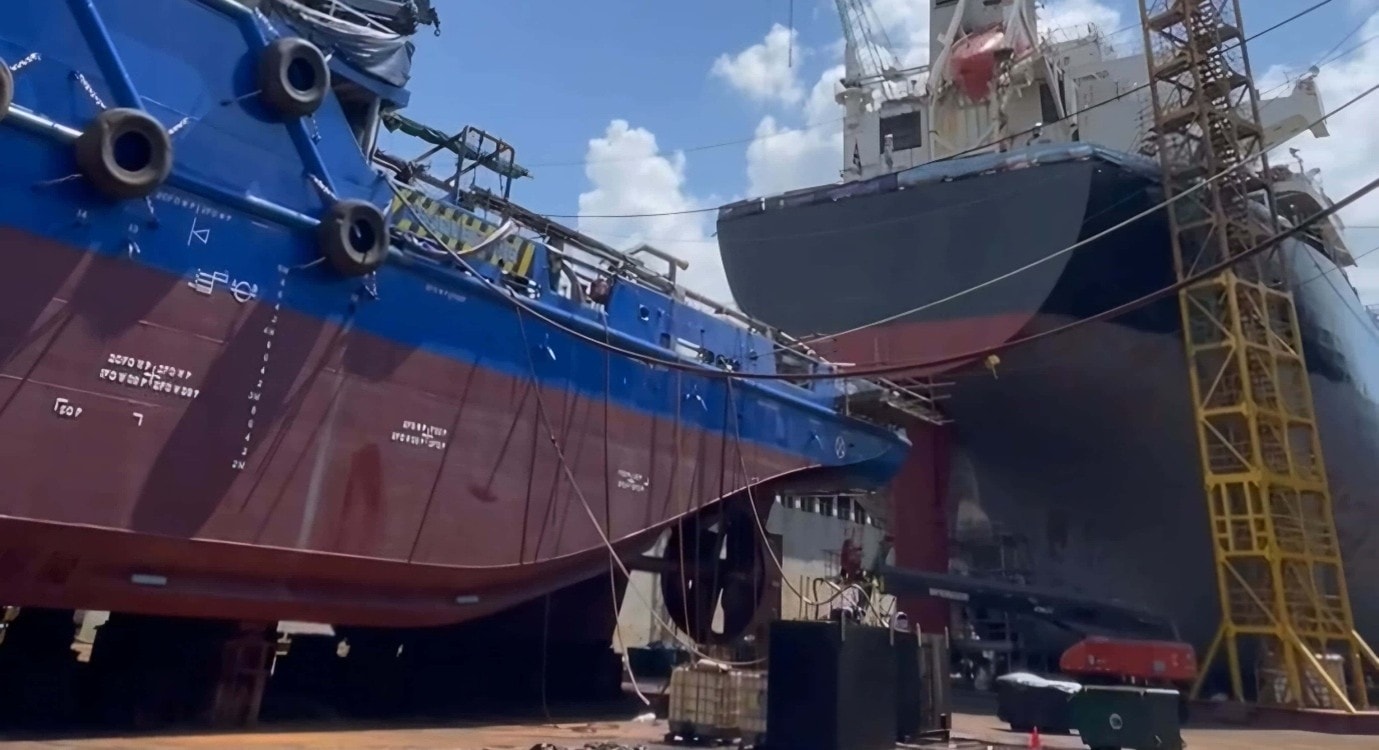
The definition of a balanced maintenance scope remains central to successful dry docking. Excessive work lists can strain financial planning, while insufficient preparation may lead to follow-up repairs later in the year. Scope development benefits from historical maintenance records, technical judgment, and a realistic understanding of shipyard capabilities.
Dry dock maintenance for Ports demands precise coordination of subcontractors, spare parts delivery, and inspection schedules. Early engagement with local agents supports availability planning and logistical readiness. This disciplined approach helps maintain cost control while ensuring that technical objectives are met within the docking period.
Port Coordination and Regulatory Readiness
Regulatory compliance forms a significant component of dry docking preparation. Class surveys, statutory inspections, and port authority requirements must be aligned with docking schedules to avoid procedural complications. Early-year planning allows documentation review and approval processes to be completed ahead of execution.
Local port knowledge remains essential in managing dock entry, marine services, and safety compliance. Proactive coordination ensures that vessel movements, berth allocation, and dock access remain controlled throughout the maintenance phase. Dry docking benefits significantly from structured port oversight, particularly in busy maritime regions.
Balancia’s Approach to Early-Year Dry Docking Preparation
Balancia supports early-year dry docking through disciplined preparation, localized execution, and maintenance-focused coordination. Operating with strong port and technical familiarity, Balancia assists vessels in aligning maintenance scopes with shipyard capabilities and port schedules. This ensures that dry docking progresses according to plan while remaining operationally adaptable.
Maintenance planning under Balancia’s coordination emphasizes transparency, execution control, and accountability. Pre-docking inspections, dock entry arrangements, and service coordination are structured to support efficient delivery. Dry dock maintenance for Ports is managed with consistent attention to safety, compliance, and commercial alignment.
Managing Execution and Post-Docking Readiness
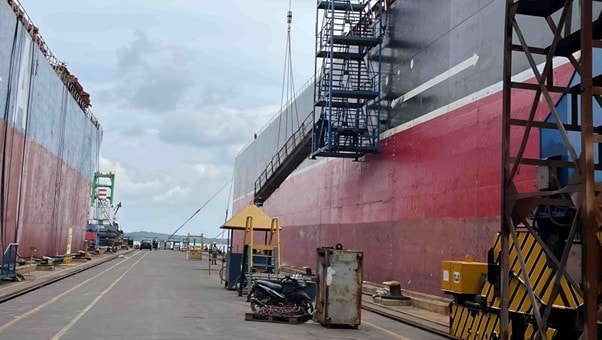
Dry docking extends beyond dock departure. Post-docking readiness includes sea trials, system verification, and documentation closure. Early-year dockings allow additional time for operational monitoring before peak trading periods, enabling technical teams to validate maintenance outcomes thoroughly.
A well-prepared dry docking program strengthens vessel dependability across the year. Maintenance completed during this period supports operational continuity and asset longevity. With experienced port agency involvement, dry docking becomes a controlled process that reinforces sustained vessel performance.
Positioning Vessels for the Year Ahead
Early-year dry docking provides an opportunity to establish technical stability and operational confidence. Through structured preparation, disciplined maintenance planning, and effective port coordination, vessels are positioned to operate consistently across demanding schedules. Dry docking, when executed with foresight, delivers lasting benefits beyond compliance requirements.
Balancia remains committed to supporting vessels through comprehensive early-year dry docking preparation, ensuring maintenance objectives are achieved with professionalism and precision. This approach allows vessels to enter the year prepared, compliant, and operationally resilient.
BALANCIA SHIP AGENCY
HQ Address : Komplex Ruko Golden City Block C No.3A, Batam City, Indonesia 29432
www.balancia.co.id
Mobile Ph. : +628112929654
Office Ph. : +627784883769
References:
- Mastering Ship Drydocking: A Comprehensive Guide to Success. (2024, April 20). Retrieved from Virtue Marine: https://www.virtuemarine.nl/post/mastering-ship-drydocking-a-comprehensive-guide-to-success
- Ramponi, D. (2024, October 07). Dry Docking: Explained. Retrieved from Shipping Know How: https://www.shippingknowhow.net/post/dry-docking-explained