Dry Docking for Vessel Cost Savings
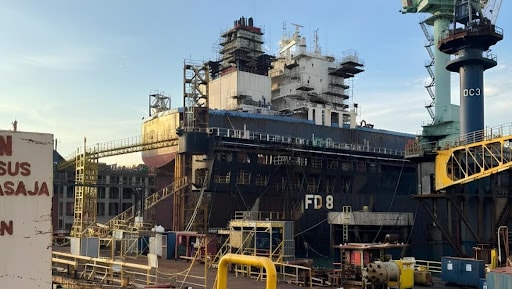
Sustainable performance in maritime operations depends on how efficiently a vessel is managed throughout its lifecycle. Beyond navigation and cargo handling, one of the most decisive measures influencing both operational reliability and financial performance is dry docking. This essential maintenance phase allows a vessel to undergo comprehensive inspection, repair, and renewal, ensuring its continued seaworthiness and economic efficiency. Rather than viewing dry docking as an interruption, leading operators recognize it as a strategic investment in dry docking for vessel cost savings, safeguarding vessel longevity and ensuring long-term cost stability.
Strategic Importance of Dry Docking
Dry docking provides an opportunity to examine every critical component of a vessel, particularly the underwater hull, propulsion system, and structural integrity. Over time, marine growth, corrosion, and mechanical stress can affect performance and raise fuel consumption. Regular docking ensures that these issues are addressed systematically, preventing small defects from evolving into major mechanical failures.
A well-executed docking program encompasses hull cleaning, application of advanced anti-fouling coatings, inspection of propellers and shafts, and the overhaul of sea valves and other essential fittings. These actions not only preserve vessel condition but also align with international safety and classification standards. The result is a vessel that remains compliant, efficient, and capable of performing at optimal capacity for years beyond its expected service period.
Economic Efficiency Through Preventive Maintenance
In a competitive shipping market, cost optimization is inseparable from preventive maintenance. The financial return of a timely dry docking can be measured through reduced fuel consumption and lower repair expenses. Marine fouling, even in minimal amounts, creates drag that increases energy use across voyages. Through hull cleaning and repainting, ships regain their hydrodynamic efficiency, directly reducing fuel costs and improving environmental performance.
Preventive measures also protect against future capital expenditure. Addressing corrosion, renewing anodes, or reinforcing weakened structures during scheduled docking avoids the extensive repair costs that could arise from deferred maintenance. By investing in routine dry docking, shipowners secure the vessel’s long-term integrity, translating to measurable savings and sustained profitability over its operational lifespan.
Planning and Execution for Maximum Value
Effective dry docking requires strategic foresight. Shipowners who align their maintenance schedules with trading commitments achieve the dual advantage of minimizing downtime and maximizing operational availability. Planning involves coordination with shipyards, classification societies, and suppliers well before the vessel’s arrival. This ensures that all materials, equipment, and survey requirements are prepared in advance.
In recent years, data-driven maintenance has enhanced this process. Performance monitoring systems track hull condition, coating lifespan, and propulsion efficiency, allowing operators to determine optimal docking intervals. The integration of technology and traditional ship management practices has refined docking schedules, helping fleets operate with precision, consistency, and reduced operational risk.
Environmental and Compliance Considerations
Modern dry docking extends beyond maintenance to encompass environmental stewardship and regulatory compliance. Hull cleaning not only improves efficiency but also reduces greenhouse gas emissions by lowering fuel consumption. Compliance with the International Maritime Organization’s environmental standards is now a key factor in operational credibility and client confidence.
Shipyards in Batam and other key maritime hubs have adopted sustainable practices to manage waste, water treatment, and paint residue responsibly. Facilities aligned with ISO 9001, 14001, and 45001 standards demonstrate that efficiency and environmental responsibility can coexist within the same operational framework. By partnering with such facilities, shipowners ensure that vessel upkeep contributes positively to broader sustainability goals.
Balancia’s Coordinated Support in Batam
Indonesia’s Batam Island has emerged as one of the most efficient dry docking centers in the region, strategically located along major shipping routes. Balancia Ship Agency has established a strong presence in this area, assisting global shipowners and managers in achieving seamless docking operations. The agency provides full coordination for crew management, spare part logistics, customs documentation, and technical supervision.
Balancia’s expertise lies in ensuring that every stage of the docking process is executed on time and in compliance with international standards. The company’s direct engagement with certified shipyards, surveyors, and local authorities allows clients to operate with confidence, knowing their vessels are in capable hands. Through efficient planning, transparent communication, and proactive coordination, Balancia enables shipowners to minimize costs without compromising quality or safety.
Delivering Long-Term Value Through Professional Oversight
When managed with precision, dry docking transforms from a procedural requirement into a strategic advantage. Clean hulls reduce drag and operational fuel costs, well-maintained machinery ensures reliability, and strict adherence to classification standards preserves asset value. These outcomes form the foundation of sustainable cost control and vessel longevity.
Balancia’s involvement in facilitating dry docking operations reflects its broader commitment to efficiency, compliance, and client trust. The company continues to serve as a reliable bridge between international shipowners and Batam’s shipyards, ensuring that every project delivers tangible returns; not only in cost savings but also in extended operational life and improved fleet performance.
Maintenance as a Business Strategy
Dry docking remains a cornerstone of responsible ship management and sound financial planning. It represents more than a technical necessity; it is a disciplined business strategy that enhances performance, protects capital investment, and reinforces long-term competitiveness.
Shipowners who approach maintenance with foresight and partnership achieve measurable benefits in efficiency, compliance, and sustainability. Through its coordinated services in Batam, Balancia Ship Agency continues to support global clients in transforming every docking period into an opportunity for operational excellence and enduring value.
BALANCIA SHIP AGENCY
HQ Address : Komplex Ruko Golden City Block C No.3A, Batam City, Indonesia 29432
www.balancia.co.id
Mobile Ph. : +628112929654
Office Ph. : +627784883769
References:
- A Guide to Dry Docks: Types, Functions, and Essential Requirements. (n.d.). Retrieved from Maritime Education: https://maritimeducation.com/a-guide-to-dry-docks-types-functions-and-essential-requirements/
- Mastering Ship Drydocking: A Comprehensive Guide to Success. (2024, April 20). Retrieved from Virtue Marine: https://www.virtuemarine.nl/post/mastering-ship-drydocking-a-comprehensive-guide-to-success