Underwater Cleaning Techniques for Year-End Maintenance
Clean underwater surfaces have long been recognized as one of the strongest contributors to vessel efficiency, operational stability, and regulatory compliance. Modern fleets operate in increasingly demanding environments, where marine growth forms quickly and places additional strain on fuel performance and machinery health. Underwater cleaning techniques for year-end maintenance have therefore evolved into a strategic maintenance practice for shipowners who aim to preserve hydrodynamic performance while safeguarding long-term asset reliability. Many companies reinforce these practices toward the end of the year as part of their broader maintenance cycle, ensuring their fleets enter the new operational period with restored efficiency.
The Expanding Importance of Underwater Cleaning in Today’s Shipping Environment
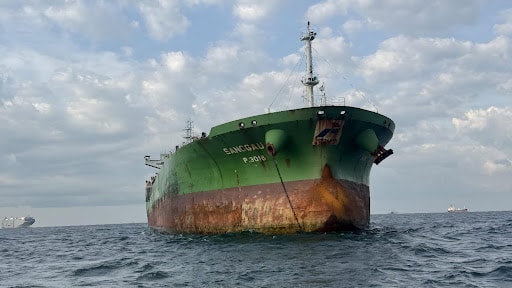
Marine fouling presents immediate and measurable challenges. Algae, barnacles, and other organisms accumulate on underwater surfaces, increasing resistance and pushing fuel consumption upward. Even marginal layers of fouling affect voyage consistency and create additional costs. Underwater cleaning responds to these pressures by restoring a clean surface that supports smoother movement through the water.
The ability to conduct this work while the vessel remains afloat offers a clear advantage. Ships maintain schedules without waiting for dry dock availability, and operators gain improvements in fuel efficiency almost immediately. As international standards continue to emphasize cleaner operations, underwater cleaning aligns naturally with expectations for responsible vessel management and lower emissions.
Eco-Cleaning as an Environmentally Responsible Standard
Environmental considerations continue to shape maintenance decisions across global fleets. Eco-cleaning has emerged as a preferred approach due to its controlled, sustainable process. Specialized tools and containment systems reduce the spread of debris and prevent fouling waste from dispersing into surrounding waters, helping operators meet environmental obligations more confidently.
Eco-cleaning supports the preservation of hull coatings by avoiding unnecessary abrasion while ensuring thorough removal of marine growth. This balanced method allows shipowners to strengthen performance and maintain environmental commitments within the same maintenance cycle.
Brush-Based Systems as a Trusted Solution Across Vessel Types
Rotating brush systems remain one of the most established underwater cleaning methods due to their effectiveness and adaptability. Brushes are selected according to coating type and fouling severity, ensuring appropriate treatment of each underwater surface. Gentle brushes protect softer coatings, while firmer versions manage heavier marine growth.
The structured movement of these systems allows consistent cleaning across wide hull areas. Smaller attachments address complex parts such as propellers and sea chests, offering precision where mechanical efficiency is most sensitive. This method delivers immediate hydrodynamic improvement and supports the vessel’s fuel performance.
High-Pressure Water Jetting as a Targeted Cleaning Technique
High-pressure water jetting is widely used for stubborn fouling and areas requiring enhanced precision. Its controlled pressure removes growth without harming the coating when operated responsibly. The technique is particularly effective on rudders, bilge keels, and propulsion surfaces.
Propeller cleaning is often prioritized due to its direct influence on thrust, vibration, and engine stability. When propeller surfaces are restored, vessels benefit from smoother maneuvering and lower mechanical strain. The technique is frequently incorporated into year-end maintenance programs to reestablish optimum performance for the next operational phase.
Robotic and ROV-Based Systems in Modern Underwater Maintenance
Technological advancements continue to redefine underwater cleaning. Robotic units and remotely operated vehicles provide consistency, safety, and improved documentation. These systems are equipped with cameras, sensors, and integrated cleaning modules that support real-time monitoring throughout the cleaning process.
Robotic underwater cleaning reduces diver exposure in challenging conditions and enables operators to capture detailed inspection records simultaneously. Early identification of coating damage, corrosion, or structural concerns helps shipowners prepare more accurate maintenance plans for the upcoming year.
Diver-Assisted Cleaning for Complex Hull Geometries
Despite technological progress, diver-assisted cleaning remains an essential practice for vessels with intricate structural areas. Skilled divers navigate challenging geometries and apply customized methods tailored to the vessel’s unique configuration. Their expertise is particularly useful for components requiring careful handling.
Diver-assisted cleaning is often combined with eco-cleaning processes that preserve coating integrity while ensuring comprehensive fouling removal. This approach provides the level of precision required when automated systems may not fully reach deeper or more complex sections.
Planning and Documentation for Long-Term Maintenance Efficiency
Structured underwater cleaning programs benefit from clear documentation and periodic evaluation. Inspection findings support more accurate maintenance planning, allowing shipowners to anticipate fouling patterns and adjust cleaning intervals based on vessel routes and seasonal conditions. These records strengthen compliance with environmental regulations and support consistent fleet performance.
Operators who incorporate underwater cleaning into their year-end strategy gain an advantage by restoring underwater surfaces, improving efficiency, and reducing fuel expenditure before entering a new operational cycle. It becomes an opportunity to reset underwater conditions and strengthen readiness for the year ahead.
Supporting Cleaner, Safer, and More Efficient Fleets
Underwater cleaning continues to stand as one of the most dependable contributors to vessel performance. Eco-cleaning provides a sustainable enhancement to the process, and modern technologies elevate consistency, safety, and data accuracy. When combined with expert diver capability, underwater cleaning becomes a comprehensive solution supporting operational excellence.
Shipowners seeking reliable support for underwater cleaning and related maritime services in Indonesia can reach out to Balancia Ship Agency, where professionalism, compliance, and operational readiness remain central to every service provided.
BALANCIA SHIP AGENCY
HQ Address : Komplex Ruko Golden City Block C No.3A, Batam City, Indonesia 29432
www.balancia.co.id
Mobile Ph. : +628112929654
Office Ph. : +627784883769
References:
- Shipnerd. (2022, November 4). Underwater cleaning of ship hull – Explained. Retrieved from Ship Nerd: https://shipnerdnews.com/underwater-cleaning-of-ship-hull-explained/
- Song, C., Cui, W. Review of Underwater Ship Hull Cleaning Technologies. J. Marine. Sci. Appl.19, 415–429 (2020). https://doi.org/10.1007/s11804-020-00157-z