Emergency Response and Port Agency Services Supporting Maritime Safety
When emergencies happen at sea, the consequences can be very serious. Ships face many dangers because they operate in a challenging environment, often far away from immediate help. In such situations, emergency response for vessel safety becomes a top priority. Port agencies play an important role in supporting vessels during emergencies by coordinating quick actions and ensuring maritime safety.
Common Emergencies Faced by Ships at Sea
Life at sea is full of risks. Ships can encounter many types of emergencies, and each requires a fast and well-organized response to reduce damage and protect lives. Fires onboard are one of the most dangerous emergencies. For example, fire outbreaks can start in the engine room or cargo hold and spread quickly, threatening the ship and crew. Incidents like the fire on the MSC Flaminia in 2012 and the X-Press Pearl in 2021 show how fire can cause great loss and environmental damage. Quick fire detection and response systems are essential to reduce these risks.
Flooding due to hull breaches or bad weather is another critical emergency. Flooding can make a ship unstable and endanger everyone onboard. The Costa Concordia disaster and the Gulf Livestock 1 capsizing are tragic reminders of the dangers of flooding. Advanced monitoring systems help detect water ingress early and provide warnings so that crews can take action before the situation worsens.
Collisions and groundings are also major threats. These events can lead to oil spills and environmental disasters. The grounding of the Ever Given in the Suez Canal disrupted global trade and highlighted the importance of safe navigation. Modern ship management systems provide real-time navigation alerts that help crews avoid accidents and protect the environment.
Medical emergencies onboard require fast attention even though medical resources are limited at sea. Crew members need immediate care, and ship agencies help by coordinating medical support and evacuation if necessary. Security threats such as piracy also remain a concern, especially in dangerous regions. Effective emergency communication and response coordination are vital to protect crew and cargo from attacks.
The Use of Ship Management Systems in Emergency Response
Ship management systems have become essential tools to improve emergency response for vessels. These systems constantly monitor the condition of a ship and send real-time alerts when problems occur. This early warning allows crews to act before emergencies grow worse.
Automated emergency alerts are triggered instantly when risks such as fire or flooding are detected. This feature activates emergency protocols quickly, helping crews to respond without delay. Communication among crew members is also enhanced by these systems, ensuring that everyone knows their role and can work together efficiently during a crisis.
Port agencies work closely with ship management systems by coordinating with onshore teams when emergencies happen. This connection allows rescue operations to be organized quickly and resources to be sent where they are needed most. This cooperation is important in saving lives and minimizing damage during maritime emergencies.
How Port Agencies Ensure Compliance with Safety Regulations
Compliance with international maritime safety rules is critical in maintaining emergency preparedness. Port agencies help ship operators meet regulations such as SOLAS, the ISM Code, and the ISPS Code, which set standards for fire safety, pollution prevention, and security measures.
Ship management systems support this compliance by monitoring equipment, managing inspections, and providing automated reminders. This helps prevent equipment failure and ensures that safety measures are always ready to use in an emergency. For example, life-saving equipment must be maintained regularly and accessible at all times to protect crew members in case of fire or flooding.
Environmental protection regulations, such as those set by the Marine Environment Protection Committee (MEPC), are also supported by ship management systems. These systems track fuel consumption, emissions, and waste, helping ships reduce pollution and protect marine ecosystems. Meeting these standards contributes to safer maritime operations and better emergency response outcomes.
Reducing Human Error and Improving Emergency Preparedness
Human error often contributes to maritime accidents, but it can be reduced through standardized procedures and technology. Ship management systems help crew members follow safety protocols correctly by providing checklists and automatic alerts. This structured approach ensures that emergency plans are practiced regularly and that crews know exactly what to do when danger arises.
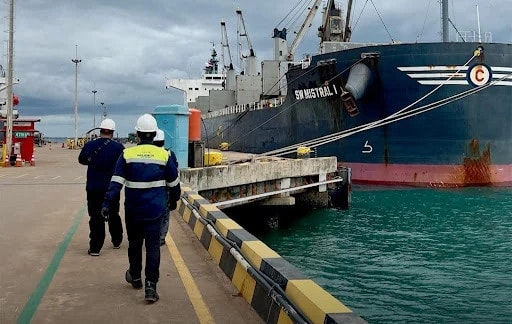
Port agencies like Balancia Ship Agency support vessels during emergencies by assisting with communication, coordination, and logistics. When emergencies such as fires, flooding, or piracy attempts happen, the ship’s trained crew acts first. Then, port agencies ensure that emergency communication channels are open and efficient, enabling fast coordination with local authorities, coast guards, or service providers. This teamwork between ship and shore can make a big difference in reducing risks and saving lives.
Balancia Ship Agency’s Commitment to Maritime Safety and Emergency Response
Balancia Ship Agency understands the vital role of emergency response in maritime safety. As a trusted port agency, Balancia offers strong support to ships calling at Indonesian ports by coordinating emergency services and ensuring compliance with safety regulations.
Through advanced ship management systems and experienced teams, Balancia helps vessels prepare for emergencies and respond quickly if incidents occur. This includes monitoring vessel conditions, supporting crew communication, and connecting ships with onshore emergency responders. Balancia’s commitment to maritime safety helps protect lives, cargo, and the environment, making it a reliable partner for shipping companies worldwide.
BALANCIA SHIP AGENCY
HQ Address : Komplex Ruko Golden City Block C No.3A, Batam City, Indonesia 29432
www.balancia.co.id
Mobile Ph. : +628112929654
Office Ph. : +627784883769
References:
- Shipboard Emergency Prevention, Preparedness and Response. (2018, March 18). Retrieved from Sailor Insight: https://sailorinsight.com/shipboard-emergency-prevention-preparedness-and-response/
- The Role of Ship Management Systems in Emergency Response. (n.d.). Retrieved from SBN Tech: https://sbntech.com/the-role-of-ship-management-systems-in-emergency-response/