Your Guide to Safe and Successful Dry Docking for Tankers
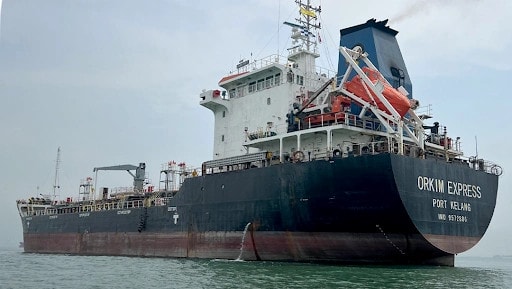
Tanker ships often carry large amounts of oil or chemicals. If these vessels are not well maintained, there can be serious safety and pollution risks. That’s why dry docking for tankers is not only about repair but also about prevention. Regular checks help to keep the tanker efficient, safe, and ready to meet international standards. Below is a detailed checklist with important focus areas for dry docking for tankers.
Documentation and Planning
Before a tanker goes into dry dock, the ship’s crew and technical team must prepare a full docking plan. This includes reviewing all past inspection reports, surveys, and maintenance records. Checking the expiry dates of class and statutory certificates is also very important. Based on this review, the team can decide what work needs to be done in the dry dock. The docking plan should cover all expected tasks, such as hull cleaning, painting, cargo system inspection, valve replacements, and machinery overhauls.
Planning also includes arranging tools, spare parts, and any special equipment that may be needed. Items like paint, cleaning agents, sacrificial anodes, gaskets, and filters must be ordered in advance. Crew must also update maintenance software and prepare a list of jobs for shore contractors. Clear communication between the ship and the shipyard is needed to avoid delays. Planning early helps the dry dock operation go smoothly and finish on time.
Tank and Hull Preparations
One of the first steps in dry docking a tanker is making sure the cargo tanks and ballast tanks are completely emptied and cleaned. Cleaning must be done until gas-free certificates are issued by an authorized surveyor. This ensures a safe environment for workers and avoids fire or explosion risks during hot work. Tank cleaning also gives the team a chance to inspect for corrosion, cracks, or coating damage inside the tanks.
The ship’s hull must also be inspected carefully. Marine growth and old paint must be removed using high-pressure water blasting or mechanical methods. After cleaning, the hull surface is checked for pitting, rust, or other damage. Any required steel renewal should be planned early. Then, anti-corrosion and anti-fouling coatings are applied to protect the ship’s hull and improve performance at sea. Proper hull preparation reduces fuel consumption and extends the life of the vessel.
Engine Room and Machinery Readiness
The dry docking period is the best time to inspect and service engine room machinery. Items such as pumps, heat exchangers, and sea water systems are taken apart and cleaned. Wear parts like seals, bearings, and gaskets are replaced if needed. Boilers are also cleaned and inspected for scaling or damage. This helps to improve the energy efficiency and safety of the ship.
All tools and lifting equipment must be ready before starting the work. The ship’s engineers should make sure that slings, chain blocks, and measuring tools are calibrated and safe to use. If any parts need to be sent ashore for service or inspection, proper landing reports should be prepared. Careful planning in the engine room section of dry docking will reduce downtime and help avoid future failures during voyages.
Safety Measures
Safety is very important during dry docking, especially for tanker vessels. Before work starts, all crew and shipyard staff must attend a safety briefing. Everyone should wear proper personal protective equipment (PPE) such as gloves, goggles, helmets, and safety shoes. Hot work permits, enclosed space entry permits, and lock-out tag-out systems must be strictly followed to avoid accidents.
Escape routes must be marked and kept free of obstacles. Firefighting equipment such as extinguishers, hoses, and fire alarms must be tested and placed in easy-to-reach areas. “No smoking” and “Danger” signs should be clearly posted in places where risky work is happening. Toolbox meetings should be held daily to discuss any new hazards or problems. Following safety procedures protects not only workers but also the ship and shipyard from damage.
Electrical and Ventilation Checks
Tanker vessels depend on stable electrical systems, so all power lines, switchboards, and circuit breakers must be inspected. Shore power connections should be tested to make sure the vessel gets safe and clean electricity during docking. Emergency generators, batteries, and lighting systems should be checked and ready for use. Testing tools like voltmeters and insulation testers should also be calibrated before inspection starts.
Ventilation is especially important for tankers because of the risk of harmful gas buildup. Portable blowers must be used to ventilate cargo tanks and confined spaces. Gas detectors should be tested and placed in work areas to monitor for flammable or toxic gases. Systems like MGPS (Marine Growth Prevention System) and ICCP (Impressed Current Cathodic Protection) need to be switched off and maintained during docking. A clean, safe, and well-ventilated environment helps everyone work more efficiently and safely.
Environmental Controls
Protecting the environment is a key part of tanker dry docking. All oily water, sludge, and chemical waste must be collected in sealed containers. These containers must be stored safely until they are handed over to a licensed waste disposal company. Paint residues, rags, and filters must also be handled properly to avoid leaks into the dock area.
Before dry docking, the crew should confirm that the shipyard has valid permits for handling and removing waste. Material Safety Data Sheets (MSDS) for chemicals and paints should be available and followed. The shipyard must also take steps to stop water runoff from entering the sea untreated. Keeping detailed records of waste and environmental checks is important for passing inspections and avoiding penalties.
Crew and Shipyard Coordination
Good teamwork between the crew and shipyard is key to a smooth dry docking. Before the work starts, a meeting should be held to assign tasks and explain safety procedures. The ship’s officers must provide the shipyard with drawings, tank layouts, and system manuals so workers understand the vessel’s structure and systems.
Daily toolbox meetings should be scheduled to review progress, discuss any hazards, and solve new problems. If any delays or extra repair needs are found, they must be reported immediately to the technical superintendent. Once all the work is done, final inspections and sea trials must be arranged to check that the ship is fully operational. The right communication and coordination help ensure the tanker leaves dry dock in top shape.
BALANCIA SHIP AGENCY
HQ Address : Komplex Ruko Golden City Block C No.3A, Batam City, Indonesia 29432
www.balancia.co.id
Mobile Ph. : +628112929654
Office Ph. : +627784883769
References:
- Dry Dock Checklist: Fully Prepare Your Ship for Dry Docking. (2025, April). Retrieved from Marine Public: https://www.marinepublic.com/blogs/port/622909-dry-dock-checklist-fully-prepare-your-ship-for-dry-docking
- Raunek. (2024, January 9). The Ultimate Guide to Dry Docks: Types, Functions, and Essential Requirements. Retrieved from Marine Insight: https://www.marineinsight.com/guidelines/dry-dock-types-of-dry-docks-requirements-for-dry-dock/