Ocean Guardians: UWC Innovations Revealed
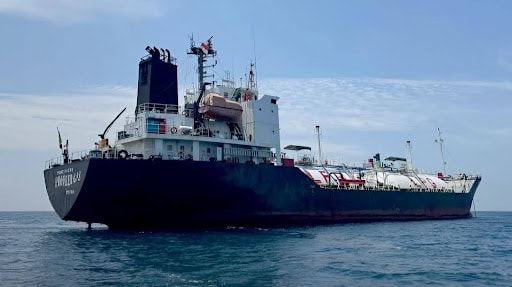
Ocean Guardians of the maritime world understand that the submerged surfaces of ships shape both performance and environmental outcomes. Beneath the waterline, hulls accumulate marine growth that slows vessels, raises fuel costs, and increases emissions. Through modern underwater cleaning, these challenges are being addressed with advanced technology and a focus on eco-performance. A new generation of solutions—driven by the spirit of Ocean Guardians—is proving that maritime operations and ocean protection can advance together.
Reimagining Hull Care Below the Surface
Underwater cleaning has moved beyond the periodic diver scrubs of the past. Traditional methods offered limited scope, disrupted operations, and often damaged protective coatings or nearby ecosystems. Innovative systems now enable hull cleaning while vessels remain in service, reducing the need for unscheduled dry-docking and keeping schedules more predictable. This approach treats submerged areas as an asset to be managed rather than a hidden problem to be fixed.
Adoption of these practices helps maintain smoother hull surfaces, reduce drag, and extend coating life. These benefits translate into lower operating costs and improved environmental performance, which together define the concept of eco-performance. The shift from reactive cleaning to planned, technology-driven care marks a turning point in how the global industry approaches hull maintenance.
Fuel Efficiency and Emission Reduction
Fuel consumption represents one of the largest expenses for ship operators. A fouled hull may increase fuel use by up to 40 percent, resulting in higher costs and greater carbon dioxide output. Regular underwater cleaning delivers fuel savings of between 10 and 20 percent, creating measurable financial relief for fleets of all sizes. These savings also reinforce international decarbonization goals and support compliance with tightening climate regulations.
Cleaner hulls reduce greenhouse gas and pollutant emissions, making vessels more acceptable to environmentally conscious ports and clients. This direct link between underwater cleaning and eco-performance shows how operational and ecological objectives can be achieved simultaneously. Each cleaning event becomes both an operational improvement and a contribution to global environmental targets.
Technological Innovations Beneath the Waves
The development of new tools has transformed the practice of underwater cleaning. Diver-assisted methods are now supplemented by remotely operated vehicles, robotic hull cleaners, and precision water jets. These systems remove marine growth while minimizing damage to coatings and capturing waste to prevent contamination of surrounding waters. In some cases, ultrasonic technologies are employed to deter biofouling without physical abrasion or chemicals, further reducing environmental impact.
Advanced coatings also form part of the innovation landscape. Foul-release materials create smoother surfaces that discourage marine attachment and facilitate easier cleaning. Combined with robotic systems, these coatings support a maintenance regime that is both efficient and sustainable. Integration of hardware, materials, and procedures represents the forefront of eco-performance in shipping, turning underwater cleaning into a platform for continuous improvement.
Protecting Marine Ecosystems and Enhancing Compliance
A major ecological benefit of underwater cleaning lies in the prevention of invasive species transfer. Biofouling organisms that travel from one region to another can disrupt local ecosystems and threaten fisheries. Maintaining clean hulls reduces this risk and contributes to the preservation of marine biodiversity. This environmental dimension has gained increasing recognition as regulators strengthen guidelines for sustainable vessel operations.
International frameworks such as the IMO Biofouling Guidelines and the Anti-Fouling Systems Convention emphasize proactive hull management. Ship Energy Efficiency Management Plans also recommend regular inspections and cleaning as part of emission-reduction strategies. Vessels following these frameworks enjoy smoother passage through ports and demonstrate commitment to responsible environmental practices, which strengthens their standing with stakeholders.
Financial and Operational Advantages
The economic case for underwater cleaning extends beyond fuel savings. Reduced dry-docking frequency, lower maintenance costs, and improved scheduling accuracy all contribute to stronger financial performance. Insurers often view well-maintained vessels as lower risk, which may translate into reduced premiums. Some ports even reward environmentally responsible ships with discounted fees or priority berthing, making eco-performance a competitive advantage.
Operational reliability increases when hulls are kept clean. Ships maintain predictable speeds, minimize unexpected disruptions, and improve customer confidence. These outcomes illustrate how underwater cleaning supports not only compliance and sustainability but also long-term profitability. The practice functions as both an environmental safeguard and a strategic business tool.
Aligning Efficiency with Stewardship
Underwater cleaning has moved beyond being a hidden or routine task. It is now an integral part of eco-performance, combining cost efficiency with environmental care. Through innovations in technology, materials, and planning, UWC is reshaping how shipping interacts with the oceans it depends on. Clean hulls deliver faster voyages, lower emissions, and healthier seas, showing that efficiency and stewardship can progress together.
For companies seeking reliable and sustainable shipping, these developments point to a future where vessels act as true ocean guardians. Balancia Ship Agency is ready to support this change by delivering eco-friendly underwater cleaning services across Indonesian waters. Working with Balancia enables operators to enhance performance, reduce environmental impact, and maintain compliance with international standards. Embracing modern underwater cleaning practices highlights not only operational excellence but also a long-term commitment to protecting the marine environment.
BALANCIA SHIP AGENCY
HQ Address : Komplex Ruko Golden City Block C No.3A, Batam City, Indonesia 29432
www.balancia.co.id
Mobile Ph. : +628112929654
Office Ph. : +627784883769
References:
- Hull cleaning can improve ships’ energy efficiency. (2018, March 26). Retrieved from Safety4Sea: https://safety4sea.com/hull-cleaning-can-improve-ships-energy-efficiency/
- Quick Compare: Ship Hull Cleaning Strategies. (2024, August 19). Retrieved from Ship Universe: https://www.shipuniverse.com/quick-compare-ship-hull-cleaning-strategies/