
A Ship Agency’s Role in Facilitating Emergency Dry Docking in Indonesia
Navigating the bureaucratic waters of Indonesia is often as complex as the physical repairs themselves. A ship agency manages the heavy lifting of paperwork, from customs clearances for imported spare parts to immigration for specialized technicians arriving for the emergency repair. During the dry docking process, they act as the primary liaison with the Indonesian Classification Bureau (BKI) and Port Authorities, ensuring that all safety standards are met before the vessel is cleared to return to sea.
Responding to Emergency Situations
Emergency dry docking usually starts with a sudden issue onboard. This could involve structural damage, propulsion problems, or equipment failure that cannot be handled while the vessel remains in operation.
The first step is always rapid assessment. Repair requirements must be clearly identified and communicated immediately. Ship particulars, damage reports, and repair scope need to be shared without delay so that shipyards can evaluate whether they have the capacity and capability to accept the vessel.
At this stage, speed of communication directly affects how quickly a docking slot can be secured.
Identifying Suitable Shipyards
Indonesia offers several key locations for dry docking, but availability depends heavily on timing and vessel condition.
Batam is often considered one of the most responsive locations due to its concentration of shipyards and proximity to major shipping routes. Facilities in Batam are known for handling fast turnaround projects, making them suitable for emergency cases.
Jakarta and Surabaya also provide strong options, particularly for vessels requiring more complex repairs or specialized facilities. Some shipyards offer advanced lifting systems that allow quicker docking and undocking compared to conventional dry docks, which can significantly reduce waiting time.
Selecting the right yard is not just about location, but also about available space, technical capability, and how quickly the yard can mobilize resources.
Fast-Tracking Docking Arrangements
Once a suitable shipyard is identified, the docking process must be arranged without delay.
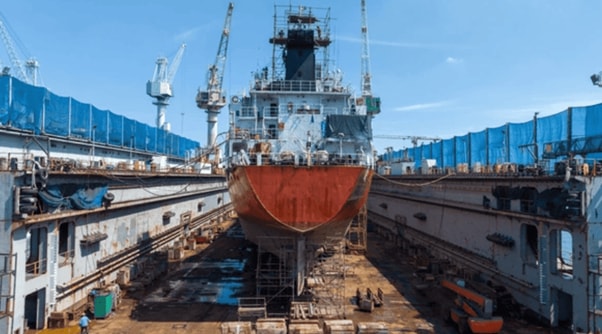
This includes confirming berth availability, preparing docking plans, and securing all necessary approvals. In emergency cases, timelines are compressed, and coordination must happen in parallel rather than step-by-step.
Shipyards will prepare a docking arrangement based on the vessel’s design to ensure safe positioning. In some cases, shiplift systems are used to speed up the process, as they do not require the same time for flooding and dewatering as traditional dry docks.
Clear and continuous communication between all parties is essential during this stage to avoid misalignment.
Managing Repairs and Inspections
Once the vessel is docked, work begins immediately.
High-pressure washing and surface cleaning are typically carried out first to allow full inspection of the hull. This helps identify the exact extent of damage and confirm the repair scope.
From there, structural repairs, mechanical work, or equipment replacement can proceed. Emergency cases often involve unexpected findings, so flexibility is required throughout the repair process.
Coordination is needed to ensure that all repair teams, materials, and equipment are available without delay. Any gap in planning at this stage can extend the vessel’s downtime.
Once the vessel is docked, work begins immediately. High-pressure washing and surface cleaning are typically carried out first to allow full inspection of the hull… Emergency cases often involve unexpected findings, so flexibility is required throughout the repair process. Managing these sudden discoveries requires a disciplined approach to Dry Docking Project Management to ensure that emergency repairs do not lead to unnecessary cost escalation. Coordination is needed to ensure that all repair teams, materials, and equipment are available without delay.
Handling Logistics and Spare Parts
One of the biggest challenges in emergency dry docking is ensuring that all required spare parts and materials are available on time.
Certain components may need to be sourced urgently and transported to the shipyard. This includes managing customs clearance, delivery timelines, and coordination with suppliers.
Delays in spare parts can significantly impact repair schedules. Proper planning and early ordering, even under time pressure, help reduce the risk of extended docking periods.
Maintaining Safety and Compliance
Even in emergency situations, safety standards cannot be compromised.
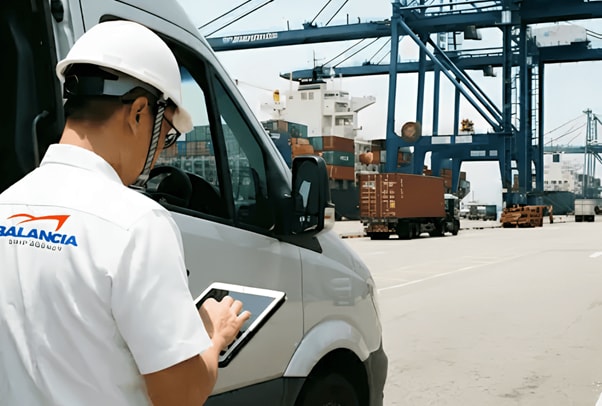
Before and during dry docking, safety checks must be conducted, including inspection of firefighting systems, lifesaving appliances, and hazardous areas. Shipyard safety protocols must also be followed to ensure that repair work is carried out in a controlled environment.
Regulatory compliance also remains important, especially when dealing with classification requirements or port authority approvals.
Minimizing Off-Hire Time
Emergency dry docking directly affects vessel availability, making downtime a key concern.
Every hour counts, and efficient coordination plays a major part in reducing off-hire time. From initial assessment to completion of repairs, each step must be aligned to avoid unnecessary waiting periods.
This includes synchronizing shipyard readiness, workforce availability, material delivery, and inspection timelines. A well-coordinated process can significantly shorten the overall duration of the docking.
How Ship Agency Coordination Makes the Difference
Emergency dry docking is not just about finding a shipyard. It is about connecting all moving parts under time pressure.
From securing docking space, managing documentation, coordinating repairs, handling logistics, to ensuring compliance with local regulations, the entire process depends on structured coordination.
This is where Balancia Ship Agency has handled similar emergency cases, ensuring that urgent docking requirements are arranged efficiently, with minimal disruption to vessel schedules. Through close coordination with shipyards, authorities, and technical teams, emergency situations can be managed in a controlled and effective manner.
BALANCIA SHIP AGENCY
HQ Address : Komplex Ruko Golden City Block C No.3A, Batam City, Indonesia 29432
www.balancia.co.id
Mobile Ph. : +628112929654
Office Ph. : +627784883769
References:
- Dry Dock Preparation in Indonesia. (2025, November 27). Retrieved from Marine Inspection: https://marineinspection.app/blog/dry-dock-preparation-in-indonesia
- Dry Docking Procedure. (2020, February 6). Retrieved from Ratson: https://www.ratson.com/id/home/infocenterdetail/id/70