Maritime Talent Is Built, Not Found: How Seafarers Are Shaped Through Education
Maritime talent is not found. It is built through careful training, dedication, and hands-on learning. In an industry where safety, skill, and teamwork matter most, crew training programs play a vital role in shaping reliable seafarers. These programs support global workforce development by preparing individuals to meet the real challenges of life at sea.
Every Career Begins with the Basics
Before joining a vessel, each crew member must understand core safety practices and shipboard routines. Training usually starts with the layout of the ship, familiarization with emergency exits, and procedures for routine tasks. Crew members also learn about fire prevention, first aid, and how to respond when someone falls overboard. These are not abstract lessons. They are taught through drills and practical sessions that simulate real situations.
This foundation builds confidence. It helps create a shared understanding among the crew, where everyone is on the same page about how to work and respond safely. Developing maritime talent begins here, with a focus on strong habits and clear responsibilities that support daily operations.
Role-Specific Learning Paths
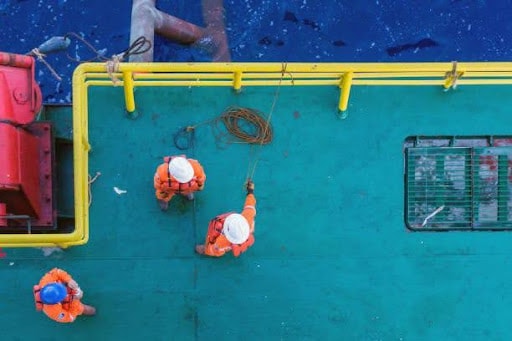
A vessel needs a wide range of skills to function properly. That is why training programs are designed to meet the demands of specific roles. Navigators must understand charts, radar systems, and collision avoidance. Marine engineers are responsible for maintaining equipment and preventing technical failures. Deckhands manage cargo, secure mooring lines, and operate deck machinery safely.
Training is adapted to these responsibilities. Each crew member is guided through courses that match their position and duties. This tailored approach makes sure maritime talent is developed with precision and care. It also supports the growth of a balanced workforce, where every skill set plays a part in keeping the ship on course.
Emergency Training That Saves Lives
The ocean is not always calm. From storms to technical failures, emergencies can happen quickly and without warning. Crew training must prepare individuals to respond without hesitation. Programs focus on drills that include fire response, flooding control, abandon-ship situations, and medical emergencies. These are not one-time events but repeated exercises that build readiness over time.
When crews are prepared, confusion can be avoided. Panic is reduced, and coordination improves. The ability to remain calm and act quickly is part of what defines maritime talent. Emergency training protects not only the individual but also the entire vessel and its mission.
A Career of Continuous Growth
The maritime industry changes often. New technology, environmental standards, and international rules continue to reshape how ships are operated. Crew members must continue learning to stay effective. Training programs provide refresher courses, updates on regulations, and certifications in emerging skills.
This focus on long-term growth supports workforce development by turning experience into expertise. As crew members gain more knowledge, they are better prepared for promotion and leadership. Training does not end with the basics. It moves forward with each stage of a seafarer’s career, encouraging growth and building stronger teams at sea.
The Importance of Strong Leadership
Effective crew training cannot exist without support from leadership. Ship owners and managers must make training a priority by allocating time, instructors, and resources. Programs need to be monitored, evaluated, and improved continuously. This support shows that education is not just a requirement but a company value.
Good leadership also helps create a culture of communication. When crew members feel safe asking questions or requesting additional training, they grow more confident and capable. Maritime talent thrives in environments where learning is welcomed and supported by those in charge.
Global Standards and the Drive for Excellence
Maritime operations are guided by international regulations, such as those outlined in the STCW Convention. These rules help ensure that crew members are qualified and competent for their assigned tasks. Training programs must meet these requirements to maintain certification and avoid legal issues.
By complying with international standards, companies show their commitment to professionalism and safety. This also contributes to stronger workforce development, where every seafarer is equipped to work on ships around the world with a shared understanding of expectations and practices.
Retaining Talent Through Education
Training programs also help keep good crew members on board. When seafarers feel that their development is being supported, they are more likely to stay with a company. Confidence increases, job satisfaction improves, and crew members begin to take pride in their work.
Providing opportunities for advanced training and career progression also sends a message of trust and respect. Crew members see that their growth matters, and this builds loyalty. Maritime talent, once developed, must also be retained. Training helps achieve both.
Using Technology to Improve Training
The tools used to deliver training are evolving. Simulation programs now allow crew members to practice complex procedures in a safe and controlled environment. Scenarios such as engine failure, fire response, and docking can be rehearsed many times without risk.
E-learning platforms offer flexibility, allowing seafarers to complete courses remotely or during off-duty hours. These new methods help expand access to training, improve understanding, and make education more engaging. Technology strengthens the process of workforce development by making learning easier and more interactive.
Building a Future on Strong Foundations
Maritime talent is not something that appears on its own. It is developed through consistent education, hands-on experience, and leadership support. Each crew member who completes a training program adds value to their team and to the global shipping community.
Workforce development in the maritime sector depends on these efforts. As vessels continue to grow in complexity and regulations become more demanding, well-trained crews will remain the key to safety and success. Through strong training programs, the maritime world ensures its people are ready, capable, and prepared for whatever lies ahead.
BALANCIA SHIP AGENCY
HQ Address : Komplex Ruko Golden City Block C No.3A, Batam City, Indonesia 29432
www.balancia.co.id
Mobile Ph. : +628112929654
Office Ph. : +627784883769
References:
- Rhine, E. (2023, December 15). Ensuring Maritime Safety Through Effective Crew Training. Retrieved from SPAGLAW: https://www.spaglaw.com/blog/2023/12/ensuring-maritime-safety-through-effective-crew-training/
- The Importance of Crew Training and Awareness Programs for Fuel-Efficient Navigation and Bunker Fuel Management. (2024, June 13). Retrieved from Diverese Daily: https://diversedaily.com/the-importance-of-crew-training-and-awareness-programs-for-fuel-efficient-navigation-and-bunker-fuel-management/