The Role of Ship Agencies in Ensuring Safe Berthing Operations
Safe berthing ensures that vessels can dock securely and efficiently to load or unload cargo, supporting the seamless flow of goods. This process is often complex, involving variables such as tides, weather, and port schedules. Ship agencies are instrumental in achieving safe berthing by organizing logistics, coordinating with port authorities, and resolving challenges that arise during the docking process.
The Critical Function of Ship Agencies in the Safe Berthing of Ships
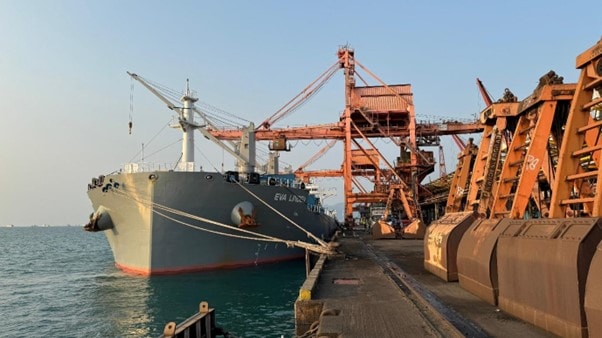
The initial task that must be completed when a vessel approaches a port is the safe and efficient docking. This process, referred to as berthing, entails the precise positioning of the vessel to ensure that it can securely attach to the port. This process requires careful preparation, precise manoeuvring, and coordination among a variety of parties. A ship agency serves as the primary intermediary between the port authorities and the vessel, guaranteeing that all essential services are in place to facilitate a seamless berthing process.
In order to guarantee that the vessel is allocated the appropriate berth, the ship agency collaborates with the port. They arrange for pilotage services, which are crucial for guiding the ship into port, and tugboats, which aid in the manoeuvring of the vessel, particularly in congested areas. The agency is also accountable for the swift processing of necessary documentation, including customs clearance, and the management of logistics, such as cargo handling.
Weather conditions and the ship’s specifications are among the numerous variables that influence berthing, and ship agencies are needed in their oversight and management. Their expertise lies in their capacity to foresee obstacles prior to their occurrence, thereby mitigating risks and guaranteeing that the vessel arrives at the ports in a safe and timely manner.
Timing and Tides in the Berthing Process
One of the most significant natural factors that affect the berthing procedure is the tide. The depth of water in ports and harbours is influenced by the gravitational pull of the moon and the sun, which causes sea levels to rise and fall. In order to guarantee secure docking, it is imperative to observe the draft of a vessel, which is the vertical distance between the waterline and the ship’s bottom. Water levels may plummet during low tide, and the ship may be unable to dock safely due to insufficient clearance.
Certain berths in the port may not have sufficient water depth to accommodate vessels, particularly those with a deeper draft, when low tide occurs. In such instances, the ship may be required to wait until the tide rises or be directed to a different berth. Conversely, high tides can result in elevated water levels, which may pose challenges during mooring operations, particularly in ports with narrow or shallow areas. Consequently, it is imperative to precisely coordinate the tidal schedules and the vessel’s arrival time.
Tidal schedules are employed by ship agencies to ascertain the most advantageous time for the vessel to berth, thereby guaranteeing that the ship is docked at the most favourable time. They collaborate closely with port authorities to monitor tide forecasts and modify the vessel’s schedule as needed. This foresight is essential for preventing delays and assuring that the ship can berth without incident.
Facing the Storms of Berthing Operations
Weather conditions are an additional critical factor that can impact berthing operations, in addition to tides. The manoeuvring of a vessel into a port can be significantly more dangerous and challenging due to high winds, turbulent waves, and strong currents. For example, tugboats and pilots may encounter difficulties in maintaining control during the berthing process when a vessel is pushed off course by high winds. Similarly, the stability of the ship as it approaches the port can be impacted by rough seas and currents, thereby escalating the possibility of accidents.
In order to remain informed about potential disruptions, ship agencies are continuously monitoring weather conditions. The ship agency may recommend that berthing be postponed until the weather improves in the event of severe weather. In case that high winds or rough seas are anticipated, they may recommend that the vessel’s docking be rescheduled or that additional tugboat assistance be requested to guarantee that the ship can dock securely. The safety of the vessel, its crew, and the port personnel is contingent upon the agency’s capacity to anticipate such weather conditions and implement preventative measures.
In certain circumstances, port authorities might decide to postpone berthing entirely for safety reasons in response to exceptionally severe weather. Docking may be rendered risky by thunderstorms, heavy rainfall, or strong winds. In such instances, the ship agency serves as the primary communication channel. They notify the ship’s crew and management of the delay and assist in rescheduling the docking time. The quick response ensures the safety of the personnel and prevents the vessel from taking unnecessary risks.
Expert Coordination for a Smooth Berthing Process
The coordination of the numerous services involved in berthing is a speciality of ship agencies. Their responsibilities necessitate not only logistical proficiency but also the capacity to foresee potential obstacles and early response to changing conditions. The agency collaborates closely with tugboat operators, pilots, and port authorities to guarantee that all essential services are accessible when required.
They use real-time data on weather forecasts and tides to determine the optimal course of action, which may involve modifying the vessel’s arrival time or ensuring that additional tugboats are available. The agency is accountable for ensuring that the docking process is coordinated and that cargo management and customs clearance are arranged in a timely manner on the day of berthing.
Additionally, the agency oversees the entire process from beginning to completion, taking the initiative to resolve issues and modify the schedule as required. This level of coordination is essential for preventing delays and guaranteeing that all parties engaged in the berthing process are prepared and informed. Ship agencies contribute to the optimization of the entire operation and the reduction of potential risks associated with berthing through their expertise.
Delays and Adaptability in Berthing Operations
Despite thorough preparation, external factors can prevent the ship from docking as planned. In the event of delays caused by weather conditions or unforeseen circumstances, the ship agency must quickly adjust and set up solutions to minimize disruptions. They may suggest that the berthing procedure be postponed, that the vessel be redirected to a different berth, or that alternative docking times be recommended.
The agency assures that the ship’s crew and management are consistently updated of any delays or adjustments to the schedule. Additionally, they collaborate with port authorities to reschedule berthing and implement any required modifications to guarantee that the vessel can dock safely following an improvement in weather conditions.
In the event that berthing is delayed for an extended period, the agency may also arrange for the vessel to temporarily anchor, providing the necessary support services while waiting for improvement in the conditions. In order to lessen costs associated with delays and sustain uninterrupted operations, this adaptability is important.
The Partnership Between Ship Agencies and Ports
The safe and efficient berthing of vessels is reliant upon the partnership between ports and ship agencies. The logistics and coordination required for secure docking are overseen by ship agencies, who also consider the challenges presented by weather conditions and tides. Their proactive approach to anticipating potential issues and coordinating services guarantees that the berthing process is completed without superfluous delays and in a timely manner.
Ship agencies assist vessels in confidently handling the complicated process of berthing by maintaining a comprehensive understanding of port conditions, weather forecasts, and tides. They are an essential component of the maritime industry due to their adaptability, expertise, and capacity to address unforeseen obstacles, which guarantees that vessels can dock securely and efficiently in spite of the numerous variables at play.
References:
- Abraham, J. (2024, April 30). Berthing in Shipping Guide: From Scheduling to Execution. Retrieved from Freightos: https://www.freightos.com/freight-resources/berthing-in-shipping/
- Steeg, J.J. van der. (2020). Berth Planning and Disruption Recovery: A Simulation Approach. (Thesis, Master of Science at the Delft University of Technology). Retrieved from: https://repository.tudelft.nl/
BALANCIA SHIP AGENCY
HQ Address : Komplex Ruko Golden City Block C No.3A, Batam City, Indonesia 29432
www.balancia.co.id
Mobile Ph. : +628112929654
Office Ph. : +627784883769