Minimizing Health Risks During Crew Changes in Maritime Operations
Health risks during crew changes must be carefully addressed to maintain the safety of maritime operations. Common risks include infectious disease transmission, travel-related injuries, and medical complications. By adopting rigorous health measures and ensuring strict adherence, maritime operators can reduce these risks and protect the health of their crew.
Health Risks During Crew Changes
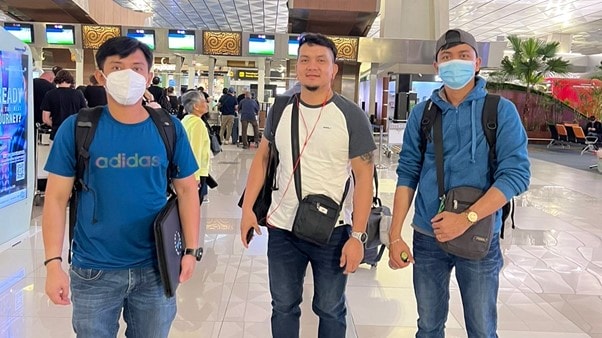
Crew changes generally involve crew members travelling between different locations, occasionally crossing international borders. Travelling, especially by air or sea, can present crew members with numerous health risks. Exposure to infectious diseases, including respiratory infections and viral illnesses, represents one of the most significant risks. During the COVID-19 pandemic, the maritime industry underwent significant changes in practices to mitigate the spread of the virus. Nonetheless, these risks are not limited to pandemics. Common colds, influenza, and other contagious diseases can also circulate among crew members during crew changes if appropriate precautions are not observed.
Another risk that emerges during crew changes is the potential for injuries or accidents that may happen during the travel process. Regardless of whether crew members are travelling by sea, air, or land, they may encounter the potential for accidents or injuries. For instance, extended periods spent in transit or inadequate transportation conditions may result in fatigue, increasing the possibility of accidents among crew members. The journey’s mental and physical stress can worsen pre-existing health conditions, potentially hindering a crew member’s capacity to fulfil their responsibilities onboard.
Health Protocols for Risk Mitigation
In light of these risks, stringent health protocols have been established throughout the maritime industry. The purpose of these protocols is to safeguard the health and safety of crew members throughout their travel, effectively reducing the chance of any health-related concerns arising.
Conducting pre-departure medical screenings is one of the most effective methods to reduce health risks. The screenings guarantee that crew members are prepared for travel and capable of fulfilling their responsibilities onboard. A comprehensive assessment of the crew member’s physical health may be necessary, which includes looking for any indications of illness or medical conditions that could deteriorate during travel or while on the vessel. In numerous instances, crew members must provide medical certificates to demonstrate their good health prior to boarding the vessel.
Particularly for international crew changes, vaccinations are an additional essential component of health risk mitigation. Depending on the regions to which the crew members are travelling, certain vaccinations may be necessary. For example, vaccinations for diseases like yellow fever or malaria may be essential, especially when crew members are heading to regions where these diseases are common. The International Health Regulations (IHR), established by the World Health Organisation (WHO), outline the recommended vaccinations for crew members travelling internationally, aiding in the prevention of infectious disease transmission across borders.
Compliance with international health regulations is also indispensable. These regulations establish guidelines for managing public health risks on ships, ensuring the protection of crew members and minimising the spread of diseases during crew changes. Mandatory measures like the use of personal protective equipment (PPE), ensuring proper ventilation, and upholding hygiene standards on vessels are integral to the health protocols designed to safeguard both crew members and passengers from potential health risks.
Timely Identification and Treatment of Health Problems
Once the crew members are onboard, it is essential to maintain their health to guarantee they are fit for duty. Recognising health issues promptly is essential to avert more significant complications in the future. Consistent health assessments, which include observing for signs of infectious diseases, can aid in fast identification. In numerous maritime operations, medical officers or crew members receive training to recognise the signs of illness and pursue the necessary medical attention when required.
When a health issue arises, it matters to address it promptly and efficiently. If a crew member shows symptoms of illness, they must be isolated and treated promptly to avoid transmitting the disease to other crew members. In certain situations, medical evacuation may be required, based on the seriousness of the condition. This guarantees that crew members obtain the necessary medical care they require while safeguarding the well-being of others.
Alongside infectious diseases, it is essential to take mental health issues into account as well. The isolation, extended working hours, and high-pressure conditions experienced by crew members on ships can have detrimental effects on their mental health. Consistent check-ins, availability of counselling, and fostering an open atmosphere for discussing mental health issues can effectively reduce the mental health risks linked to life at sea. Creating a supportive environment encourages crew members to report health concerns promptly, resulting in timely intervention and assistance.
Following Health Protocols
The execution of health protocols necessitates the engaged involvement of everyone involved in crew changes, which encompasses the crew members, ship operators, and port authorities. It is essential for all parties to work together to minimise health risks throughout the crew change process, including before, during, and after the transition. Adhering to these protocols can greatly minimise the risks linked to crew changes, fostering a safer and healthier environment for all participants.
In conclusion
An important part of marine operations is reducing health risks during crew changes. Implementing stringent health protocols, including pre-departure medical screenings, necessary vaccinations, and adherence to international health regulations, can effectively minimise the health risks associated with crew changes. Quick recognition and handling of health concerns guarantee that crew members stay fit for duty and do not endanger themselves or others on board. Through these efforts, the maritime industry can maintain smooth, safe, and efficient operations, ensuring the well-being of everyone involved.
References:
- How Does Maritime Crew Change Work? (n.d.). Retrieved from Sea Harbor: https://seaharbor-group.com/how-does-maritime-crew-change-work/#:~:text=Effective%20crew%20change%20planning%20integrates,disruption%20to%20the%20ship’s%20operations.
- MARINE TRANSFER OF PERSONNEL. (2018, August). Retrieved from Marine Safety: https://www.marinesafetyforum.org/wp-content/uploads/2018/08/Marine-Transfer-of-Personnel-Guidelines.pdf
BALANCIA SHIP AGENCY
HQ Address : Komplex Ruko Golden City Block C No.3A, Batam City, Indonesia 29432
www.balancia.co.id
Mobile Ph. : +628112929654
Office Ph. : +627784883769