Case Study: Streamlining Port Calls for Container Ships in Batam
Optimizing logistics for container ships is essential when managing complex port calls, especially within the strategic vicinity of batam port. This case study examines the operational improvements implemented to reduce turnaround times and enhance overall efficiency. By focusing on digital integration and regulatory cooperation, the port authority aimed to set a new standard for maritime throughput in the region.
Operational Situation
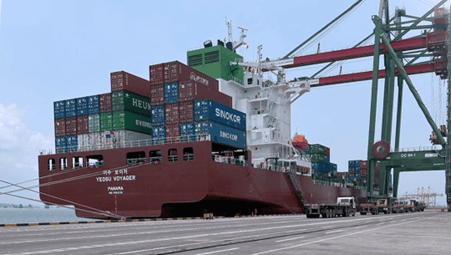
A container vessel operating within a regional liner network required a short operational call at Batam anchorage. The vessel needed to complete several activities within a limited timeframe, including regulatory clearance procedures, spare parts delivery, crew logistics arrangements, and coordination with multiple service providers.
The main operational constraint was time. Container vessels follow fixed schedules across several ports, and extended waiting periods during a port call can affect the entire service rotation. Any delay in regulatory processing, service coordination, or logistics handling could potentially result in additional operational costs or missed sailing schedules.
This situation presented a typical challenge frequently encountered in container ship operations: how to complete several operational tasks within a restricted port stay while maintaining strict schedule discipline.
Identifying Operational Risks
When reviewing the port call plan, several potential operational risks were identified. These risks were not unusual for container ship operations but required careful management to ensure that the vessel’s schedule would not be affected.
The primary risks included:
- possible delays in regulatory clearance procedures
- coordination challenges between multiple service providers
- logistics timing for spare parts delivery to the vessel
- scheduling of launch services for crew movements
If these elements were not properly synchronized, the port call could easily extend beyond the planned operational timeframe.
Strategic Coordination Approach
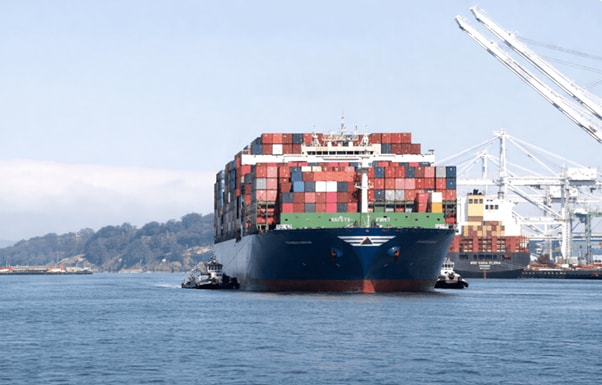
To manage the operational complexity, the port call was approached through structured pre-arrival coordination. Operational information, documentation requirements, and service schedules were reviewed in advance to ensure that all activities could proceed in sequence once the vessel reached Batam.
Several preparatory actions were implemented before the vessel arrived:
- regulatory documentation was prepared and submitted to relevant authorities
- service providers were scheduled according to the vessel’s operational timeline
- logistics arrangements for spare parts delivery were coordinated with local transport providers
- launch services for crew movements were arranged in advance
This preparation ensured that the operational workflow during the port call could proceed efficiently without waiting for administrative or logistical arrangements.
Managing Regulatory Clearance
Regulatory procedures represent one of the most sensitive stages in a port call for container ship operations. In Indonesian ports, vessel clearance involves coordination with customs, immigration, quarantine authorities, and port administration.
To minimize administrative waiting time, all documentation related to the vessel, crew, and operational activities was prepared and verified prior to arrival. Communication with relevant authorities was maintained throughout the preparation phase to confirm documentation requirements and inspection procedures.
As a result, regulatory clearance processes were completed efficiently once the vessel arrived, allowing operational activities to proceed according to schedule.
Coordinating Operational Services
Several operational services were required during the vessel’s stay at Batam anchorage. These included spare parts delivery, crew launch arrangements, and technical logistics support.
Because the available operational timeframe was limited, service scheduling required careful coordination. Launch movements, logistics deliveries, and onboard service activities were arranged in a sequence that aligned with the vessel’s operational plan.
By synchronizing service providers and logistics movements, the operational activities were completed within the planned timeframe without creating congestion or scheduling conflicts.
Operational Results
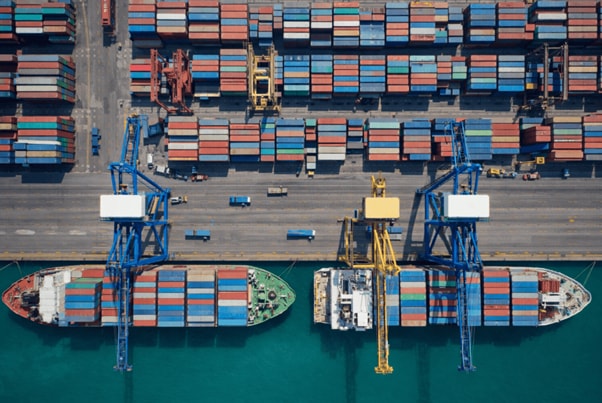
The structured coordination applied during the port call produced measurable operational improvements. Administrative clearance procedures were completed efficiently, service providers were able to perform their tasks without interruption, and logistics deliveries reached the vessel according to schedule.
As a result, the container vessel was able to complete all required activities within the planned port stay and maintain its departure schedule.
The operational outcome demonstrated how proactive coordination can improve efficiency in port call for container ship operations, particularly in ports where multiple services must be performed within a short timeframe.
Practical Lessons
This case highlights an important operational insight. Port efficiency is not determined solely by port infrastructure but also by the quality of operational coordination during the port call.
When documentation preparation, regulatory procedures, logistics planning, and service scheduling are managed systematically, even complex port calls can be completed within tight operational timeframes.
For container vessels operating in Indonesia, particularly in strategic locations such as Batam, structured coordination by an experienced local agency can significantly improve operational reliability.
Demonstrating Local Operational Capability
This case study illustrates how complex operational requirements during a port call for container ship activities can be managed through structured coordination and proactive planning. By preparing documentation in advance, synchronizing operational services, and maintaining continuous communication with port authorities, port call efficiency can be maintained even under time-sensitive conditions.
Operational situations such as this are frequently encountered in Indonesian ports, particularly in busy maritime hubs like Batam where vessels require multiple services within limited port stays. With local operational knowledge, established coordination networks, and practical experience managing diverse vessel requirements, Balancia Ship Agency continues to support container vessel operations with structured, reliable, and efficient port agency services across Indonesian waters.
BALANCIA SHIP AGENCY
HQ Address : Komplex Ruko Golden City Block C No.3A, Batam City, Indonesia 29432
www.balancia.co.id
Mobile Ph. : +628112929654
Office Ph. : +627784883769
References:
- PORT CALL EFFICIENCY. (2021, October). Retrieved from PortXchange: https://port-xchange.com/wp-content/uploads/2021/10/White-Paper-Port-Call-Efficiency.pdf
- Port call optimisation provides critical opportunity for shipping efficiency and emissions reduction. (2025, April 16). Retrieved from Global Maritime Forum: https://globalmaritimeforum.org/news/port-call-optimisation-provides-critical-opportunity-for-shipping-efficiency/