Crew Change Solutions for Global Route Efficiency
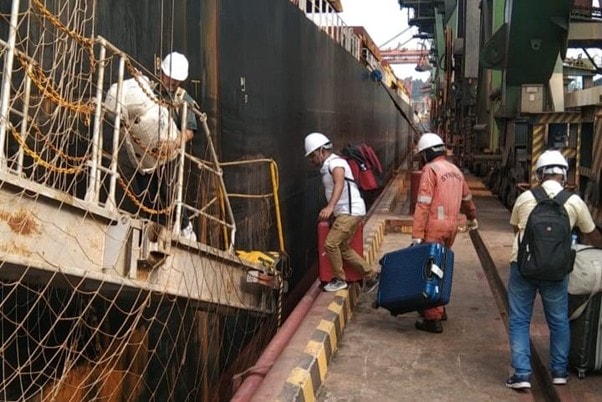
The integration of reliable crew change solutions has become a strategic necessity for shipowners aiming to protect their global route reliability and long-term asset performance. Since maritime operations depend heavily on the well-being and readiness of the crew, the logistics of seafaring transitions must be handled with technical precision and accountability. By prioritizing structured rotations, maritime organizations can better manage cost control and operational certainty in a highly competitive international market.
Crew Change as a Foundation for Route Continuity
Global shipping routes are defined by precision. Vessel schedules, cargo commitments, and port windows rely on predictable operational flow, where personnel transitions are managed without disrupting voyage plans. Crew change directly influences this continuity by ensuring qualified seafarers are available on board at the right time and in the right condition.
Effective crew management aligns personnel rotation with voyage planning rather than treating crew movements as isolated events. When transitions are planned alongside port calls, bunkering, or technical services, vessels maintain operational rhythm across global routes. This approach supports consistency on long haul trades as well as regional services where port turnaround efficiency remains commercially significant.
Managing Complexity Across International Jurisdictions
Crew change operations intersect with immigration regulations, health protocols, aviation logistics, and port authority requirements. Each jurisdiction introduces its own procedures, documentation standards, and approval timelines. Global routes crossing multiple regions therefore demand careful coordination supported by local expertise.
Successful crew change execution depends on accurate documentation, synchronized transport arrangements, and real time communication between ship operators and port agents. Without this coordination, inconsistencies can arise that affect vessel readiness and crew availability. Structured crew management systems help reduce uncertainty by standardizing processes while remaining flexible to regional requirements.
Balancia operates within this complexity through established relationships with local authorities and service providers. This operational presence enables crew change arrangements to be aligned with port conditions rather than adjusted reactively.

Crew Welfare and Operational Stability
Seafarer welfare remains closely linked to operational reliability. Personnel who experience predictable rotation cycles and supportive shore arrangements are better positioned to perform safely and efficiently on board. Crew change planning that considers travel continuity, rest periods, and medical readiness contributes directly to onboard stability.
Global routes often involve extended sea passages and high workload environments. Proper crew management ensures that personnel transitions support physical and mental readiness without compromising vessel operations. These considerations influence navigational performance, maintenance standards, and compliance outcomes across international trades.
Balancia integrates welfare considerations into every crew change arrangement by coordinating medical services, accommodation, and transportation in line with operational schedules. This approach strengthens trust between ship operators and their crews while supporting consistent voyage execution.
Regulatory Alignment Across Global Routes
Maritime regulations governing crew movement continue to evolve under international conventions and port state requirements. Crew change operations must remain aligned with immigration laws, health controls, and maritime labor standards across each port of call.
Non aligned documentation or procedural gaps can expose vessels to inspections and operational restrictions. Crew management therefore requires constant regulatory awareness supported by local coordination. Accurate submission of crew lists, visas, medical certificates, and port clearance documentation forms part of a broader compliance framework.
Balancia’s crew change services are structured around proactive regulatory alignment. Close coordination with immigration authorities and port health offices ensures that crew movements remain compliant across global routes while preserving operational flow.
Technology Supported Coordination
Digital platforms have improved visibility across crew change operations by enabling document tracking, travel updates, and communication between ship and shore. These systems allow crew management teams to anticipate adjustments and respond efficiently to evolving conditions.
Technology alone, however, does not replace operational judgment. Local knowledge and real time decision making remain essential when dealing with flight disruptions, regulatory updates, or port specific requirements. The most effective solutions combine digital coordination with experienced operational oversight.
Balancia applies a balanced approach where digital tools support planning while on site teams manage execution. This structure allows crew change arrangements to adapt without compromising vessel schedules across global routes.

Indonesia as a Strategic Crew Change Location
Indonesia’s geographic position and port infrastructure offer practical advantages for vessels operating across Asia Pacific and intercontinental routes. Access to international airports, medical facilities, and diverse port services supports efficient crew transfers when coordinated effectively.
Balancia’s presence in Batam and other Indonesian ports enables crew change planning to be integrated with bunkering, provisions, and technical services. This integrated coordination reduces logistical complexity and supports efficient port utilization.
Through localized execution supported by centralized planning, crew management activities become aligned with broader route strategies rather than conducted independently.
Balancia’s Integrated Crew Change Framework
Balancia delivers crew change solutions designed around operational clarity, regulatory alignment, and global coordination. Each arrangement is planned in close cooperation with shipowners, managers, and charterers to ensure personnel transitions support voyage objectives.
Local execution teams manage port side activities while centralized coordination maintains consistency across global routes. This structure allows Balancia to support both routine crew rotations and complex multi port operations with equal precision.
Crew change planning is treated as an integrated service that supports vessel performance, compliance standards, and crew welfare throughout the voyage cycle.
BALANCIA SHIP AGENCY
HQ Address : Komplex Ruko Golden City Block C No.3A, Batam City, Indonesia 29432
www.balancia.co.id
Mobile Ph. : +628112929654
Office Ph. : +627784883769
Supporting Global Routes Through Structured Crew Management
Crew change remains a defining element in how vessels operate across international waters. When managed professionally, personnel transitions contribute to safe navigation, predictable scheduling, and long term operational confidence.
Structured crew management ensures that vessels remain prepared to operate across global routes without unnecessary disruption. Balancia’s approach demonstrates how coordinated crew change solutions support both operational efficiency and human sustainability within modern shipping.
As global trade continues to evolve, crew change planning will remain closely connected with route performance and operational resilience across the maritime industry.
References:
- Antwan. (2024, September 15). Crew Change Guide: Best Practices and Essential Information. Retrieved from Fourth Pillar: https://fourthpillar.net/crew-change-guide/
- Crew changes: An overview. (2020, May 4). Retrieved from Safety 4 Sea: https://safety4sea.com/crew-changes-an-overview/