Underwater Cleaning Techniques for Winter Maintenance
The application of specialized underwater cleaning techniques offers vessel operators a clear pathway to sustain efficiency during the demanding winter months. While hull maintenance is often overlooked during peak seasons, the increased scrutiny on fuel economy and carbon emissions during winter makes proactive cleaning a necessity. Implementing these techniques as part of a structured winter maintenance plan ensures that vessels remain resilient and cost-effective despite the seasonal drop in sea temperatures.
The Strategic Importance of Hull Condition in Winter Operations
Colder waters and increased resistance amplify the effects of even minor hull fouling. What may appear negligible during calmer seasons can translate into higher propulsion loads and measurable efficiency losses once winter conditions set in. Increased fuel burn, reduced steering responsiveness, and elevated emissions are natural consequences of compromised hull surfaces.
Underwater cleaning conducted ahead of or during winter maintenance cycles ensures that these risks are addressed proactively. A clean hull enables propulsion systems to operate within optimal parameters, supporting consistent vessel behavior in demanding sea states. This approach reflects disciplined asset management rather than reactive intervention.
Underwater Cleaning as a Proactive Maintenance Decision
Underwater cleaning has evolved beyond a convenience driven alternative to dry docking. It is now recognized as a controlled, technically sound maintenance solution that supports operational continuity. By allowing hull maintenance to be performed while vessels remain afloat, underwater cleaning aligns maintenance execution with commercial realities.
Advanced tools and methodologies enable fouling removal to be matched precisely to hull coating specifications. This level of control ensures cleaning effectiveness while preserving coating performance, which remains fundamental to corrosion protection and long term asset value. During winter, when operational flexibility is reduced, such precision becomes essential.
Eco-Cleaning and Environmental Accountability
Environmental stewardship has become inseparable from technical maintenance decisions. Eco-cleaning approaches reflect this shift by prioritizing containment, filtration, and responsible disposal of removed fouling material. These systems are designed to prevent the release of invasive species and debris into surrounding waters, particularly in ports with strict environmental controls.
Eco-cleaning strengthens regulatory alignment while delivering operational benefits. Reduced hydrodynamic resistance leads directly to lower fuel consumption and decreased emissions output. These outcomes support broader sustainability commitments and reinforce credibility with charterers, regulators, and stakeholders who increasingly expect measurable environmental responsibility.
Technologies Supporting Winter Underwater Cleaning
Winter maintenance demands reliability and consistency. Modern underwater cleaning technologies are engineered to deliver both. Soft brush systems are widely applied for routine fouling removal, ensuring coating preservation while restoring smooth hull surfaces. Where fouling is more established, controlled mechanical systems provide deeper cleaning without compromising coating integrity.
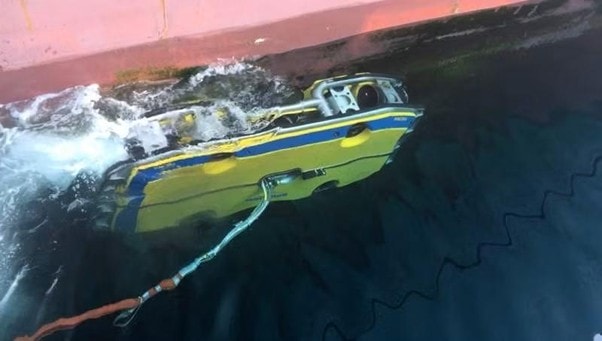
Remotely operated cleaning solutions have gained prominence due to their ability to maintain consistent performance under challenging conditions. Reduced reliance on diver exposure enhances safety, while real time monitoring ensures quality control throughout the operation. These capabilities are particularly valuable during winter when environmental conditions limit operational windows.
Operational Gains During the Winter Season
The benefits of underwater cleaning become most apparent during winter operations. Fuel efficiency gains contribute directly to cost control during a period characterized by higher energy demand. Improved maneuverability enhances safety during port approaches under limited visibility or adverse weather. These factors collectively reinforce operational resilience.
Underwater cleaning also supports optimized maintenance planning. By reducing dependency on immediate dry docking, vessels retain operational availability while maintaining hull performance. This flexibility enables operators to navigate winter schedules with greater certainty and reduced disruption.
Managing Risk and Safety During Winter Cleaning Operations
Winter underwater cleaning requires disciplined planning and experienced execution. Environmental factors such as water temperature, visibility, and weather patterns are assessed in advance to ensure operational suitability. Equipment selection and operational procedures are adapted accordingly.
Engaging qualified service providers remains essential. Certified operators apply standardized methodologies that protect hull coatings, safeguard personnel, and ensure regulatory compliance. Effective coordination with port authorities and vessel crews allows underwater cleaning to be conducted efficiently and responsibly.
Integrating Underwater Cleaning into Long Term Asset Strategy
Winter maintenance should not be viewed in isolation. Underwater cleaning provides valuable insights into hull condition and coating performance, supporting informed long term planning. Data gathered during cleaning operations informs future maintenance intervals and investment decisions.
When integrated into a structured maintenance framework, underwater cleaning contributes to predictable operating costs, sustained performance, and regulatory alignment. Eco-cleaning further enhances this framework by aligning operational efficiency with environmental accountability.
Positioning Vessels for Winter Readiness
Winter readiness extends beyond machinery checks and crew preparedness. Hull condition directly influences how a vessel performs when conditions are least forgiving. Underwater cleaning offers a technically sound and commercially practical solution to maintain performance integrity throughout the season.
By adopting advanced underwater cleaning techniques and eco-cleaning practices, vessel operators demonstrate disciplined management, environmental awareness, and operational foresight. This approach ensures that vessels remain efficient, compliant, and competitive throughout winter operations and well beyond.
Need for Underwater Cleaning Services in Batam Indonesia? Contact Us Now!
BALANCIA SHIP AGENCY
HQ Address : Komplex Ruko Golden City Block C No.3A, Batam City, Indonesia 29432
www.balancia.co.id
Mobile Ph. : +628112929654
Office Ph. : +627784883769
References:
- Essential Hull Cleaning Techniques: Maximizing Vessel Performance. (n.d.). Retrieved from Global Marine Heritage: https://globalmarineheritage.com/hull-cleaning-techniques-vessel-performance/
- Revolutionizing Hull Cleaning: 20 Technologies That Could Save Millions. (2024, December 16). Retrieved from Ship Universe: https://www.shipuniverse.com/revolutionizing-hull-cleaning-20-technologies-that-could-save-millions/