Building a Better Crew Change Process for Multinational Crews
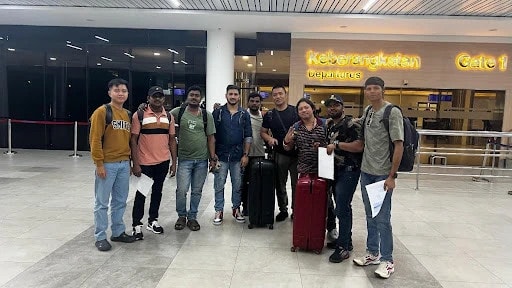
Managing crew changes is a normal part of shipping operations, but things become more complex when crews come from different countries. Each person may have different travel documents, cultural needs, and language backgrounds. This means a simple crew change becomes a carefully planned process. Ship agencies now use better systems, stronger coordination, and smarter tools to support these multinational crews and make the transition smooth for everyone involved.
Planning Ahead for Seamless Multinational Crew Changes
Before a crew change happens, a good plan must be made. When crew members are from different countries, early planning becomes even more important. Different passport types, visa requirements, public holidays, and even airport schedules must all be checked in advance. If one crew member’s visa is delayed, it can hold up the entire process.
Ship agencies that serve multinational crews have started working on long-term schedules with vessel operators. These schedules include regular updates from manning agencies, port authorities, and embassies. Crew member data is checked weeks before arrival. Through early coordination, last-minute problems like missing documents or denied boarding can be avoided. This careful preparation shows that multinational crews require more than just transport—they need time and detail in every step of the process.
Training Ship Agency Staff to Handle Multinational Crews
In a successful crew change, the professionalism of ship agency staff often makes the biggest difference. These frontline teams are the first to meet multinational crew members when they arrive in a foreign port, so they must be equipped to manage cultural differences, communication barriers, and complex travel needs with care and precision.
To support this, many ship agencies now provide targeted training for their staff. These sessions focus on cultural sensitivity, basic maritime phrases in various languages, and knowledge of international visa and travel procedures. Staff are taught to recognize different customs and practices so they can assist crew members respectfully and efficiently.
By preparing their teams in this way, ship agencies ensure smoother interactions at every step of the crew change. Trained staff can solve problems quickly, offer clear guidance, and create a welcoming environment for crew members from any background. This preparation leads to faster turnarounds and a more professional service that benefits both the ship and its people.
Using Digital Systems to Track Crew Changes
Technology is now playing a large role in managing multinational crews. Ship agencies have started using crew change software to manage timelines, paperwork, and communication. This helps the agency avoid mistakes and delays, especially when crew members speak different languages or come from different regions.
Digital crew management systems are used to check visa statuses, flight schedules, and health records. Notifications are sent to the ship, the agent, and the crew member to make sure everyone is ready. Some systems allow real-time updates when plans change, such as delayed flights or weather problems. These tools help ship agencies manage multinational crew changes more easily, even when things do not go according to plan.
Working with Local Partners for Better Services
Multinational crew changes often require help from more than just one company. In some ports, special partnerships with hotels, hospitals, and transport companies are formed. These partnerships make it easier to offer safe and comfortable services to crew members from different countries.
Local service providers who understand the needs of international seafarers can support ship agencies during crew changes. For example, hotels with experience hosting Muslim crew members will prepare meals for Ramadan. Hospitals familiar with IMO health forms will complete the documents properly and quickly. These small services make a big difference in how multinational crew members experience their time ashore. By building strong partnerships with trusted local providers, ship agencies can give more respectful and efficient care to the crew.
Supporting Both Returning and Incoming Crew Members
During a crew change, both off-signing (returning) and on-signing (joining) crew members face different challenges, and ship agencies are responsible for supporting both groups equally. Off-signing crew members often feel tired after completing their contract at sea and look forward to a smooth journey home. Ship agency staff assist them with customs clearance, medical checks if needed, and reliable transport to the airport. If there are delays, temporary accommodation and meals must also be arranged with care and attention to personal comfort.
At the same time, incoming crew members may be arriving in an unfamiliar country with different rules, languages, and expectations. Ship agency teams help them through immigration procedures, guide them to the correct transport, and offer basic orientation to local conditions or port regulations. These small but essential acts of support help crew members feel safe and prepared to begin their duties on board. Whether joining or returning, the crew relies on the ship agency’s efficiency and understanding to make their transition as stress-free as possible.
Conclusion
Changing crew on international ships is not always easy, especially when the crew comes from many different countries. Each person brings a different language, culture, and travel requirement. This makes the crew change process more detailed and sensitive. But with the right support from trained ship agencies, this process can become smooth, respectful, and safe. Agencies like Balancia are showing how multinational crew changes can be done well by focusing on planning, teamwork, and care for every crew member.
BALANCIA SHIP AGENCY
HQ Address : Komplex Ruko Golden City Block C No.3A, Batam City, Indonesia 29432
www.balancia.co.id
Mobile Ph. : +628112929654
Office Ph. : +627784883769
References:
- Brenker, M., Möckel, S., Küper, M. et al. Challenges of multinational crewing: a qualitative study with cadets. WMU J Marit Affairs 16, 365–384 (2017). https://doi.org/10.1007/s13437-016-0117-5
- Strategies for Effective Multinational Crew Management . (2024, May 14). Retrieved from Virtual maritime: https://www.virtualmaritime.academy/multinational-crew-management/