Case Study: Successful Crew Change Management During the COVID-19 Pandemic in Indonesia
Several years after the height of the COVID-19 pandemic, the experience still shapes how crew change management is approached in Indonesia. Those months were not simply a period of stricter regulation. They represented a time when familiar procedures disappeared almost overnight. Travel corridors closed, health protocols shifted repeatedly, and administrative approvals became uncertain. If you were managing vessels during that period, you will recall how even a routine crew rotation could turn into a complex coordination exercise. Looking back now offers more than reflection. It provides perspective on how structured preparation and steady execution can sustain operations under extreme pressure.
When Routine Crew Changes Became Unpredictable
Before the pandemic, crew change management in Indonesia followed a structured and generally predictable flow. Immigration clearance, transport arrangements, and port health procedures were well established. During COVID-19, however, that predictability dissolved. Entry permits were revised frequently, quarantine obligations varied by province, and documentation requirements evolved with little advance notice.
You may remember how flight availability changed within days, sometimes within hours. A confirmed travel plan could quickly require adjustment. In such an environment, crew change management demanded constant monitoring of regulatory updates and transport conditions. Coordination had to remain flexible while still maintaining compliance discipline.
Compliance Under Continuous Regulatory Adjustment
Health documentation became central to every crew movement. PCR testing schedules, quarantine confirmations, vaccination records, and health declarations required careful alignment with the most recent circulars and ministerial instructions. Authorities examined documentation closely, and sequencing errors could result in rejection.
Effective crew change management during that period required more than administrative submission. It required awareness of how regulations were being applied at port level and how local authorities interpreted central guidance. By maintaining structured oversight and consistent communication with immigration and port health offices, approvals were secured even as frameworks evolved. If you were overseeing vessels at that time, you likely experienced how small inaccuracies could escalate quickly. Precision therefore became indispensable.
Balancing Safety with Operational Continuity
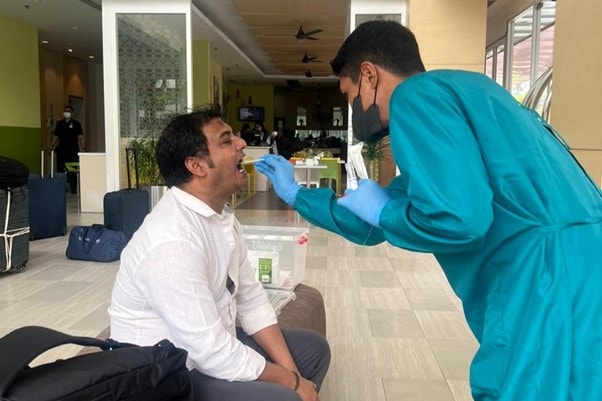
Crew welfare became one of the most pressing concerns of the pandemic. Extended contracts and uncertainty regarding repatriation placed significant strain on seafarers worldwide. Ensuring that embarkation and disembarkation could proceed safely was not only a regulatory requirement but also a human responsibility.
Transport arrangements were organised under controlled conditions, accommodation was selected with health standards in mind, and quarantine procedures were observed without compromise. These measures supported both safety and operational continuity. For vessel managers, the question was not only whether crew could travel, but whether they could do so in a manner consistent with health obligations and company standards.
Coordinating Logistics Amid Restricted Mobility
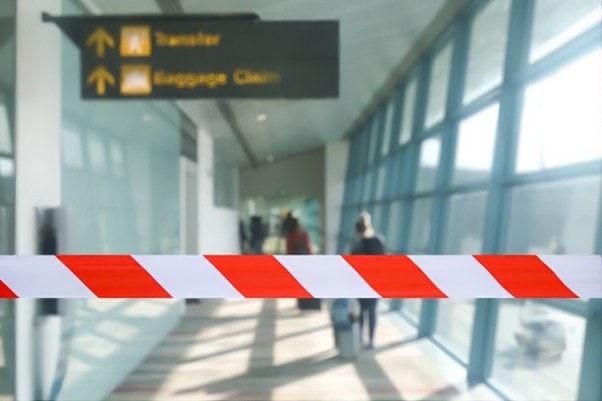
Logistics during the pandemic required scenario planning at every stage. International connections were limited, domestic travel required additional clearances, and sudden restrictions could disrupt carefully prepared itineraries. Each crew change therefore involved contingency preparation alongside the primary arrangement.
Clear sequencing between airport transfer, health verification, documentation review, and vessel boarding was essential. When adjustments became necessary, plans were recalibrated promptly to preserve the rotation schedule. If you were coordinating crew movements at that time, you will recognise how adaptability became a daily requirement rather than an exception.
Demonstrating Capability Under Pressure
Periods of stability rarely test operational capacity in a meaningful way. The pandemic, however, required ship agencies to demonstrate disciplined execution under sustained uncertainty. Crew change management during that time involved regulatory interpretation, logistical coordination, and continuous stakeholder engagement.
Despite these pressures, crew embarkation and disembarkation were conducted without prolonged disruption. Structured planning and close alignment with local authority expectations supported consistent outcomes. This experience demonstrated that even in the face of global constraint, operational clarity and compliance control could still be maintained.
Support from an experienced local partner such as Balancia Ship Agency provided continuity during those challenging months. Familiarity with port level implementation and authority practice strengthened coordination when external conditions were unpredictable.
Lessons That Continue to Guide Crew Change Management
Today, several years after the most restrictive phase of the pandemic, crew change management in Indonesia operates within a more stable environment. Nevertheless, the lessons learned remain highly relevant. Early regulatory monitoring, disciplined documentation control, and structured logistical planning continue to strengthen execution.
If the past few years have shown anything, it is that operational resilience is built long before a crisis emerges. The experience of managing crew rotations during COVID-19 serves as a practical reminder that structured coordination and local insight can sustain performance even when external conditions are at their most challenging.
BALANCIA SHIP AGENCY
HQ Address : Komplex Ruko Golden City Block C No.3A, Batam City, Indonesia 29432
www.balancia.co.id
Mobile Ph. : +628112929654
Office Ph. : +627784883769
References:
- COVID-19 crew change crisis still a challenge – IMO Secretary-General . (2021, March 19). Retrieved from IMO: https://www.imo.org/en/mediacentre/pressbriefings/pages/crew-change-covid-19.aspx
- FACILITATING SAFE CREW CHANGES AND SUPPORTING SEAFARER WELLBEING DURING THE COVID-19 PANDEMIC. (2022, September 8). Retrieved from Healthy Gateways: https://www.healthygateways.eu/Portals/0/plcdocs/EUHG_CrewChange_F.pdf?ver=2022-09-08-144710-337