Husbandry Services for Livestock Carriers: Specific Considerations in Indonesian Ports
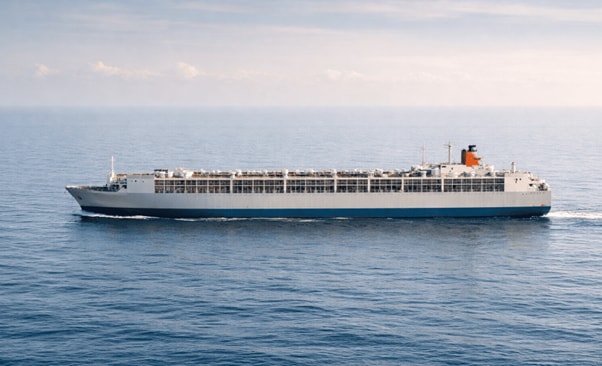
Livestock carriers bring a different operational dynamic. Unlike conventional cargo, live animals require continuous care, controlled conditions, and strict regulatory compliance throughout the port stay. These unique husbandry requirements must be managed carefully to maintain animal health, meet port regulations, and avoid operational disruptions.
Animal Welfare Onboard
Livestock carriers are designed to support animal well-being during long voyages, but conditions must remain stable even during port operations. Animals require proper ventilation, sufficient space, regular feeding, and continuous access to clean water.
During port stay, these conditions can be affected by external factors such as temperature changes, reduced airflow due to vessel positioning, or delays in operational activities. Even short disruptions can increase stress levels, which may impact the overall condition of the animals.
Maintaining a stable onboard environment becomes essential. This includes ensuring ventilation systems continue to function properly, feed routines are not interrupted, and water supply remains consistent. Port operations must be aligned in a way that supports these conditions rather than disrupts them.
During port stay, these conditions can be affected by external factors such as temperature changes or reduced airflow. Maintaining a stable environment is a round-the-clock job that places significant demands on the people onboard. For this reason, ensuring comprehensive support for crew welfare is just as critical as the technical husbandry tasks. When the crew is well-supported and rested, they are better equipped to manage the high-intensity monitoring required to keep livestock healthy during a port call.
Quarantine and Veterinary Requirements
Livestock movements are subject to strict veterinary and quarantine controls in Indonesia. Animals must be accompanied by valid health certificates and documentation, confirming their condition prior to arrival.
Upon arrival, inspections may be carried out to verify compliance with local health regulations. These checks are important not only for regulatory purposes but also to prevent the spread of disease. Any inconsistency in documentation or delays in inspection scheduling can lead to extended waiting time or operational delays.
Preparation plays a key role here. Ensuring that all documents are complete, accurate, and aligned with Indonesian requirements allows clearance processes to proceed more efficiently and reduces the risk of unexpected issues during port stay.
Waste Management and Environmental Control
Handling live animals naturally generates significant amounts of waste, and managing this properly is a critical part of port operations.
Waste must be handled in accordance with environmental regulations, using approved disposal methods. Direct discharge is typically not permitted, and all handling must comply with port authority requirements. Failure to meet these standards can result in penalties or restrictions on vessel operations.
At the same time, maintaining onboard hygiene is essential for animal health. Poor sanitation can increase the risk of disease and negatively affect animal condition during the voyage. Waste handling during port stay must therefore be carried out in a controlled and compliant manner.
Continuous Feed and Water Supply
Livestock carriers depend on a continuous supply of feed and fresh water. Consumption levels are high, especially on voyages with large numbers of animals, and any disruption can quickly affect animal welfare.
Supply arrangements must ensure that feed and water are delivered on time and in sufficient quantities. The quality of these supplies is equally important, as it directly impacts the health of the animals onboard.
Depending on the port, delivery may take place alongside or through barge services. Regardless of the method, reliability and timing are critical to ensure that feeding schedules remain consistent throughout the port stay.
Managing Conditions During Port Stay
Port environments are often busy and dynamic, with ongoing vessel movements, cargo operations, and external disturbances. For livestock carriers, these conditions must be managed carefully.
Noise, vibration, and extended waiting time can contribute to animal stress. In some cases, prolonged exposure to such conditions may affect feeding behavior and overall health. Maintaining stable onboard conditions requires minimizing unnecessary delays and ensuring that operations are carried out efficiently.
Well-coordinated port activities help reduce the impact of these external factors, allowing onboard conditions to remain as stable as possible.
Adapting to Port Infrastructure Differences
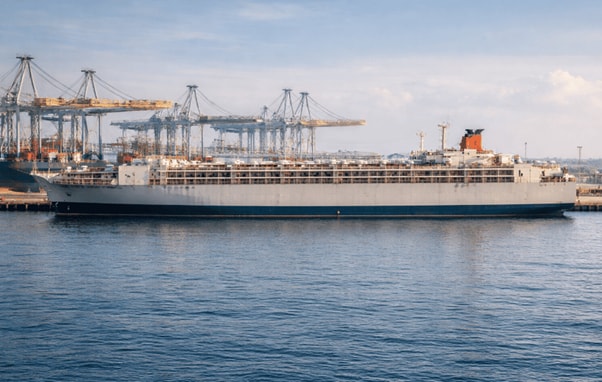
Infrastructure capabilities vary across Indonesian ports. Larger ports may provide more complete facilities, including veterinary services, waste handling systems, and supply access. However, smaller or remote ports may have more limited support.
Operations must be planned with these differences in mind. In locations where infrastructure is limited, alternative arrangements may be required to ensure that all operational and regulatory needs are still met.
Flexibility and preparation are essential to maintain consistent standards, regardless of where the vessel is calling.
Maintaining Compliance and Operational Stability
Livestock carriers require a higher level of attention during port calls. Animal welfare, regulatory compliance, hygiene, and supply continuity must all be maintained at the same time.
These elements are closely connected. A delay in inspection, a disruption in supply, or improper waste handling can quickly affect the entire operation. Maintaining balance across all these aspects ensures that the port call remains efficient while protecting the condition of the livestock onboard.
By addressing these unique husbandry requirements, operations in Indonesian ports can remain controlled, compliant, and stable, supporting both the voyage and the well-being of the animals throughout the process.
BALANCIA SHIP AGENCY
HQ Address : Komplex Ruko Golden City Block C No.3A, Batam City, Indonesia 29432
www.balancia.co.id
Mobile Ph. : +628112929654
Office Ph. : +627784883769
References:
- How is Livestock Transportation Done Using Livestock Carriers? (2019, January 26). Retrieved from Marine Insight: https://www.marineinsight.com/how-is-livestock-transportation-done-using-livestock-carriers/
- Livestock Carriers. (n.d.). Retrieved from Sea Rates: https://www.searates.com/reference/vessels/livestock/