

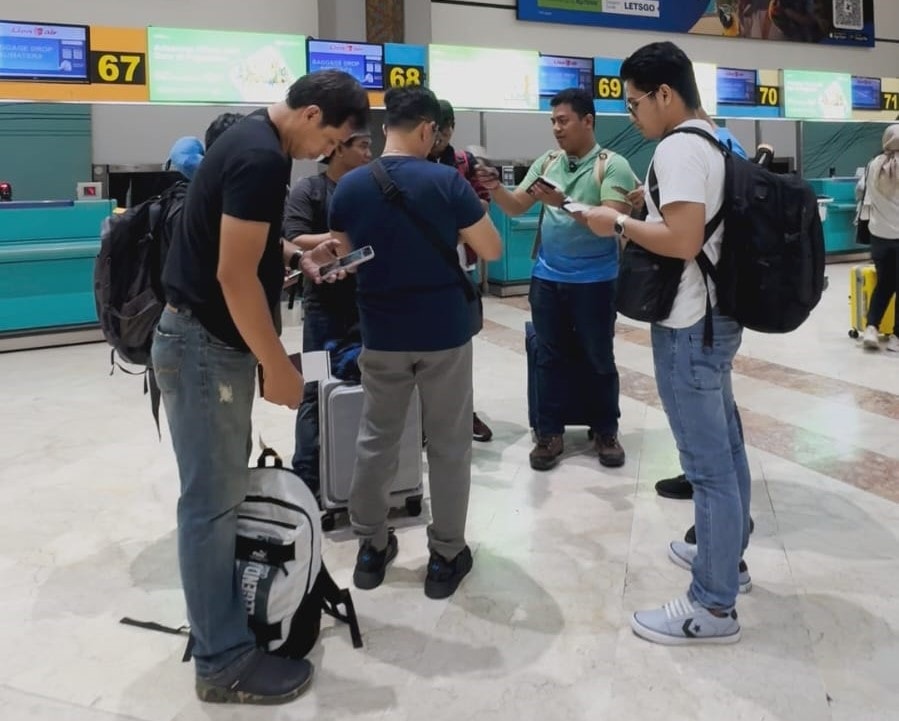
Common Delays in Crew Change and How to Prevent Them
Swapping tired seafarers for rested ones via crew change is key to uninterrupted maritime operations across the seas. But delays in crew change, sparked by visa delays, flight problems, port policies, weather shifts, or document gaps, often upset schedules and strain resources. These disruptions hit seafarers and shipping lines hard. Knowing and countering these delays in crew change leads to a slick, effective process always.
Visa and Immigration Issues
One of the most frequent reasons for crew change delays is visa and immigration problems. Many countries have strict visa requirements, and any delay in processing applications can prevent crew members from entering or leaving a country as planned. Sometimes, unexpected rule changes or additional document requirements create further complications, leading to last-minute cancellations. Crew members who require transit visas may also face problems if their layover country denies entry.
To prevent such issues, shipping companies must ensure that all visa applications are submitted well in advance. Working with a reliable ship agency can help, as they have experience handling visa and immigration matters efficiently. Additionally, crew managers should stay updated on the latest immigration policies in different countries to avoid any unexpected changes. Keeping all necessary documents ready and double-checking for any errors before submission can also help avoid unnecessary delays.
Flight and Transportation Disruptions
International flights play a crucial role in crew change, but flight delays and cancellations are common issues. Bad weather, airline strikes, technical issues, and route changes can make it difficult for crew members to reach their destinations on time. In some cases, sudden changes in airline policies or ticket availability can leave crew members stranded at airports, leading to further delays. Transportation between the airport and the port can also be affected by road traffic, local restrictions, or unexpected security checks.
To minimize these risks, it is advisable to book flight tickets that allow flexibility in case of schedule changes. Crew managers should always have backup travel plans and ensure that alternative flights are available. Maintaining close communication with airlines, travel agencies, and local transport providers can help resolve last-minute disruptions. Additionally, providing crew members with clear travel instructions and emergency contact numbers can ensure smoother coordination.
Port Restrictions and Regulations
Every port has different rules and restrictions regarding crew changes, and these regulations can change suddenly. Some ports may require additional health checks, quarantine periods, or special entry permits, which can lead to long delays. In other cases, crew changes may only be allowed at specific times, making it difficult to coordinate with travel schedules. Certain ports may also impose temporary bans on crew changes due to local outbreaks of infectious diseases or security concerns.
To avoid delays caused by port restrictions, shipping companies should always check the latest regulations before planning a crew change. Keeping in touch with local authorities and working with an experienced ship agency can help ensure that all requirements are met in advance. Planning crew changes in ports with fewer restrictions can also be a strategic way to avoid unnecessary delays. Additionally, having all necessary permits and clearances ready before arrival can help speed up the process.
Weather Conditions
Unpredictable weather conditions can also cause significant delays in crew change operations. Strong winds, heavy rain, rough seas, and storms can make it unsafe for crew members to board or leave a vessel. In extreme cases, ports may suspend all crew change activities until weather conditions improve. This can be especially challenging for ships operating in remote areas where alternative crew change options are limited.
Since weather conditions cannot be controlled, the best way to minimize delays is through careful planning. Crew managers should monitor weather forecasts closely and schedule crew changes when conditions are expected to be stable. If bad weather is predicted, alternative arrangements, such as using a different port or adjusting schedules, should be considered. Ship agencies and port authorities can provide useful updates on local weather conditions, helping companies make informed decisions.
Incomplete or Incorrect Documentation
Paperwork issues are another common cause of crew change delays. Missing or incorrect documents such as passports, seafarer certificates, medical reports, and employment contracts can result in crew members being denied entry or exit. Even minor errors, such as incorrect spellings or mismatched dates, can cause significant problems with immigration and port authorities. Some countries require specific health certifications or background checks, and failing to provide them on time can lead to delays.
To avoid documentation-related delays, shipping companies should ensure that all necessary documents are properly checked and verified before the crew change begins. Having digital copies of important papers can also be helpful in case of lost or damaged documents. Crew members should be reminded to keep their personal documents updated and provide them to the company well in advance. A final verification check before travel can help catch any errors and ensure that all paperwork is in order.
Unexpected Health Issues
Another factor that can delay crew changes is unexpected health issues among crew members. Some countries require medical examinations before crew members can disembark, and if any health concerns arise, the process may be delayed. Additionally, sudden illnesses or injuries can prevent a crew member from traveling as planned. During global health crises, such as the COVID-19 pandemic, extra health screenings and quarantine requirements have made crew changes even more complicated.
To reduce health-related delays, it is important for crew members to undergo medical check-ups before traveling. Having medical insurance and access to healthcare services can also help address unexpected health concerns. Shipping companies should stay informed about health regulations in different ports and ensure that crew members have all required vaccinations and medical clearances before their journey.
Conclusion
Crew change delays can create frustration and operational challenges, but with proper planning and coordination, many of these issues can be prevented. By ensuring visa arrangements are made in advance, booking flexible travel options, staying updated on port regulations, monitoring weather conditions, and verifying all necessary documents, shipping companies can significantly reduce the risk of delays.
A smooth and timely crew change benefits both seafarers and shipping companies by maintaining efficiency, ensuring safety, and promoting crew well-being. With the right preparation and support, common obstacles can be minimized, making the process easier for everyone involved.
References:
- Afif, A. S., Amrullah, R. A., & Andromeda, V. F. (2023). Study case strategy to prevent delays in crew change on board during the Covid-19 pandemic. THE PROCEEDINGS OF THE 5TH INTERNATIONAL CONFERENCE ON MARITIME EDUCATION AND TRAINING (The 5th ICMET) 2021. Makassar: AIP Publishing.
- Solving the crew change challenge. (2020, December 8). Retrieved from Iss Shipping: https://www.iss-shipping.com/solving-the-crew-change-challenge/
Need For Crew Change in Batam Indonesia? Contact Us Now!
BALANCIA SHIP AGENCY
HQ Address : Komplex Ruko Golden City Block C No.3A, Batam City, Indonesia 29432
www.balancia.co.id
Mobile Ph. : +628112929654
Office Ph. : +627784883769