Understanding Palm Oil Tankers: Types, Sizes, and Operational Needs
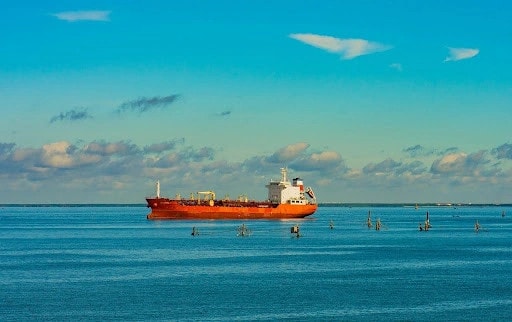
Palm oil is one of the most widely traded edible oils in the world, and its transportation by sea requires vessels designed with specific technical features. These ships, commonly categorized as chemical tankers, must meet strict requirements to ensure the quality of the palm oil during long voyages. Although palm oil is not considered hazardous, it demands precise handling to maintain its purity and consistency from origin to destination.
Tanker Classifications for Palm Oil Transport
Chemical tankers are built to carry a wide range of cargoes, including oils, chemicals, and other liquid products. For palm oil, tankers classified as Type 3 are typically used. This classification is suitable for substances that pose low environmental and safety risks. While palm oil is safe compared to many chemical cargoes, it still requires careful handling to prevent contamination and preserve product integrity.
Most palm oil tankers are equipped with epoxy-coated tanks, which are ideal for transporting vegetable oils. Epoxy coatings help ensure that the oil does not react with the tank surface and are relatively easy to clean between voyages. In some cases, stainless steel or zinc-coated tanks may be used, but epoxy remains the standard due to its balance of performance and cost. Maintaining tank cleanliness is crucial, especially when switching between different edible oils or grades of palm oil.
Temperature Control During Transport
Unlike some liquid cargoes that can be shipped at ambient temperatures, palm oil must be kept within a specific temperature range, usually between 32°C and 40°C. If the oil cools below this range, it can solidify and become difficult to discharge upon arrival.
To avoid this issue, palm oil tankers are fitted with heating systems, most often using steam coils installed at the bottom of the tanks. These systems keep the cargo warm and in a liquid state throughout the voyage. Even a short interruption in heating can result in delays during unloading, making temperature control one of the most important aspects of palm oil transport.
Tanker Sizes Commonly Used
The size of the tanker used for palm oil shipping depends on the route, port restrictions, and the size of the cargo. For regional distribution, especially within Southeast Asia, Coaster vessels are a common choice. These are smaller ships designed for short-distance coastal trade and are ideal for moving palm oil from Indonesia to countries like Malaysia, Vietnam, or the Philippines.
For longer international routes, Handysize and Panamax tankers are more widely used. Handysize vessels, typically ranging from 15,000 to 35,000 deadweight tons (DWT), are versatile and can access many ports that larger ships cannot. Panamax tankers, with capacities up to 80,000 DWT, are suitable for large shipments, especially to major markets such as India, China, and the European Union. Their size is optimized for passing through the Panama Canal, making them efficient for transcontinental trade.
Trade Patterns and Voyage Trends
Palm oil is primarily exported from Indonesia and Malaysia, with Indonesia being the world’s largest producer. Among the busiest trade routes is the shipment of palm oil from Indonesia to India, which remains one of the top importers of the commodity. While large tankers are used for bulk shipments, Coaster vessels remain the most frequently used in terms of voyage numbers. This reflects the need for flexibility and regular delivery schedules, especially for smaller ports or partial shipments.
Interestingly, even large Panamax-class ships are often not filled to full capacity when carrying palm oil. This is due to cargo segregation needs, where tankers carry different oil types or grades in separate tanks. As a result, voyages are often optimized for product separation rather than sheer volume.
Additional Considerations for Palm Oil Shipping
One of the key requirements in palm oil shipping is clean tank conditions. If a vessel previously carried a different product, whether another edible oil or a light chemical, comprehensive cleaning must take place before loading palm oil. Food safety standards demand that no residues are left behind, as even small amounts of contamination can affect the oil’s quality and saleability.
Another aspect is the compatibility of cargoes on the same voyage. Since palm oil tankers often carry several different products simultaneously, careful planning is needed to avoid mixing incompatible oils. Each voyage is carefully planned using cargo compatibility charts, and crew must be trained in proper loading and discharge procedures to maintain the cargo’s purity.
BALANCIA SHIP AGENCY
HQ Address : Komplex Ruko Golden City Block C No.3A, Batam City, Indonesia 29432
www.balancia.co.id
Mobile Ph. : +628112929654
Office Ph. : +627784883769
References:
- A Guide to Chemical Tanker Types for Palm and Edible Oils. (2021, March 25). Retrieved from AgFlow: https://www.agflow.com/commodity-trading-101/a-guide-to-chemical-tanker-types-for-palm-and-edible-oils/
- Vegetable/Palm Oil Tankers: cargo tank cleaning procedures and cleanliness standards. (2020, December 18). Retrieved from Maritime Mutual: https://maritime-mutual.com/risk-bulletins/vegetable-palm-oil-tankers-cargo-tank-cleaning-procedures-and-cleanliness-standards/