
Case Study: Handling a Medical Emergency for a Seafarer in Indonesia
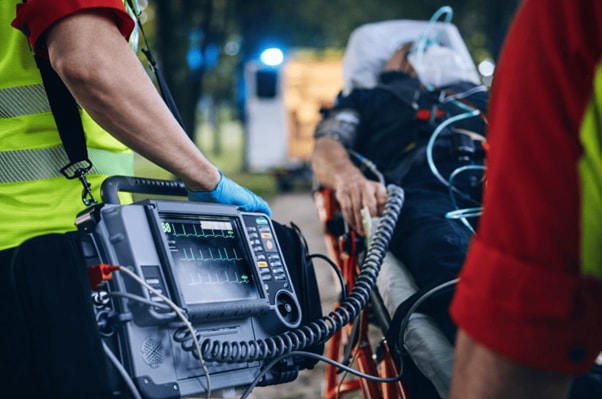
Effectively handling a medical emergency is crucial for maintaining seafarer health, particularly when a vessel is docked at an indonesia port. This case study outlines the critical steps taken when a crew member fell ill during a scheduled stopover, highlighting the logistical and regulatory challenges involved in maritime healthcare. Immediate action was required to navigate local laws while ensuring the patient received timely care without delaying the vessel’s schedule.
Operational Situation
During a routine voyage in Indonesian waters, a vessel reported that one of its crew members had developed serious health symptoms that required urgent medical attention ashore. The vessel was positioned at anchorage and immediate coordination was required to arrange medical evacuation.
When your vessel faces this type of situation, several operational elements must be handled simultaneously. Transportation from the vessel to shore must be arranged quickly, regulatory permissions must be secured, and hospital admission must be prepared before the patient arrives.
Without structured coordination, delays may occur at multiple stages of the process, potentially affecting both the health of the crew member and the vessel’s operational schedule.
Identifying Operational Priorities
Once the medical emergency was reported, the situation required immediate assessment. The primary objective was to ensure that the crew member could reach professional medical care as quickly as possible while ensuring that all regulatory procedures were handled correctly.
Several priorities were identified for immediate coordination:
- confirmation of the seafarer’s medical condition and urgency level
- arrangement of launch transportation from your vessel to shore
- preparation of immigration and port authority clearance
- coordination with a hospital capable of receiving the patient
Each of these steps had to be arranged in a structured sequence to ensure that the medical transfer could proceed without interruption.
Coordinating Medical Evacuation
Because the vessel was located at anchorage, launch transportation had to be arranged to transfer the crew member safely from your vessel to shore.
Communication was maintained with the vessel throughout the process to monitor the condition of the seafarer and confirm readiness for transfer. At the same time, relevant port authorities were informed about the emergency situation so that operational permissions could be arranged quickly.
By organizing transportation and regulatory coordination simultaneously, the evacuation process could proceed efficiently without unnecessary waiting time.

Managing Immigration and Port Formalities
Medical evacuation of a crew member requires compliance with immigration and port authority procedures. Even during urgent situations, the required documentation must be prepared and submitted properly to allow the crew member to enter the country for medical treatment.
Documentation related to the vessel and the affected crew member was prepared and submitted to the relevant authorities. Close communication with immigration officers helped ensure that emergency clearance procedures could be processed efficiently.
Once authorization was obtained, the seafarer was transferred from your vessel to shore and transported directly to a designated hospital.
Coordinating Hospital Admission and Medical Support
Prior coordination with a local medical facility ensured that the hospital was prepared to receive the patient upon arrival. Transportation from the port area to the hospital was arranged in advance so that admission procedures could begin immediately.
Upon arrival at the hospital, medical personnel were already informed about the case and prepared to conduct an immediate medical assessment.
Throughout the process, regular updates were communicated to the vessel’s management so that the progress of the medical situation could be monitored.
Operational Outcome
Through rapid coordination and careful handling of each operational step, the medical emergency for a seafarer was managed efficiently. The crew member was safely transferred from the vessel and received timely treatment at a local hospital.
At the same time, regulatory procedures were completed in accordance with local requirements, ensuring that your vessel remained compliant with port authorities while the emergency situation was being managed.
This structured approach allowed the vessel to maintain operational stability while prioritizing the welfare of the affected crew member.
Practical Considerations for Vessel Operators
Medical emergencies onboard can occur without warning. When your vessel encounters a medical emergency for a seafarer in Indonesian waters, rapid coordination with local authorities, transportation providers, and medical facilities becomes essential.
Efficient handling of such situations requires advance knowledge of local procedures, reliable service networks, and the ability to coordinate multiple operational elements within a short timeframe.
When these elements are managed properly, the affected crew member can receive medical attention quickly while minimizing operational disruption for your vessel.
Supporting Crew Welfare in Indonesian Waters
This case illustrates how medical emergencies require coordinated action between vessel operators, port authorities, immigration officials, and medical providers. Effective response depends not only on logistics but also on familiarity with local procedures and operational networks.
Through practical experience across Indonesian ports and anchorages, Balancia Ship Agency continues to support vessels when urgent situations arise, ensuring that medical emergencies are handled with prompt coordination and careful attention to crew welfare while maintaining orderly vessel operations.
BALANCIA SHIP AGENCY
HQ Address : Komplex Ruko Golden City Block C No.3A, Batam City, Indonesia 29432
www.balancia.co.id
Mobile Ph. : +628112929654
Office Ph. : +627784883769
References:
- Joshi, A. (2019, February 26). 5 Methods Of Medevac at Sea. Retrieved from Marine Insight: https://www.marineinsight.com/guidelines/5-methods-for-medevac-or-evacuation-of-personnel-at-sea/
- Medical Care at Sea and Beyond. (2022, January 9). Retrieved from Text Book of Maritime Health: https://textbook.maritimemedicine.com/volumes/medical-care-at-sea-and-beyond/5-1-risk-based-approach-etc.html