The Impact of Port Congestion on Shipping Costs in Batam
The mechanics behind these increased shipping costs are rooted in supply chain disruption. Severe port congestion creates a scarcity of available shipping containers and vessel space. As the dwell time for containers at the port increases, the flow of empty containers back into the global circulation system slows. This imbalance between supply and demand allows shipping lines to impose hefty “Congestion Surcharges” or “Port Congestion Fees” specifically for cargo to and from affected ports like Batam. Essentially, the inefficiency on land translates into a premium fee for maritime transport.
Port Congestion as a Cost Multiplier
Port congestion should not be viewed solely as extended waiting time. It often acts as a cost multiplier that amplifies several operational expenses simultaneously. Prolonged anchorage time increases fuel consumption for auxiliary machinery, raises crew-related expenses, and may expose vessels to additional charter costs depending on contractual arrangements.
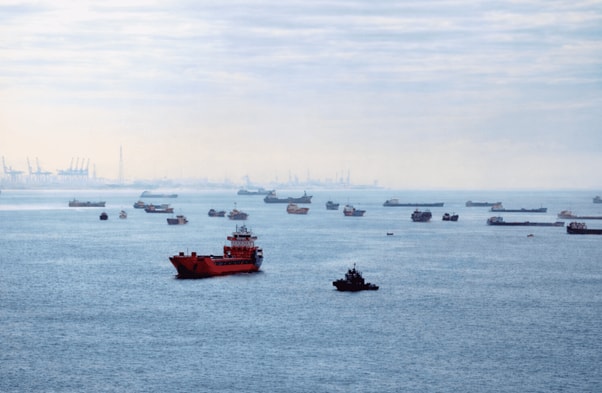
In Batam, congestion tends to intensify during peak trading periods, heightened offshore support activity, or when terminal resources are stretched. Under these conditions, even modest waiting periods can compound into higher total port costs, particularly for vessels operating under fixed schedules or contractual commitments.
Berthing Delays and Schedule Disruption
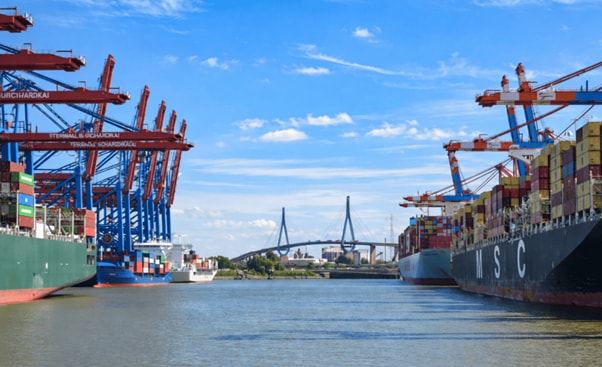
Delayed berthing remains one of the most immediate and visible consequences of port congestion. When vessels are required to wait for berth availability, operational costs continue to accrue while productive activity remains on hold. These delays rarely exist in isolation and often affect the sequencing of other port services.
Schedule disruption frequently leads to secondary cost exposure. Bunker consumption plans may need adjustment, crew rotations can be affected, and onward voyage commitments may require rescheduling. In Batam, where vessels often consolidate cargo operations, technical attendance, and offshore support within a single call, congestion increases the complexity of maintaining schedule discipline.
Terminal Productivity and Handling Costs
Congestion places additional strain on terminal productivity. High yard occupancy, equipment allocation challenges, and labour scheduling constraints can reduce handling efficiency during busy periods. Lower productivity often results in extended cargo operations, increasing time-based charges and overall port disbursements.
For ship owners, this creates cost variability that is difficult to forecast. Shipping costs increase not because tariffs change, but because congestion extends the duration of terminal services. Over time, repeated exposure to these conditions can significantly affect voyage economics.
Clearance Processes Under Congested Conditions
Customs and port clearance procedures are closely linked to traffic levels within the port. During congested periods, inspection schedules, document verification, and inter-agency coordination may take longer to complete, even when submissions are accurate and compliant.
In Batam, vessels frequently require coordinated clearance across cargo, crew, and technical activities. Congestion places added pressure on these processes, increasing the importance of early submission, document accuracy, and proactive follow-up to avoid extended waiting time and related costs.
The Impact on Supporting Marine Services
Port congestion also affects the availability and sequencing of supporting marine services. Pilotage, tug assistance, launch boat transfers, and supply deliveries may all be influenced by traffic density and service prioritisation.
Limited availability during peak periods can result in extended standby charges or revised service arrangements. These indirect cost increases often become apparent only after the port call is completed, reinforcing the importance of anticipating congestion-related constraints in advance.
Planning as a Cost Control Measure
While port congestion cannot always be avoided, its financial impact can be mitigated through proactive planning. Early coordination of arrival schedules, service requirements, and documentation allows vessels to navigate congested conditions with greater control.
In Batam, understanding congestion patterns, terminal behaviour, and service availability supports more accurate budgeting. When port calls are planned using realistic operational assumptions rather than ideal scenarios, cost exposure can be managed more effectively.
The Role of Local Coordination
Local coordination remains one of the most effective tools for managing congestion-related cost exposure. Close communication with port agents, terminal operators, and service providers allows adjustments to be made before delays escalate.
Early visibility of congestion conditions enables alternative sequencing, revised service timing, or operational adjustments to be considered. Ship owners benefit from informed local support that provides practical insight rather than reactive solutions.

Managing Congestion to Protect Cost Efficiency
Port congestion in Batam reflects the port’s expanding role within regional and international shipping networks. While congestion introduces operational pressure, its financial impact does not need to undermine commercial performance.
For ship owners and operators, effective congestion management focuses on understanding where costs originate and how they can be controlled. Through disciplined planning, accurate coordination, and strong local awareness, shipping costs can be managed more predictably, even during periods of heightened congestion.
BALANCIA SHIP AGENCY
HQ Address : Komplex Ruko Golden City Block C No.3A, Batam City, Indonesia 29432
www.balancia.co.id
Mobile Ph. : +628112929654
Office Ph. : +627784883769
References:
- Effective Strategies for Alleviating Port Congestion in Maritime Logistics. (2024, September 17). Retrieved from Logistics and Transportation Review: https://www.logisticstransportationreview.com/news/effective-strategies-for-alleviating-port-congestion-in-maritime-logistics-nwid-1103.html
- Lind, M. (2021, June). Improving a congested maritime supply chain with. Retrieved from Maritime Informatics: https://maritimeinformatics.org/wp-content/uploads/2021/06/Improving-a-congested-maritime-supply-chain-with-time-slot-management-for-port-calls_final.pdf