How Tanker Success Is Achieved Through Seamless Port Coordination
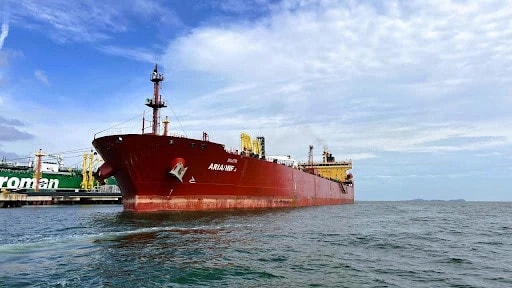
Tanker operations have always demanded precision, timing, and close cooperation among various maritime professionals. Behind every successful tanker voyage, a complex system of port coordination is quietly carried out to avoid delays, reduce costs, and maintain safety. This coordination is largely handled by ship agents, whose support remains essential for ensuring that tanker success is achieved consistently, even in high-traffic or regulated ports around the world.
Planning Before Tanker Arrival
Before a tanker reaches port, numerous preparations are required to guarantee smooth entry and turnaround. Information concerning the vessel’s size, cargo type, estimated time of arrival, and intended operations must be submitted to port authorities in advance. These tasks are not left to the ship’s master alone. Instead, they are coordinated by ship agents who act on behalf of owners, charterers, or operators.
By gathering required documents and communicating with local officials, ship agents enable advance clearance to be granted. This pre-arrival procedure prevents unnecessary anchorage delays and allows berthing schedules to be assigned promptly. Without this step, tanker success could be severely impacted by idle waiting time, higher port charges, or missed laycan windows.
Berthing Without Delays
When a tanker arrives at its destination port, berthing arrangements are not handled on the spot. Instead, pilots, tug services, mooring crews, and port control must be coordinated in advance to receive the vessel. Ship agents are responsible for synchronizing these services, ensuring that the tanker is guided safely to its assigned berth without conflict or confusion.
Additionally, draft restrictions, tidal conditions, and berth availability must be assessed and communicated. These technical requirements are not always obvious to vessel operators unfamiliar with local waters. By working closely with port authorities and terminal operators, ship agents make sure that the tanker’s dimensions and cargo plans match the berth’s specifications.
Tanker success relies on this smooth transition from anchorage to berth, where the real operation begins.
Managing Cargo Operations
Whether the tanker is discharging or loading cargo, the process must comply with local safety rules, equipment regulations, and environmental standards. Operations involving oil, gas, or chemicals demand particular vigilance. Ship agents play a key role in ensuring that proper loading arms or hoses are available, that terminals are prepared to receive or deliver cargo, and that the tanker’s crew is fully briefed on local protocols.
Many tanker operations are completed under tight timeframes, which means even a brief disruption can cause schedule changes affecting multiple stakeholders. Because local language barriers and time zone differences often exist, the presence of a reliable ship agent who understands the terminal’s routines and customs is invaluable.
In this way, ship agents contribute not only to compliance but also to the safety and punctuality of tanker operations, which are essential components of long-term tanker success.
Supporting the Crew
While tanker operations are mostly measured by cargo movement and turnaround times, the welfare of the crew onboard also plays a role in successful voyages. Crew changes, medical assistance, fresh provisions, and shore leave arrangements are all handled through the ship agent. These services must be planned without disrupting cargo operations or violating local immigration laws.
Additionally, when inspections or surveys are required by port state control, classification societies, or charterers, ship agents manage the appointments and ensure proper access to the vessel. Their coordination avoids unnecessary off-hire time or penalties.
By managing these human and administrative aspects quietly and efficiently, ship agents allow tanker operations to continue without distraction, contributing further to overall tanker success.
Final Clearance to Depart
Once cargo has been loaded or discharged, the tanker must obtain clearance for departure. This includes the settlement of port dues, submission of departure reports, and coordination with immigration, customs, and harbor master offices. These formalities are carried out by the ship agent, who ensures that all procedures are completed accurately and promptly.
Incorrect documentation or delayed clearance can cause significant losses. However, through proper coordination and local understanding, the ship agent prevents these issues and enables the vessel to sail on schedule. This final step marks the completion of a successful tanker operation, one that is only made possible through careful management from port arrival to departure.
Ship Agents Make It All Work
In ports across the world, the complexity of local regulations, language differences, and infrastructure variations can present major challenges to tanker operations. These challenges are reduced significantly when local ship agents are involved. Acting as the main point of contact between the vessel and the port community, ship agents serve as both advisors and problem-solvers.
Tanker success is not guaranteed by the ship alone. It is achieved through a network of dependable support, with ship agents positioned at the center of this system. Their ability to coordinate, anticipate, and resolve port-related issues has made them essential to the success of every tanker voyage.
Conclusion
Tanker operations represent a delicate balance of timing, safety, and efficiency. While much of the focus remains on the vessel and its cargo, true tanker success is shaped by the seamless port coordination carried out by experienced ship agents. Their involvement in every stage, from pre-arrival clearance to final departure documentation, ensures that tankers can operate globally with consistency and reliability. This silent partnership between ship and shore has made ship agents a cornerstone of successful tanker operations worldwide.
BALANCIA SHIP AGENCY
HQ Address : Komplex Ruko Golden City Block C No.3A, Batam City, Indonesia 29432
www.balancia.co.id
Mobile Ph. : +628112929654
Office Ph. : +627784883769
References:
- Dmitry. (2024, October 25). Who Is a Ship or Port Agent? Ship Agent Duties. Retrieved from Maritime Page: https://maritimepage.com/who-is-a-ship-or-port-agent-ship-agent-duties/
- Gibi. (n.d.). Safety Tips Before, During, & After Loading Operation on Tankers. Retrieved from Captains Mode: https://www.captainsmode.com/loading-operation-in-tanker/