

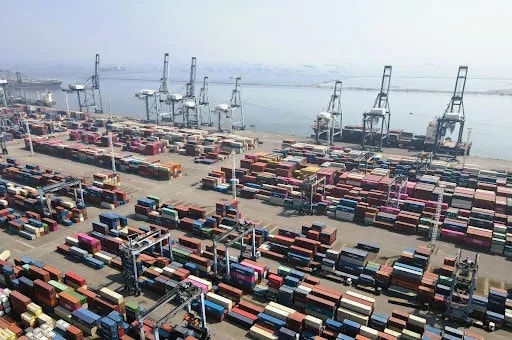
Reducing Carbon: Simple Ways Ports Can Cut Emissions
Ports are important places where ships load and unload goods for global trade. However, they can also cause pollution and harm the environment. Many ports now focus on sustainability to protect nature and reduce pollution. One main goal is reducing carbon emissions to improve air quality and make port operations more environmentally friendly.
Why Reducing Carbon Is Important for Ports
Ports use a lot of energy for their daily work. Ships, cranes, trucks, and other machines often run on diesel or other fossil fuels. These fuels release carbon dioxide (CO2) and other harmful gases into the air. Carbon emissions from ports contribute to air pollution and global warming. Because of this, ports are expected to adopt cleaner and greener ways to operate.
Environmental laws and regulations encourage ports to reduce their emissions. Also, customers and communities want ports to be responsible and safe for the environment. By focusing on sustainability, ports can protect public health, follow the rules, and save money through energy efficiency.
Using Renewable Energy in Port Services
One simple way ports reduce carbon is by using renewable energy sources like solar and wind power. Renewable energy comes from natural sources that do not run out and do not pollute the air.
For example, solar panels can be installed on port buildings, container yards, or floating platforms to capture sunlight. The electricity from these panels powers port equipment and lighting, which lowers the use of fossil fuels.
Wind turbines are also used in some ports, especially those near the coast where winds are strong and steady. These turbines produce clean electricity to support port activities.
By using renewable energy, ports can reduce the carbon emissions caused by traditional power sources. This change supports global efforts to protect the environment and promotes cleaner port services.
Onshore Power Supply Systems Help Reduce Carbon
Ships docked at ports often keep their engines running to generate electricity for their needs. This practice releases a lot of pollution into the air near port areas. To solve this problem, many ports offer onshore power supply systems, also called “cold ironing.”
With cold ironing, ships can connect to the port’s electrical grid and turn off their engines while docked. Electricity from the grid powers the ship’s systems, reducing the use of diesel engines and lowering carbon emissions. This practice also reduces noise and air pollution, making port areas healthier for workers and nearby residents.
Ports such as the Port of Gothenburg have successfully used cold ironing to cut thousands of tons of CO2 emissions each year. Providing this clean power service is an important eco-friendly practice in modern port operations.
Applying Circular Economy Principles in Port Services
Another effective way ports promote sustainability is by applying circular economy ideas in their daily work. The circular economy focuses on reducing waste, reusing materials, and recycling resources to avoid pollution and save energy.
Ports generate various wastes from ships and cargo handling. Advanced waste management systems help sort and recycle plastics, metals, and other materials, preventing unnecessary landfill waste.
Water used for cleaning and maintenance is often treated and reused through water reclamation systems. This saves freshwater and reduces pollution from wastewater discharge.
By applying these circular economy practices, ports lower their environmental impact and contribute to reducing carbon emissions. Ports like Antwerp and Singapore have shown how effective waste recycling and water reuse can be for greener port services.
Real Examples of Eco-Friendly Port Service Practices
Several ports worldwide have taken strong actions to become greener and reduce their carbon footprint. The Port of Rotterdam is a good example. It uses renewable energy like wind turbines and solar panels and invests in green hydrogen projects to replace fossil fuels.
The Port of Long Beach in the United States has moved towards using zero-emission equipment such as electric cranes and vehicles. This change helps lower emissions from heavy machinery used in cargo handling.
The Port of Yokohama in Japan applies eco-friendly dredging techniques to protect marine life while keeping waterways clean. It also uses solar energy to power terminals and supports sustainable port services.
These real cases show how different ports can adopt simple and practical measures to achieve sustainability goals.
Sustainability in Port Management
Port services today must balance operational needs with environmental protection. Sustainability is not just about reducing pollution but also ensuring the long-term economic and social health of communities around ports.
By adopting eco-friendly technologies and practices, ports protect natural resources, comply with international environmental standards, and improve their reputation. Sustainable ports also attract customers who care about the environment and want to support responsible businesses.
The transition towards greener port services requires collaboration among port authorities, shipping companies, local governments, and other stakeholders. Together, they can invest in cleaner technologies, improve waste management, and promote energy efficiency.
BALANCIA SHIP AGENCY
HQ Address : Komplex Ruko Golden City Block C No.3A, Batam City, Indonesia 29432
www.balancia.co.id
Mobile Ph. : +628112929654
Office Ph. : +627784883769

References:
- Buzinkay, M. (2023, May 15). Green Port Initiative Worldwide and how terminals contribute. Retrieved from Identec Solutions: https://www.identecsolutions.com/news/green-port-initiative-worldwide-and-how-terminals-contribute
- Sustainable Technologies and Green Ports. (n.d.). Retrieved from Maritime Education: https://maritimeducation.com/sustainable-technologies-and-green-ports/