What Really Ensures Chemical Cargo Safety on Tankers?
Every time a chemical tanker glides silently across the ocean, there is a story unfolding beneath its steel decks — a story of science, precision, and high-stakes risk management. At the heart of this story is chemical cargo safety, a complex system working tirelessly to keep dangerous cargo secure. You may never notice it, but behind that calm voyage lies meticulous planning and protocols designed to uphold the highest standards of chemical cargo safety.
So, what really keeps chemical cargo from turning into a disaster waiting to happen?
Why So Much Fuss Over Chemicals?
The simple answer is because they can be extremely dangerous. Chemical cargo has the potential to ignite fires, corrode entire ship systems, poison marine life, or even trigger chain reactions. These are not your average goods. They are often flammable, toxic, reactive, or corrosive, and sometimes, all of the above.
Just imagine moving something so volatile that even a small leak could cause widespread harm. Suddenly, all the extra safety layers make perfect sense.
What Kind of Chemicals Are We Talking About?
Hazardous chemicals come in many forms. Some are gases like chlorine, others are liquids like methanol or acids, and some are solids with explosive properties. Each chemical is classified according to the type of danger it presents. These classes determine how it should be stored, handled, and transported.
From explosives and flammable liquids to radioactive materials, each type demands specific precautions and protocols.
What Actually Keeps Them Safe?
Let’s walk through the key elements that make chemical cargo transport on tankers so effective.
The Tanker’s Inner Strength
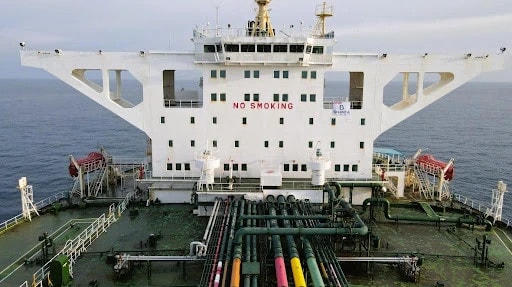
Chemical tankers are highly specialized vessels. The tanks inside are often lined with advanced coatings specifically chosen to resist corrosion and contamination. These coatings are essential in preventing the cargo from reacting with the tank itself or leaving behind residues that could mix dangerously with future loads.
Think of these tanks like armored safes for chemicals. Without the right coating, the integrity of the cargo and the ship itself could be at serious risk.
Separation Is Non-Negotiable
Inside the tanker, chemicals are never allowed to mix unless they are 100 percent compatible. This is one of the most fundamental safety rules. Some chemicals, when stored close to others, can cause violent reactions.
To avoid this, tanks are separated and sometimes even have their own dedicated piping and ventilation systems. This prevents even the slightest chance of cross-contamination.
Labels That Speak Loud and Clear
Every tank, container, and vessel involved in chemical transport is marked with highly visible labels and placards. These are not just for compliance. They provide critical information for workers and emergency responders.
In an emergency, knowing exactly what chemical is onboard and where it is located can save lives and reduce damage.
People Who Know What They’re Doing
Technology can do a lot, but it cannot replace the importance of well-trained personnel. Crews on chemical tankers receive specialized training. They must know how to recognize warning signs, use personal protective equipment, and follow precise emergency procedures.
This human expertise is often the final barrier between safe passage and catastrophe.
Maintenance That Never Slows Down
Before any voyage, the vessel undergoes detailed inspections. Everything from valves to seals, tank linings to fire suppression systems is checked thoroughly. Records are also reviewed to make sure that no incompatible substances are being loaded in succession.
Every detail matters, because even the smallest oversight can lead to major consequences at sea.
Global Rules Backed by Real Enforcement
The shipping of chemicals is governed by international systems like the MARPOL Convention, the International Maritime Dangerous Goods Code, and the Globally Harmonized System for labeling. These frameworks ensure that vessels across the world meet a shared safety standard.
Port authorities also carry out inspections and enforce local safety laws, adding an extra layer of accountability.
Always Ready for the Worst-Case Scenario
Chemical tankers must have emergency plans in place. These include fire suppression systems, spill containment tools, and trained response teams. Ships also carry detailed safety documents like Safety Data Sheets, which help responders make fast, informed decisions during an incident. Preparedness is the safety net that everyone hopes never gets used, but must always be there.
Why This Should Matter to You
Even if you never set foot on a chemical tanker, the products you use every day are likely made from or packaged with chemicals that traveled by sea. From paint and cleaning agents to fuels and fertilizers, this cargo touches many corners of modern life.
The safety of chemical transport isn’t just a shipping industry concern. It’s about protecting oceans, communities, and global supply chains.
BALANCIA SHIP AGENCY
HQ Address : Komplex Ruko Golden City Block C No.3A, Batam City, Indonesia 29432
www.balancia.co.id
Mobile Ph. : +628112929654
Office Ph. : +627784883769
References:
- CHEMICAL TANKER CARGO OPERATIONS & ASSOCIATED SAFETY PRECAUTIONS. (2023, March 26). Retrieved from Knowledge of Sea: https://knowledgeofsea.com/chemical-tanker-cargo-operations-associated-safety-precautions/
- Ebrahimi, J. (2024). Transport of Chemical Substances: A Comprehensive Guide. Retrieved from Visiwise: https://www.visiwise.co/blog/transport-chemical-substances/