Inspection and Maintenance in Crude Oil Tanker Operations
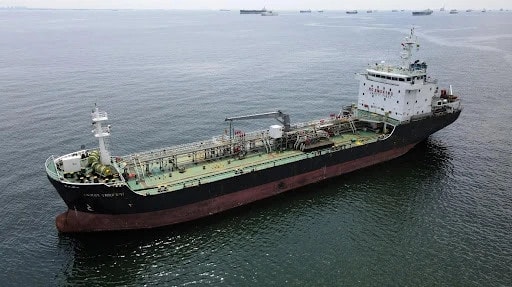
Safe and smooth crude oil tanker operations are very important. Inspection and maintenance routines play a key role in ensuring that these operations run efficiently. Because of this, many checks and procedures are carried out regularly to support the reliability of crude oil tanker operations. This helps protect the crew, the cargo, and the environment. Operations may become risky if equipment is not kept in good condition, so careful routines must always be performed.
Cargo Operations Equipment Inspection
Before a crude oil tanker enters port, its equipment is carefully inspected and maintained. The Chief Engineer and Chief Officer are both responsible for these routines. All equipment related to cargo operations, especially the inert gas system, alarm signals, valves, and pressure controls, is carefully reviewed. Oxygen analyzers, alarm signals, scrubbers, deck seal water tanks, pressure, vacuum valves, and regulators must be in proper condition. This guarantees everything is safely under control.
Checking this equipment helps avoid problems and makes sure operations can proceed without a hitch. This is especially crucial when the ship is under heavy stress during loading or discharging. Proper checks enable the crew to respond quickly if something goes wrong, keeping their operations smooth and incident-free.
Oxygen Meters and Cargo Tank Level Alarms Inspection
Every fixed or portable oxygen meter is calibrated and kept in a good condition. Filters, sensors, casings, flow indicators, and batteries are carefully inspected. This guarantees that the crew can rely on their equipment to show accurate information during operations.
The cargo tank level gauges and high level or overfill alarms are frequently calibrated and their functionality is carefully verified. All alarm signals should work properly to avoid overflows, spills, or other dangerous situations while loading or discharging crude oil.
Oil Discharge and Loading Operations Control System (ODMCS)
Every month, the Oil Discharge and Loading Operations Control System (ODMCS) is simulated and its functionality is carefully tested. This includes automatic valve operations and slop tank controls. Proper alarm signals, indicators, and controls must be kept in a reliable condition to avoid accidents or operational problems.
The main aim is to make sure the crew can respond safely if something goes wrong. All signals must be clear and trustworthy. This guarantees that discharging or loading operations can be performed safely and efficiently, without putting the crew, the ship, or the environment at risk.
Cargo Operations Hydraulics and Deck Machinery Inspection
Hydraulics for remotely controlled valves, mooring equipment, and deck machinery are thoroughly inspected. Fluid levels, pressures, and alarm signals are carefully reviewed to make sure everything is in a good condition. All components must be kept well-functioning to avoid problems during operations, especially during heavy lifting or mooring.
Checking this carefully helps make sure there are no weak points in the system. Proper maintenance guarantees the crew can work safely and efficiently, without the danger of equipment failure. This is especially important when the ship is under stress, for example, when it’s docking or discharging its cargo.
Cargo Handling Equipment Inspection
Before entering the first discharging port, checks are made to make sure all equipment is reliable. This includes alarm signals for pump rooms, delivery valves, pressure controls, emergency dampers, and delivery lines. Cargo lines are pressure-tested with cargo oil to make sure there are no weaknesses or leaks. Proper draining is performed afterwards.
All alarm signals related to high temperature, high pressure, or emergency shutdown must be functional. This guarantees a smooth transfer of cargo without problems. Proper routines help avoid many potential problems, keeping operations safe and under control.
Cargo Lines and Cargo Valves Inspection Before Entering Port
Before a ship reaches its discharging port, all cargo lines and valves are pressure-tested with cargo oil to make sure there are no weaknesses or leaks. This prevents problems upon delivery and guarantees a smooth transfer of cargo. All repairs or maintenance must be finished before proceeding.
Any defects or weaknesses must be carefully documented in a defect record. Repair orders are then issued and follow-up repairs made before further operations. This guarantees continued safety, reliability, and readiness for future operations, while honoring regulations and industry standards.
BALANCIA SHIP AGENCY
HQ Address : Komplex Ruko Golden City Block C No.3A, Batam City, Indonesia 29432
www.balancia.co.id
Mobile Ph. : +628112929654
Office Ph. : +627784883769
References:
- Singh, B. (2020, January 4). Tank Inspection On Ships: 9 Fundamental Conditions to Check. Retrieved from Marine Insight: https://www.marineinsight.com/guidelines/inspecting-tanks-onboard-ships/
- Tanker operation : Inspection Of Cargo Work Equipment And Machinery. (n.d.). Retrieved from Ship Business: http://shipsbusiness.com/tanker-equipment-and-machinery.html