How Contingency Planning Improves Crew Welfare in Batam-based Crew Change Operations
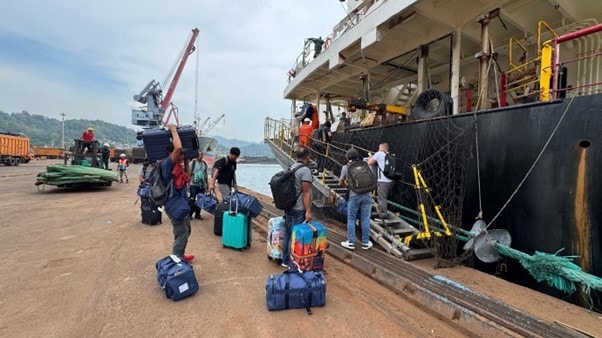
Smooth crew changes in Batam require robust contingency planning, especially given the city’s status as a key maritime hub near major shipping routes. This approach ensures that crew transitions are not disrupted by unexpected challenges, maintaining the safety of seafarers and the efficiency of vessel operations.
The Importance of Contingency Planning for Crew Changes
Contingency planning involves preparing for unexpected events that may interfere with planned operations. In crew change scheduling, these plans foresee challenges like weather disruptions, political unrest, or unexpected medical emergencies. Such situations can affect crew welfare by leading to unforeseen delays, prolonging working hours, and increasing stress levels among crew members. Contingency planning aims to uphold the health, safety, and welfare of the crew by anticipating potential disruptions.
In Batam, contingency planning involves recognising alternative ports for crew changes, arranging backup personnel, and planning rotations that account for possible delays. For instance, if a ship’s arrival in Batam is postponed because of adverse weather conditions, having an alternative plan allows the crew change to take place at a nearby port with little interruption. The ability to adapt is crucial in a city such as Batam, where changing weather patterns, seasonal events, and heavy port traffic can often disrupt schedules.
Addressing Common Disruptions with Contingency Planning
Various obstacles may emerge in Batam that impact crew changes. In the region, weather conditions like heavy rains, storms, or strong winds frequently occur, potentially delaying port access or rendering crew transfers unsafe. Political situations or unforeseen local regulations can also interfere with crew changes, particularly if new guidelines are introduced rapidly. Throughout the COVID-19 pandemic, restrictions on travel and crew disembarkation created notable challenges for crew changes, highlighting the importance of contingency measures.
Medical emergencies, whether involving individual crew members or a public health crisis, pose an additional challenge. In the event that a crew member requires urgent medical assistance, having a contingency plan in place facilitates swift communication with nearby medical facilities. Contingency planning thus plays a crucial role in safeguarding the well-being of crew members, ensuring they receive necessary care without significant delays. The disruptions highlight the importance of adaptable and responsive planning in the bustling port environment of Batam.
Ensuring Crew Welfare Through Flexible Rotations and Scheduling
One of the most important aspects of contingency planning is the ability to adjust crew rotations and schedules. In the event of delays, contingency plans may adjust rotation schedules to ensure that seafarers do not exceed their time on board. Prolonged work hours can affect the mental and physical health of crew members, resulting in fatigue, stress, and potentially reduced job performance.
In Batam, contingency plans frequently encompass arrangements for scenarios in which the crew may have to stay on board for an extended period beyond the original schedule. Extra food supplies and medical supplies are included in the arrangements of the plan. Efficient management of rotations allows for the timely replacement of crew members, guaranteeing they obtain the necessary rest and relaxation. This is especially advantageous in Batam, where numerous ships arrive and depart from the port each day, resulting in a dynamic atmosphere that necessitates precise scheduling and timely crew changes.
Utilising Alternative Ports to Facilitate Crew Change Operations
At times, Batam may face significant port congestion, potentially hindering crew changes due to delays in ship arrivals and departures. In these situations, a prepared contingency plan involves identifying alternative nearby ports, such as Singapore, for temporary crew change locations. Through collaboration with other ports, crew agencies can reduce the effects of congestion on crew welfare.
Alternative ports also serve a purpose when particular political or environmental circumstances impact Batam. For example, if a regional health advisory limits access to Batam port, pre-established agreements with nearby ports enable the crew to safely disembark at an alternative location. This approach allows crew members to continue their journey home or begin their next assignment with minimal delays. Keeping access to alternative ports is essential for prioritising crew welfare, especially when Batam faces unexpected challenges.
Improving Communication and Collaboration with Port Authorities
Effective contingency planning also requires strong communication with Batam’s port authorities and local agencies. Effective and ongoing communication allows ship agencies and port authorities to swiftly adapt to changes in regulations, weather conditions, or emergencies. Timely information allows for real-time adjustments to crew change plans, aiding in the prevention of last-minute issues that may impact the crew.
In an unforeseen circumstance, like an abrupt weather occurrence, it is crucial to communicate with port authorities to guarantee the crew’s safe disembarkation. Port authorities are able to offer updates regarding the safety of proceeding with a crew change, and they can also help in organising alternative transportation options if needed. In instances where regular transport services are hindered by severe weather conditions, Batam’s port authority may collaborate with agencies to facilitate emergency transport, thereby ensuring the welfare of the crew is upheld.
Furthermore, maintaining continuous communication with immigration and customs officials in Batam is crucial to guarantee that the required permits are secured promptly for each crew change. This reduces administrative delays and facilitates crew members’ smooth transition through disembarkation and embarkation processes, enhancing their overall welfare.
Protecting the Health and Well-Being of the Crew
In Batam, contingency planning includes measures to safeguard the health and well-being of the crew. Health measures, particularly during periods of public health concerns, are integrated into crew change operations. During the COVID-19 pandemic, contingency plans encompassed regular health screenings, the provision of additional medical supplies, and strict adherence to health protocols for disembarking crew members. These measures were crucial for guaranteeing that crew members could return home safely and evade unnecessary quarantine or health risks.
Additionally, contingency planning considers other facets of well-being, including the provision of mental health support for crew members experiencing prolonged service durations. By preparing for these situations, agencies in Batam guarantee that crew members obtain essential support, reducing stress and preserving their morale.
In summary contingency planning plays a crucial role in safeguarding crew members and sustaining operational efficiency by addressing unforeseen disruptions, including weather events, medical emergencies, and port congestion. Flexible scheduling, alternative ports, and effective communication are essential components in developing a strong contingency plan that can adjust to any circumstance. In Batam’s dynamic port environment, where local and global influences can affect operations, these preparations are needed for ensuring a seamless and secure transition of crew members from sea to shore. By implementing thorough contingency planning, the welfare of the crew is prioritised, ensuring the mental and physical well-being of those who work at sea.
References :
- IMO issues its latest version of crew change protocols. (2021, May 5). Retrieved from Safety4Sea: https://safety4sea.com/imo-issues-its-latest-version-of-crew-change-protocols/
- Intertanko Crew Change Management Plan. (2020). Retrieved from IMO: https://wwwcdn.imo.org/localresources/en/MediaCentre/HotTopics/Documents/INTERTANKO%202020_Covid_crew_Change_2_lo_res.pdf