Port Congestion in Indonesian Ports: Strategies for Minimizing Impact on Shipping Schedules
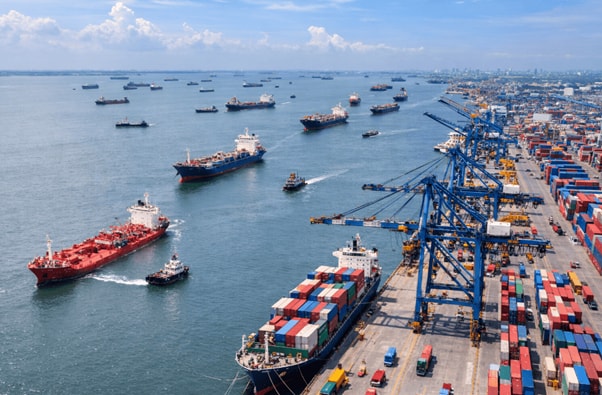
Port congestion has become a pressing challenge for global trade, and its impact is particularly visible in indonesian ports. With rising cargo volumes and limited infrastructure, shipping schedules often face delays that disrupt supply chains. Addressing port congestion requires strategic planning and collaboration among stakeholders.
Identifying the Causes of Port Congestion
Congestion in Indonesian ports can develop from several operational factors that influence how efficiently cargo operations are completed. High cargo volumes arriving within a short period, limited berth availability, and terminal yard capacity can all affect the speed of vessel handling.
In many situations, delays are also influenced by administrative processes and coordination between multiple stakeholders. Cargo documentation procedures, customs clearance timelines, terminal handling arrangements, and land transportation availability all influence how quickly cargo moves through the port system.
When these elements are not properly aligned, vessel turnaround time may extend beyond the planned schedule. Delays in cargo readiness or terminal availability may also increase waiting time at anchorage and create additional operational costs.
Monitoring Port Conditions Before Arrival
Monitoring port conditions before arrival is one of the most effective strategies for managing port congestion in Indonesian ports. Ship agencies coordinate with port authorities, terminals, and local stakeholders to obtain updated operational information before the vessel approaches port limits.
Information regarding berth availability, terminal workload, vessel traffic, and cargo readiness helps provide a clearer operational picture. Based on this information, adjustments to arrival timing or operational planning may sometimes be arranged to reduce waiting time.
When your vessel approaches a port experiencing heavy traffic, advance coordination through the ship agency allows arrival planning to be based on current port conditions rather than assumptions.
Ensuring Cargo Readiness Before Berthing
Cargo readiness remains one of the most important factors influencing vessel turnaround time. Even when a berth is available, cargo operations may be delayed if documentation procedures or customs clearance have not been completed.
Ship agencies assist by coordinating communication between cargo stakeholders, terminals, and customs authorities prior to the vessel’s arrival. This coordination helps ensure that documentation requirements are completed and cargo is prepared for handling once the vessel is alongside.
For vessels calling at busy ports, proper preparation of cargo documentation significantly reduces idle time during loading or discharge operations and supports a more predictable operational schedule.
Adjusting Cargo Operations During Congestion
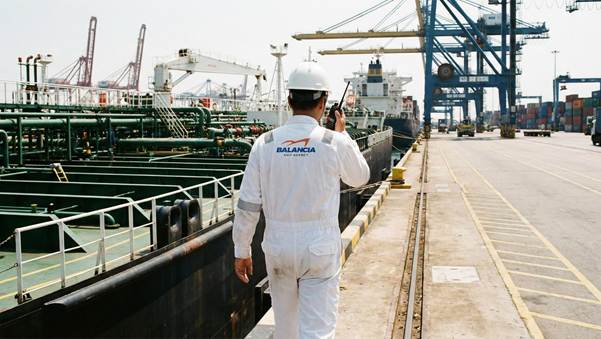
Operational flexibility can also help reduce the impact of congestion on vessel schedules. When delays occur, cargo handling plans may be adjusted so that terminal productivity can continue.
For example, loading or discharge sequences may be reorganized based on cargo that is already available within the terminal yard. Crane operations can therefore continue while other cargo units complete documentation procedures or final preparation.
Ship agencies coordinate these adjustments with terminal operators and vessel representatives so that cargo operations can continue progressing even when congestion affects normal operating conditions.
Coordinating with Port Authorities During Busy Operations
Changes in port traffic conditions can occur quickly, particularly in high-volume ports. Continuous coordination with port authorities and terminal operators therefore becomes essential during the vessel’s port call.
Ship agencies act as the operational link between the vessel and the various authorities involved in port operations. Updates regarding berth movements, terminal workload, and cargo handling progress can be communicated quickly, allowing operational adjustments to be arranged when necessary.
When your vessel operates in ports experiencing congestion, this coordination helps ensure that operational decisions can be made based on the latest information available.
Protecting Shipping Schedules and Managing Operational Costs
Port congestion can affect not only the current port call but also the vessel’s overall voyage schedule. Delays at one port may influence subsequent port calls, increasing operational pressure and potentially creating additional costs.
Through early monitoring of port conditions, advance preparation of cargo documentation, operational flexibility, and continuous coordination with port authorities, the impact of congestion can be reduced.
Ship agencies support this process by coordinating communication between the vessel, terminals, and maritime authorities. With structured operational coordination, port congestion in Indonesian ports can be managed more effectively, helping protect vessel schedules while limiting unnecessary delays and additional operational costs.
BALANCIA SHIP AGENCY
HQ Address : Komplex Ruko Golden City Block C No.3A, Batam City, Indonesia 29432
www.balancia.co.id
Mobile Ph. : +628112929654
Office Ph. : +627784883769
References:
- Effective Strategies for Alleviating Port Congestion in Maritime Logistics. (2024, September 17). Retrieved from Logistics and Transportation Review: https://www.logisticstransportationreview.com/news/effective-strategies-for-alleviating-port-congestion-in-maritime-logistics-nwid-1103.html
- Lind, M. (2021, June). Improving a congested maritime supply chain with. Retrieved from Maritime Informatics: https://maritimeinformatics.org/wp-content/uploads/2021/06/Improving-a-congested-maritime-supply-chain-with-time-slot-management-for-port-calls_final.pdf