

A Brief History of Ship Endurance : From Sail to Modern Engine
The ship endurance has always been shaped by technological progress. From the earliest sailing vessels to today’s powerful engine-driven ships, maritime advancements have allowed vessels to travel farther, operate more efficiently, and withstand the challenges of long voyages. A crucial part of ensuring a ship’s endurance is dry docking, a maintenance process that has supported seafaring for centuries. As ships evolved, so did the methods used to keep them in peak condition, ensuring they could navigate the open seas for extended periods.
The Age of Sail: Harnessing the Power of the Wind
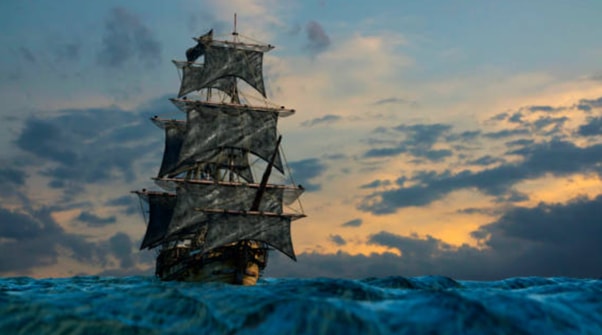
In ancient times, ships depended entirely on the wind. Early sailing vessels were simple, often equipped with square sails that worked best when the wind was behind them. As maritime exploration expanded, sailors sought ways to improve their ships’ performance. The introduction of the lateen sail, a triangular sail that allowed vessels to sail against the wind, was a major breakthrough. This innovation, first used by the Phoenicians and Egyptians, gave ships greater maneuverability, enabling longer and more ambitious voyages.
The development of three-masted ships, such as the famous “ship of the line,” marked another significant step in maritime history. These vessels could carry more sails, harnessing greater wind power and increasing both speed and stability. However, the endurance of these wooden ships depended on regular maintenance. Exposure to seawater led to hull damage, and over time, ships became slower and less efficient. To maintain performance, ships were routinely pulled ashore or placed in dry docks for repairs, a practice that laid the foundation for modern dry docking procedures.
While improvements in rigging and sail design allowed ships to move faster and more efficiently, navigation remained a challenge. Early sailors relied on celestial navigation, using the position of the stars and sun to determine their location. However, this method was unreliable during bad weather or long ocean crossings. The invention of the magnetic compass changed everything. With a reliable way to determine direction, sailors could venture further from the coast and plan more ambitious voyages.
Other navigational tools, such as the astrolabe and sextant, helped sailors measure latitude and estimate their position at sea. These innovations made long-distance trade and exploration more feasible, but they also demanded stronger, more durable ships. Wooden hulls required frequent maintenance, and shipbuilders had to ensure vessels could withstand the stresses of long voyages. Dry docking became essential for cleaning, repairing, and reinforcing ships, preventing leaks, and extending their operational life.
The Steam Engine Revolution: A New Era of Endurance
The 19th century brought a major turning point with the arrival of steam-powered ships. Unlike sailing vessels, which depended on the wind, steamships could operate in any weather, following fixed schedules and covering greater distances. This transition revolutionized global trade and naval operations, making sea transport faster and more reliable.
However, steam power introduced new challenges. Unlike wooden sailing ships, which mainly needed hull maintenance, steamships required regular mechanical servicing. Their boilers, engines, and propellers had to be inspected frequently to prevent breakdowns. Dry docking played an even more critical role, allowing engineers to clean out machinery, remove marine growth from the hull, and apply protective coatings to prevent rust. This period marked the beginning of modern ship maintenance practices, ensuring that vessels could endure the demands of steam-powered travel.
The Modern Era: Stronger Ships and Smarter Technology
The 20th and 21st centuries have seen incredible advancements in ship endurance. The use of steel hulls replaced wooden construction, making ships more durable and resistant to damage. The introduction of diesel engines and nuclear propulsion further improved efficiency, allowing ships to travel longer distances with fewer fuel constraints.
At the same time, navigation technology has transformed how ships operate. GPS (Global Positioning System) now provides precise real-time location tracking, allowing captains to optimize routes and avoid dangerous weather conditions. Modern ships also rely on advanced weather forecasting systems, which help prevent accidents and reduce fuel consumption.
Despite these advancements, dry docking remains as important as ever. Ships still require regular inspections to maintain their efficiency and safety. Key maintenance activities include:
- Hull cleaning and repainting to prevent marine growth and reduce fuel consumption.
- Mechanical checks to ensure engines, propellers, and other components are functioning properly.
- Structural inspections to detect and repair any signs of wear, corrosion, or damage.
These procedures help extend the lifespan of modern ships, allowing them to operate safely and efficiently for decades.
The Role of Dry Docking in Ship Endurance
Throughout history, one thing has remained constant: the need for ship maintenance. Whether in ancient times, during the steam era, or in today’s high-tech maritime industry, dry docking has been essential to ship endurance. Without regular maintenance, even the most advanced vessels would suffer from wear and tear, leading to reduced efficiency, increased fuel costs, and potential safety risks.
Dry docking ensures that ships can continue to perform at their best, whether they are transporting cargo across oceans, exploring new frontiers, or supporting global trade. As technology continues to advance, the combination of innovative engineering and routine maintenance will remain key to the endurance of ships in the future.
Conclusion
The story of ship endurance is one of continuous innovation. From the early days of sail-powered exploration to the modern era of high-tech navigation and powerful engines, maritime technology has evolved to meet the demands of global trade and travel. However, no matter how advanced ships become, dry docking remains a fundamental part of maintaining their endurance. By ensuring ships are regularly inspected, repaired, and optimized, the maritime industry can continue to push the boundaries of what is possible, keeping vessels sailing strong for generations to come.
References:
- Unraveling the History of Sailing: From Ancient Times to Modern Races. (n.d.). Retrieved from The Sports Reviewer: https://thesportsreviewer.com/unraveling-the-history-of-sailing-from-ancient-times-to-modern-races/
- Ward, C. (2022, January 4). Sail to Steam: A Timeline of the Development of Maritime Steam Power. Retrieved from History Hit: https://www.historyhit.com/a-timeline-of-the-development-of-maritime-steam-power/