Crew Change Planning for February Route Challenges
February represents a decisive period for crew change planning across global trade routes. Seasonal pressures, tighter regulatory scrutiny, and shifting port dynamics combine to expose weaknesses in preparation and execution. For shipping leaders, this month often distinguishes organizations that manage crew change through disciplined planning from those relying on reactive coordination. When handled with foresight, crew change during February protects operational continuity while reinforcing a genuine commitment to crew welfare, which remains a defining measure of professional maritime management.
February Route Pressures and Operational Exposure
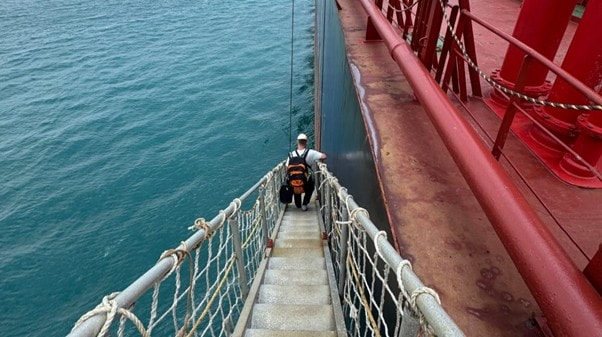
Seasonal patterns continue influencing vessel movements well into February. Northern hemisphere winter conditions, variable sea states across Asian routes, and reduced operational flexibility at several ports create tighter margins for crew transfer activities. Under such conditions, even minor misalignment between vessel schedules and shore arrangements can place unnecessary strain on onboard personnel.
Operational exposure increases when crew change planning is deferred too close to execution. February highlights the importance of advance scenario mapping, allowing adjustments to be made before constraints begin impacting crew rotation cycles. Organizations that prepare for these pressures early retain greater control over outcomes and maintain stronger operational predictability.
Port Selection as a Strategic Decision
Port selection during February cannot be driven by convenience alone. Transit accessibility, immigration efficiency, and port authority coordination all carry increased weight during this period. Ports supported by experienced local agencies offer measurable advantages through familiarity with evolving clearance procedures and established communication channels.
Strategic port selection enables smoother crew transitions while limiting extended onboard service periods. Crew welfare benefits directly when embarkation and repatriation points are chosen with reliability rather than short-term savings as the primary consideration. Executive oversight ensures these decisions align with broader operational standards.

Immigration Compliance and Documentation Discipline
February frequently coincides with reinforced compliance practices across immigration authorities worldwide. Documentation accuracy becomes non-negotiable. Passport validity, visa categorization, medical certification, and contractual consistency must align precisely with port and national requirements.
A disciplined documentation process reflects leadership maturity. Early verification cycles and centralized coordination reduce friction during execution. Such preparation protects crew welfare by preventing prolonged uncertainty and preserves vessel schedules through predictable clearance outcomes.
Crew Welfare as an Operational Priority
Crew welfare is a direct contributor to safety, performance, and long-term retention. February crew change planning must account for the cumulative impact of extended service periods, uncertain travel conditions, and compressed transition timelines.
Predictable rotation schedules, transparent communication, and well-coordinated travel arrangements strengthen confidence among seafarers. When crew members experience consistency and professionalism throughout the crew change process, onboard performance improves naturally and operational stability is reinforced.
Stakeholder Alignment and Executive Visibility
Crew change execution depends on precise alignment among technical managers, crewing teams, port authorities, airlines, and ship agents. February conditions amplify the consequences of fragmented communication.
Executive-level visibility into crew change planning ensures alignment across all parties. Regular status reviews, early escalation protocols, and clearly defined responsibilities reduce uncertainty and sustain momentum across complex operations.
Health Preparedness and Medical Readiness
Health considerations continue shaping global crew mobility. February often brings heightened attention to seasonal illness trends and region-specific screening requirements. Medical certificate validity and vaccination compliance must remain continuously monitored.
Prepared organizations integrate health readiness into crew change planning rather than treating it as a final checkpoint. Crew welfare is strengthened when medical compliance is managed systematically and proactively.
The Advantage of Local Expertise
Local ship agents provide operational clarity during February crew change planning. Their understanding of port behavior, authority expectations, and airport congestion patterns offers decision makers practical intelligence that supports timely execution.
Organizations that rely on strong local representation gain resilience during periods of operational pressure. Crew welfare is reinforced when local expertise allows transitions to proceed smoothly despite changing external conditions.

Building Sustainable Crew Change Systems
February offers a clear opportunity to evaluate the sustainability of crew change practices. Lessons drawn during this period often shape planning standards for the months ahead. Structured workflows, digital documentation control, and long-term port partnerships elevate crew change into a strategic capability.
Sustainable systems recognize that crew welfare and operational reliability are inseparable. Leadership attention to crew change planning reflects a broader commitment to consistent and accountable vessel management.
Closing Perspective and Call to Action
February crew change planning demands leadership, discipline, and strategic intent. Organizations that prepare early, coordinate decisively, and prioritize crew welfare navigate seasonal challenges with confidence. Those that postpone preparation expose both crews and operations to unnecessary pressure.
Balancia Ship Agency supports shipowners, operators, and technical managers with structured crew change solutions across Indonesia and key regional hubs. Through local expertise, regulatory clarity, and people-focused execution, Balancia delivers crew change planning that performs under pressure. For organizations seeking certainty during February route challenges, partnering with Balancia ensures crew transitions are handled with professionalism and control.
BALANCIA SHIP AGENCY
HQ Address : Komplex Ruko Golden City Block C No.3A, Batam City, Indonesia 29432
www.balancia.co.id
Mobile Ph. : +628112929654
Office Ph. : +627784883769
References:
- How Does Maritime Crew Change Work? (n.d.). Retrieved from Seaharbor Group: https://seaharbor-group.com/how-does-maritime-crew-change-work/
- Marine Transfer of Personnel. (2018, August). Retrieved from Marine Safety Forum: https://www.marinesafetyforum.org/wp-content/uploads/2018/08/Marine-Transfer-of-Personnel-Guidelines.pdf